
Final Results for the Year Ended 31 December 2025
Summary by AI BETAClose X

|
Metals Exploration |
|
|
3rd Floor, |
|
|
22a St James Square, London, SW1Y 4JH |
|
|
Email: info@metalsexploration.com |

22 May 2026
METALS EXPLORATION PLC
Final Results for the Year Ended 31 December 2025
Metals Exploration plc (AIM: MTL) (the "Company" or the "Group"), a gold production, exploration and development company with assets in the Philippines and Nicaragua, announces its final audited results for the year ended 31 December 2025 ("FY2025" or the "Period").
The financial information set out in this announcement does not comprise the Group's statutory accounts for the years ended 31 December 2025 or 31 December 2024. The financial information has been extracted from the statutory accounts of the Group and the Company for the years ended 31 December 2025 and 31 December 2024. The auditors reported on those accounts; the 31 December 2025 and 31 December 2024 reports were unqualified and did not contain a reference to any matters to which the auditors drew attention by way of emphasis without qualifying their report and did not contain a statement under either Section 498 (2) or Section 498 (3) of the Companies Act 2006. The statutory accounts for the year ended 31 December 2024 have been delivered to the Registrar of Companies, whereas those for the year ended 31 December 2025 will be delivered to the Registrar of Companies following the Company's annual general meeting.
To access a full version of the 2025 annual report, please go to the Company website investor centre webpage: https://metalsexploration.com/investors/results-and-reports/
ABOUT METALS EXPLORATION
GOLD PRODUCER, EXPLORER AND DEVELOPER
Metals Exploration plc ("Metals Exploration", "MTL", the "Company", or the "Group") is a gold production, exploration and development company with assets in the Philippines and Nicaragua. In the Philippines it operates the Runruno gold mine located 250 kilometres north of Manila in the mineral rich Nueva Viscaya province, on Luzon island. In Nicaragua, the Company is developing the La India gold project, a two-hour drive north of Managua, the capital city. Further, the Group has a portfolio of exploration projects in both the Philippines and Nicaragua.
GROUP VISION & MISSION STATEMENT
The Group's vision is to be the most admired mining company in the Philippines and Nicaragua. Our mission is to enhance the lives of our people and local communities through the responsible management of our natural resources, to build a multi-project business and to deliver performance that stakeholders are proud of.
Well-defined values embedded into the business processes and structures, along with consistent leadership actions and behaviours, provide the foundation for corporate culture and its subsequent success. As a responsible mining company, we ensure that our Group's core values reverberate across all aspects of our business and represent the way we do business.
GROUP VALUES
The core corporate values of the Group, as identified by our employees are:
|
Prevent Harm Act Honestly Seek Excellence Acknowledge Success
|
Care and Respect Be Accountable Innovate Be Fearless |
GROUP GOLDEN RULES OF SAFETY
At all Group locations the following Golden Rules of Safety are in place and reinforced regularly:
· 1 - FIT FOR DUTY
Do not carry out a task under the influence of alcohol and drugs and unless fit and able for duty
· 2 - MOBILE EQUIPMENT
Do not operate mobile equipment without being trained and authorised
· 3 - WORKING AT HEIGHT
Never work over 1.8 meters without being trained and certified
· 4 - ISOLATION
All equipment shall be isolated correctly with lock and tag before being worked on
· 5 - SAFETY DEVICES
Do not disable any safety protection system or safety devices
· 6 - LIFTING OPERATIONS
Never place any part of your body under a suspended load
· 7 - CONFINED SPACES
Do not enter a confined space unless trained and authorised
· 8 - EXPLOSIVES
Never handle explosives unless authorised
OPERATION AND FINANCIAL HIGHLIGHTS
|
FY2025 |
FY2024 |
CHANGE |
|
GOLD PRODUCTION (ounces) |
||
|
65,287 oz |
83,897 oz |
Down 22.2% |
|
|
|
|
|
AVERAGE GOLD RECOVERY (% of head grade) |
|
|
|
88.4% |
90.5% |
Down 2.3% |
|
|
|
|
|
LOST TIME INJURIES |
|
|
|
1 |
Nil |
Up 1 |
|
|
|
|
|
SALES REVENUE (US$ millions) |
|
|
|
$208.4 |
$191.1 |
Up 9.1% |
|
|
|
|
|
OPERATING PROFIT (US$ millions) |
|
|
|
$61.6 |
$53.5 |
Up 15.1% |
|
|
|
|
|
ADJUSTED EBITDA (US$ millions) (EBITDA less other non-cash expenses - refer page 9) |
|
|
|
$125.9 |
$98.7 |
Up 27.6% |
|
|
|
|
|
FREE CASH GENERATED FROM OPERATIONS (US$ millions) |
|
|
|
$115.3 |
$96.7 |
Up 19.2% |
|
|
|
|
|
NET DEBT (US$ millions) |
|
|
|
$Nil |
$6.8 |
Down 100% |
|
|
|
|
|
LA INDIA GOLD PROJECT CONSTRUCTION (% completion) |
|
|
|
33% |
- |
N/a |
|
|
|
|
|
LA INDIA GOLD PROJECT CONSTRUCTION EXPENDITURE (US$ millions) |
|
|
|
$72.6 |
- |
N/a |
|
|
|
|
|
TOTAL PHILIPPINE GOVERNMENT TAXES & FEES (US$ millions) |
|
|
|
$22.4 |
$19.8 |
Up 13% |
|
|
|
|
|
TOTAL PHILIPPINE COMMUNITY PROGRAMME EXPENDITURE (US$ millions) |
|
|
|
$2.0 |
$1.9 |
Up 5% |
CHAIRMAN'S STATEMENT
Dear Shareholder,
The year ended 31 December 2025 represented a period of significant strategic progress for Metals Exploration, during which the Board remained focused on the continuation of strong cashflow generation from Runruno, and the fast-tracked construction and development of the La India gold project in Nicaragua.
Operations
In FY2025, the Group achieved its strongest financial performance in history, with record gold revenue of US$208.4 million, resulting in record positive free cashflow of US$115.3 million. This performance was supported by the continued robust operational performance at Runruno, as well as the favourable gold price environment.
Production from Runruno was at the lower end of the revised FY2025 lower guidance, at 65,287 ounces. The reduction came as a result of production delays caused by a BIOX cyanide contamination issue during Q3 2025, and the impact of Super-typhoon Uwan in Q4 2025. Mining operations at Runruno are expected to be completed during H2 2026, with processing operations set to conclude at the end of FY2026.
In order to replace the cashflow generated by Runruno and continue the Group's growth trajectory, in January 2025, Metals Exploration completed the acquisition of Condor Gold plc ("Condor") and its 587 square kilometres ("km2") concession package in Nicaragua. Condor held key assets in the La India Gold Mining District, including the La India gold project. The rationale behind the acquisition was La India's attractive project economics and construction-ready status, providing the Group with a low capex-intensity, high-grade asset with proven scale and expected gold production of over 100,000 ounces per annum.
Following the completion of the acquisition, the Group's major priority during the Period was advancing the construction and development of La India ahead of first production, targeted for December 2026. The Group achieved significant progress in this domain during FY2025, across management, permitting, construction, and operational readiness, with project development at 33% complete at year-end, slightly ahead of schedule and within budget.
Noteworthy developments during the Period include the establishment of a strong in‑country leadership team through the recruitment of key Spanish‑speaking executives. Constructive relationships have also been built with government authorities and local communities, including the conclusion of an agreement on the process and compensation for the relocation of artisanal miners from the project area. Major capital items have been secured with the purchase of a fit‑for‑purpose gold processing and concentrating plant, and the project's growth potential has been strengthened by upgrading the plant design throughput from 1.4 million tonnes per annum ("mtpa") to 1.8 mtpa. On the ground, development has advanced well. Bulk earthworks for the processing plant are now complete, the run-of-mine ("ROM") pad is finished and first ore has been stockpiled. Additionally, the construction of key infrastructure is progressing ahead of schedule, with camp and accommodation buildings already operational.
Development of the La India project has continued to progress post-Period end, with construction now approximately 50% complete and tracking ahead of schedule. Core activities, including bulk earthworks, process plant foundations and site infrastructure, are all progressing well. Key milestones achieved include the award of major installation contracts, commencement of tailings storage facility construction, and ongoing works on the 138-kilovolt substation in partnership with ENATREL, Nicaragua's national electricity transmission company. The Group also secured a 25‑year renewal of the main mining concession, effective from January 2027.
To date, construction and development of La India has been entirely funded by free cash flow generated from Runruno, and this is expected to continue until first production. However, to avoid any delays to development or working capital constraints as a result of the timing of cash flows generated from Runruno, the Group has secured an undrawn US$30 million gold pre-pay facility.
Exploration
In tandem with construction activities at La India, the Group has conducted exploration work to delineate the upside potential that the project provides. To date, the Group has completed over 16,000 metres of drilling, with the focus on step-out drilling from planned mining areas and exploration drilling at the Cacao deposit. Currently, two drill rigs are operating at the La India Project, with one rig dedicated to extension drilling adjacent to the planned mining areas and the other dedicated to exploration at high priority targets.
Post-Period end in April 2026, the Group was granted four additional highly prospective exploration concessions adjacent to the La India Project, covering a combined area of 64,400 hectares. Within these concessions, four high priority targets have been identified.
The Group continued to progress its exploration projects in the Philippines during FY2025. At Dupax, following the grant of the exploration licence in August 2025, initial geophysical surveys and limited drilling were undertaken. The Group has concluded that an economic resource would not be able to be defined in time to support the conversion of the Runruno process plant to process Dupax ore. Consequently, no further short-term exploration at Dupax is planned and alternative options for repurposing the Runruno plant are being evaluated. At the Abra project, drilling was deferred during FY2025 pending completion of mandated consultations with local indigenous communities. These discussions are continuing, and the Group is targeting commencement of an initial drill programme in the later part of 2026.
Health, Safety and Sustainability
Maintaining a safe working environment remains a key focus for Metals Exploration. After more than eight years without a lost-time injury ("LTI"), an incident at Runruno on 30 March 2025 resulted in an employee sustaining burns and requiring hospital treatment. The employee has since returned to work following a full recovery, and the Group has not experienced any further LTIs since that date.
The Group also maintains its strong commitment to transparency and sustainability, publishing an annual sustainability report, currently focused on its Philippine operations. In April 2026, the Group released its 2025 sustainability report prepared in accordance with the Global Reporting Initiative (GRI) Standards, providing stakeholders with a comprehensive overview of sustainability performance, governance practices, and climate-related risks. While this level of reporting is not yet applicable to the La India project in Nicaragua, given that construction is ongoing, the Group intends to implement appropriate protocols to ensure comparable sustainability reporting once commercial production begins.
Outlook
FY2025 marked an excellent year for the Group, both in terms of cashflow generation from Runruno, and the successful acquisition of, and construction and development progress made at, La India. The Group entered 2026 debt free, with significant cash in the bank from operations at Runruno, and a clear path to production at La India, set for December 2026.
The Group has revised its FY2026 gold production guidance for Runruno to 40,000 - 48,000 ounces, reflecting BIOX circuit disruption from ore toxicity in Stages 5 and 6, a geological model downgrade following grade control drilling, and the impact of historical illegal small scale mining activity on recoverable ounces. Despite these challenges and the reduction in production, the Company expects to generate similar free cash flow during FY2026 to that generated during FY2025 to continue to fund the development of La India.
The Board eagerly anticipates the commencement of gold production at La India and looks forward to development updates throughout the course of FY2026, ahead of the first gold pour in December 2026.
In addition, the Group will continue to undertake exploration activities across its portfolio in the Philippines and Nicaragua and will continue to evaluate further growth and M&A opportunities.
On behalf of the Board, I would like to thank the management team and our teams in the Philippines and Nicaragua for their hard work in FY2025. I would also like to thank our stakeholders and shareholders for their continued support. We look forward to seeing the Group's success continue in FY2026.
Steven Smith
Non-Executive Chairman 
21 May 2026
CHIEF EXECUTIVE OFFICER'S STRATEGIC REPORT
Metals Exploration is pleased to report on another excellent year with record gold sales revenue and notable progress having been made in the construction and development of the La India gold project in Nicaragua. Gold production for the year was at the lower end of the revised annual gold production guidance at 65,287 ounces. Gold production in H2 2025 was impacted by the cyanide contamination of the BIOX circuit in Q3 2025 and the power loss due to damage from Super-typhoon Uwan in Q4 2025.
Of great significance was the acquisition of 100% of Condor Gold plc and its Nicaraguan gold assets (which completed in January 2025), being the Company's first acquisition outside of the Philippines. This acquisition is the first step in transforming the Group into a multi-project company. The Group's continued robust business fundamentals will provide a strong platform from which to advance the development of the Nicaraguan gold assets with the aim to have the La India project pour its first gold doré prior to the end of gold production from the Runruno mining licence area. Since year-end the Group has expanded and strengthen its foothold in Nicaragua with both the renewal of the main La India mining concession and the award of four new La India adjacent concessions.
Most importantly, the Group continues to create a net-positive impact for its stakeholders and local communities. Our environmental, sustainability and social programmes continue to be of a very high standard, ensuring the Company continues to be accountable, transparent, and responsible in its corporate purpose.
SAFETY AND HEALTH
Safety remains at the core of the Group's business. Unfortunately, on 30 March 2025, the Group suffered its first LTI since December 2016, when an employee suffered burns that required hospital treatment. This employee made a full recovery and returned to work in Q2 2025. The Group has not suffered a further LTI.
A safe working culture is actively promoted by dedicated occupational safety and health personnel and is embraced across the Group and by all departments. All staff recognise their individual responsibilities for their own safety and the safety of others.
All employees and contractors are to be congratulated on the Group's outstanding performance in this area.
CORPORATE
Financial Year 2025 ("FY2025") Overview
Operational profit was US$61.6 million (FY2024: US$53.5 million) following gold production for FY2025 of 65,287 ounces, lower than FY2024's production of 83,897 ounces. As forecast, the average head grade dropped to 1.21 grammes per tonne ("g/t") in FY2025 compared to 1.34 g/t in FY2024. The gold production was achieved with average gold recovery of 88.4%, down from 90.5% in FY2024, having been impacted by both a cyanide contamination in Q3 2025 and the processing of a large amount of lower recovery transitional material.
The all-in-sustaining-cost ("AISC") for FY2025 was US$1,368 per ounce ("/oz") (FY2024: US$1,135 /oz), which was above the FY2025 AISC guidance of US$1,325 per ounce due to the lower ounces sold.
During FY2025, the rising gold price resulted in an average sales price of US$3,154 /oz (FY2024: US$2,312 /oz). The average sales price achieved for FY2025 was negatively impacted by the 15,800 ounces of historical gold price hedges that were filled during the year at an average gold price of US$2,223 /oz.
Total sales during FY2025 were US$208.4 million (FY2024: US$191.1 million), generating free cash from operations of US$115.3 million (FY2024: US$96.7 million).
Financial Performance
Despite some production setbacks in H2 2025, operations during FY2025 produced a strong financial outcome for the Group. Set out below is a reconciliation of Consolidated Operating Profit to an alternate non-IFRS compliant performance measure that management believes provides a better measure of the Group's performance for the year:
|
|
2025 |
|
2024 |
|
|
US$'000s |
|
US$'000s |
|
|
|
|
|
|
Operating profit before income tax |
45,120 |
|
34,640 |
|
Add back: |
|
|
|
|
Interest |
849 |
|
1,739 |
|
Depreciation and amortisation |
59,254 |
|
53,274 |
|
EBITDA |
105,223 |
|
89,653 |
|
Add back: |
|
|
|
|
Impairment (reversal)/ expense, net* |
(909) |
|
9,065 |
|
Share-based payment expense** |
21,622 |
|
705 |
|
EBITDA, impairments and share-based payments |
125,936 |
|
99,423 |
* Impairment reversals, net
The net impairment (reversal)/charge relates to:
|
|
2025 |
|
2024 |
|
|
US$'000s |
|
US$'000s |
|
Receivables (note 8a) |
(800) |
|
5,908 |
|
Exploration |
1,362 |
|
874 |
|
Inventory |
674 |
|
2,283 |
|
Property, plant and equipment (note 8a) |
(2,145) |
|
- |
|
Net impairment (reversal)/charge |
(909) |
|
9,065 |
** Share-based payment expense
The increase in the share-based payment expense relates mainly to the issue of the Company's long-term incentive programme ("LTIP") options in February and June 2025. As previously noted, the implementation of the LTIP had been delayed for several years due to various disputes with the Group's debt providers. Following satisfaction of vesting hurdles during the Period, approximately 70% of the LTIP options were exercised. This has resulted in bringing to account the full share-based payment expense relating to the exercised options in FY2025, rather than having this expense spread over the life of the options.
Group Debt
As at year end the Group was debt free.
On 28 November 2024, MTL entered into a bridging loan agreement with its second largest shareholder, Drachs Investments No. 3 Limited ("Drachs"), whereby Drachs provided a £5,500,000 loan (the "Loan") to be utilised in connection with the acquisition of Condor. The Loan principal and interest was repaid in March 2025 by a transfer of 94,127,854 new ordinary shares from Treasury at a price of 6p per share.
PHILIPPINES - RUNRUNO MINE
Mining Operations
Total material moved during FY2025 was above forecast at 10.7 million tonnes ("Mt") (FY2024: 11.3Mt).
Mining operations during FY2025 were conducted in Stages 4, 5 and 6. Unfortunately, mining operations in Stage 5 and 6 encountered significantly more voids from illegal mining activities than had been expected. In-pit backfilling of prior stages continued, thereby reducing closure and environmental restoration costs upon the eventual closure of the mine. Based on the current mine schedule it is expected that mining of ore will be completed during H2 2026.
Given the approaching end of mine life at Runruno, there has been no calculation of an updated ore reserve statement for the Runruno mine. Total material movements forecast for FY2026 are 10.0Mt with 1.0Mt of ore expected to be mined. Operations in FY2026 will mainly be conducted in Stages 5 and 6, where limited resource definition drilling has been conducted. Ongoing grade control drilling will determine the final amount of ore to be mined from these stages. Unfortunately, these resource definition activities are continuing to discover previously unmapped voids from illegal mining activity.
All relevant permits for operations remain in place for the Runruno mine.
Process Plant
During Q3 2025, gold processing was paused following a cyanide contamination which impacted the BIOX circuit. This contamination required all BIOX tanks to be emptied and cleaned before the tanks could be refilled with new material and return the gold-in-circuit balance to normal levels.
The prime source of the contamination was identified as being residual cyanide material found in several illegal miners' tunnels in Stages 5 and 6 of the mine. This contamination resulted in an approximate six-week deferral of ore processing at Runruno while the cause of the contamination was investigated, and to allow new ore process monitoring and production procedures to be implemented.
Ore from these areas will be stockpiled separately for eventual production towards the end of processing operations at Runruno, after the BIOX circuit has been decommissioned. This event led to a change in the mining schedule in Q4 2025.
A further approximately seven day pause in processing operations occurred in November 2025, due to the loss of mains power to site as a result of damage to the National power grid caused by Super-typhoon Uwan. Production was paused while repairs to the power grid were conducted in various parts of the Nueva Viscaya province. Back-up generators ensured no loss of BIOX bacteria.
Apart from the above issues, the plant performance in FY2025 was satisfactory. During FY2025, the Group achieved an overall gold recovery of 88.4%, down from 90.5% in FY2024. The drop in recovery rates is mainly a result of the cyanide contamination issue, a lower head grade and the processing of a larger amount of transitional material (lower recovery material) during the year.
Total gold produced in FY2025 was 65,287 ounces compared to 83,897 ounces in FY2024, with the reduction in ounces produced reflecting the issues noted above.
Processing operations are expected to continue through to the end of FY2026, however it is not expected that any significant production will occur at Runruno during FY2027.
Additional unplanned downtime during FY2025 resulted mainly from tails line failures and repairs to the SAG mill girth gear, conveyor belts and return water line.
As at year end, in order to comply with IAS 36 - Impairment of Assets, there remains a US$47.9 million impairment charge against the Runruno property, plant and equipment assets, giving a net book value of these assets approximately US$46 million. An impairment reversal US$2.1 million was made in 2025 due to the ceiling imposed by application of IAS 36. However, the directors consider the true value of these assets could be significantly higher than this and an alternate use for these assets either in the Philippines or elsewhere is being investigated.
Residual Storage Impoundment
The Group's tailings products are delivered to a residual storage impoundment ("RSI") structure that has been designed and is being constructed to international standards that relate to water storage dams. The standard to which the RSI is being constructed far exceeds international standards that apply to traditional mining tailings dam structures.
A final lift to the RSI is expected to be completed in Q2 2026, while construction of the in-rock final spillway is expected to be completed in H2 2026. This final in-rock spillway will ensure the RSI has the capacity to cope with a 'Probable Maximum Flood' event.
The RSI remains in compliance with local guidelines and local development requirements.
The performance of the RSI is continuously monitored by independent consulting engineers.
Government and Industry Awards
During Q4 2025, the Group was awarded the following Philippine Government awards:
· Presidential Mineral Industry Environmental Award (PMIEA) in the Surface Mining Operation Category 2025, awarded for the fourth consecutive year.
· Best Safety Inspector in Plant Category.
In addition, the Company once again represented the Philippines at the ASEAN Mineral Awards, winning a 1st Runner up Mineral Processing Award.
These awards are given to mining companies in recognition of outstanding levels of dedication, initiatives and innovations in the pursuit of excellence in environmental protection, health & safety management and social/community development. Winning the Presidential award is the highest Government mining award attainable in the Philippines.
PHILIPPINES - EXPLORATION PROJECTS
Dupax
Upon grant of the Dupax exploration licence in August 2025, the Company undertook an Induced Polarisation ("IP") ground geophysics survey designed to assist in developing a 2,500 metre initial drill programme. The results of the first drill programme indicated that the target ore zone is deeper than expected, requiring significantly more drilling before an economic resource can be outlined. As a result, the Company has concluded that an economic resource at Dupax will not be able to be defined within a period such that the Runruno process plant can be converted to process Dupax ore. As a result, other options to re-purpose the Runruno plant are being considered. No further exploration work at Dupax is planned in the short-term.
Abra
The Abra tenement covers 16,200 hectares on Luzon, Philippines, approximately 200km north of the Company's Runruno mine, in the Cordillera region, which is a prolific gold belt in the Philippines, with proven mineral endowment, having produced over 40 million ounces ("Moz") of gold historically.
To date, the Company has undertaken project mapping, geochemistry and geophysical surveys, while consulting extensively with the local communities. These activities have outlined three key highly prospective copper-gold porphyry targets, Manikbel, Donenglay and Boliney.
No drilling activities were undertaken in FY2025 due to ongoing government required consultations with the numerous local indigenous communities, facilitated by the National Commission for Indigenous Peoples. These consultations are advancing and the Company hopes to be able to commence its initial drill programme on the Abra tenement later in H2 2026.
The primary prospect, Manikbel, shows a strong correlation between copper ("Cu") with encouraging assay results from rock samples (for example up to 3.5% Cu from several primary outcrops) centered on a magnetic low, with a historical drill result for a 120-metre drill hole showing an average grade of 1.1% Cu open at depth. This geophysical and geochemical alignment is a significant indicator of a potential porphyry copper deposit. The presence of these anomalies, combined with mapped porphyry-type intrusives and hydrothermal alterations, underscores the high potential for a major porphyry copper system in this area. The system accounting for the geochemistry overlaying the geophysics is of a significant scale measuring 2.5km by 1.5km.
NICARAGUA
Condor Gold plc Acquisition
In January 2025, the Company completed the acquisition of 100% of the issued and to be issued share capital of Condor. Refer to note 14 for more information on the acquisition. The Condor group of companies held an extensive tenement package, including the construction ready La India gold project, in the La India region, approximately two hours drive from the Nicaraguan capital city, Managua.
La India Gold Project Construction and Development
Since taking control of Condor, Metals Exploration has embarked on an aggressive fast track programme of developing the La India project, with the aim to achieve an initial gold pour in December 2026. As at year end, the development of the La India project was slightly ahead of schedule at 33% complete and within the current budget. Key milestones achieved in FY2025 included:
· The recruitment of key Spanish speaking executives to join the Nicaraguan in-country management team, including the General Manager, VP Sustainability and Project Director - Construction.
· Establishing relationships with key government and community representatives.
· Agreeing the process and compensation to relocate all local artisanal miners from the La India project area.
· Purchasing a fit for purpose second hand gold ore processing and concentrating plant (including crushers, conveyors, grinding ball mill, gravity circuit, smelting equipment and laboratory), including all component and construction drawings.
· The processing plant throughput capacity design has been upgraded to 1.8 mtpa from 1.4 mtpa, in anticipation of future growth opportunities.
· Completion of bulk earthworks for the processing plant and technical services area.
· The ROM pad is complete, and the first ore has commenced stockpiling.
· Construction of key infrastructure is continuing to progress ahead of schedule; with several camp accommodation buildings completed and operational.
La India Gold Reserves Statement
As part of the takeover of Condor, Metals Exploration has committed to a minimum of 40,000 metres of drilling over an initial five year period, from April 2025. Additional resources discovered from this initial drilling may result in further takeover consideration being paid to Condor shareholders (refer to note 14 for further details). The gold resources held by Condor at the time of the takeover were based upon a gold resource statement issued in a technical report dated October 2022 as follows.
|
Category |
Cut-off |
Tonnes (kt) |
Au Grade (g/t) |
Total oz contained gold Au (koz) |
|
Indicated |
0.5g/t (OP) |
206 |
9.9 |
66 |
|
0.65g/t (OP) |
8,487 |
3 |
827 |
|
|
2.0g/t (UG) |
979 |
6.2 |
194 |
|
|
Subtotal Indicated: |
9,672 |
3.5 |
1,088 |
|
|
Inferred |
0.5g/t (OP) |
1,939 |
3.3 |
208 |
|
0.65g/t (OP) |
1,087 |
2.4 |
84 |
|
|
2.0g/t (UG) |
5,616 |
5 |
898 |
|
|
Subtotal Inferred: |
8,642 |
4.3 |
1,190 |
|
|
Total Indicated and Inferred |
2,278 |
|||
The level of drilling undertaken to date by the Company has not warranted a new gold resource statement to be issued. It is expected that the Company will issue an updated gold resource statement during H2 2026.
Tenement Holdings
At the time of acquisition Condor held a portfolio of concessions in three locations of Nicaragua that covered an area of 648.66 km2. The main La India concession consists of 587.66 km2. Since year-end the Company has secured a 25-year renewal of the La India concession. In addition, post year-end the Company was awarded four new concessions adjacent to the La India project area. Refer to the Company's announcement dated 10 April 2026.
La India exploration
After acquiring the La India Project, the Company mobilised a drill rig to the La India site on 23 April 2025. In the Period to year-end, the Company completed a total of 8,931 metres of drilling. To date, the Company's focus has been on step-out out drilling from planned mining areas and exploration drilling at Cacao. A second drill rig was mobilised to site in Q3 2025 to accelerate drilling activity. The two drill rigs continue to operate at the La Inda Project, with one rig dedicated to extensional drilling adjacent to the planned mining areas and the other dedicated to exploration at high priority targets.
The Company's own on-site laboratory will become fully operational by the end of Q2 2026. Until then, assay samples needed to be dispatched to Canada for processing requiring a long turn-around time A summary of the best drill intersections to date are:
· Drilling at La India South Underground intersected high-grade mineralisation:
o Drillhole LIGT612 intersected 31.18 metres at 4.37 g/t gold ("Au") from 181.6 metres to 212.8 metres including 0.48 metres at 138.4 g/t Au (from 187.6 to 188.1 metres) and 1.93 metres at 21.3 g/t Au (from 240.3 to 240.8 metres).
· Step-out drilling at La India Phase 1 - North Open Pit has returned significant interceptions confirming and extension of the mineralised zone of at least 30 metres:
o Drillhole LIDC620 intersected 9.58 metres at 1.68 g/t Au and 13.15 g/t silver ("Ag") from surface to 9.58 metres.
o Drillhole LIDC621 intersected 10.55 metres at 1.11 g/t Au and 6.77 g/t Ag from surface to 10.55 metres.
o Drillhole LIDC626 intersected 6.70 metres at 1.65 g/t Au and 1.64 g/t Ag, including 1.50 metres at 5.33 g/t Au and 3.71 g/t Ag.
· Exploration drilling at Cacao has successfully identified a high-grade ore shoot:
o Drillhole CCRD043 intersected 12.7 metres at 3.52 g/t Au from 270.8 metres to 283.5 metres, including 2.0 metres at 19.7 g/t Au (from 276.5 to 278.5 metres).
o Drillhole CCRD044 intersected 10.7 metres at 1.92 g/t Au from 233.6 metres to 244.3 metres, including 0.52 metres at 21.3 g/t Au (from 240.3 to 240.8 metres).
Across all targets, the campaign has identified several new zones of gold mineralisation, with Cacao and La India South both demonstrating the potential to host significant high-grade resources.
OUTLOOK
Annual production guidance for FY2026 for the Runruno mine has been set at 40,000 - 48,000 ounces at an AISC of between US$1,700 - US$2,000 per ounce. Runruno is expected to maintain operational results, and free cash flow, similar to that produced during FY2025, notwithstanding that FY2026 gold production and average gold recoveries are expected to decline as operations at Runruno move towards cessation. Mining operations are expected to cease during H2 2026. Further, the majority of the remaining ore reserves are expected to be processed by the end of FY2026. A minimal level of ore production may roll over into Q1 2027, prior to the cessation of all processing operations.
The development of the La India project in Nicaragua is expected to progress to commissioning activities commencing in Q4 2026, with an initial gold pour from commissioning during December 2026. Declaration of commercial production at La India is targeted for Q1 2027.
Exploration activities will be conducted in both the Philippines and Nicaragua with the objective of defining new resources.
Finally, the Group will continue to pursue the acquisition of additional exploration and development opportunities, where appropriate.
 |
Darren Bowden, Chief Executive Officer
21 May 2026
Competent Persons' Statement
The information contained in this report that relates to the La India Project gold resources has been summarised or extracted from the technical report entitled "Condor Gold Technical Report on the La India Gold Project, Nicaragua", dated October 2022 (the "Technical Report"), prepared in accordance with NI 43-101. The Technical Report was prepared by or under the supervision of Tim Lucks, Principal Consultant (Geology & Project Management), Fernando Rodrigues, Principal Consultant (Mining), Eric Olin, Principal Consultant (Metallurgy) Benjamin Parsons, Principal Consultant (Resource Geology), each of SRK Consulting (UK) Limited, each of whom is an independent Qualified Person as such term is defined in NI 43-101.
Mr Maxwell Donald Tuesley, BSc (Hons) Economic Geology, a member of the Australasian Institute of Mining and Metallurgy (No 111470 and employee of the Company, has compiled, read and approved the technical disclosure in relation to the exploration projects in this regulatory announcement in accordance with the AIM Rules - Note for Mining and Oil & Gas Companies.
Forward Looking Statements
Certain statements relating to the estimated or expected future production, operating results, cash flows and costs and financial condition of Metals Exploration plc and the Group, planned work at the Company's projects and the expected results of such work contained herein are forward-looking statements which are based on current expectations, estimates and projections about the potential returns of the Group, industry and markets in which the Group operates in, the Directors' beliefs and assumptions made by the Directors. Forward-looking statements are statements that are not historical facts and are generally, but not always, identified by words such as the following: "expects", "plans", "anticipates", "forecasts", "believes", "intends", "estimates", "projects", "assumes", "potential" or variations of such words and similar expressions. Forward-looking statements also include reference to events or conditions that will, would, may, could or should occur. Information concerning exploration results and mineral reserve and resource estimates may also be deemed to be forward-looking statements, as it constitutes a prediction of what might be found to be present when a project is actually developed.
These statements are not guarantees of future performance or the ability to identify and consummate investments and involve certain risks, uncertainties and assumptions that are difficult to predict, qualify or quantify. Among the factors that could cause actual results or projections to differ materially include, without limitation: uncertainties related to raising sufficient financing to fund the planned work in a timely manner and on acceptable terms; changes in planned work resulting from logistical, technical or other factors; the possibility that results of work will not fulfil projections/expectations and realise the perceived potential of the Company's projects; uncertainties involved in the interpretation of drilling results and other tests and the estimation of gold reserves and resources; risk of accidents, equipment breakdowns and labour disputes or other unanticipated difficulties or interruptions; the possibility of environmental issues at the Company's projects; the possibility of cost overruns or unanticipated expenses in work programs; the need to obtain permits and comply with environmental laws and regulations and other government requirements; fluctuations in the price of gold and other risks and uncertainties.
The Company expressly disclaims any obligation or undertaking to disseminate any updates or revisions to any forward looking statements contained herein to reflect any change in the Group's expectations with regard thereto or any change in events, conditions or circumstances on which any such statements are based unless required to do so by applicable law or the AIM Rules.
BOARD OF DIRECTORS
|
|
|
|
|
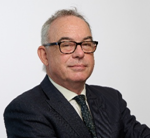
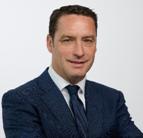
Steven Smith Non-executive Chairman |
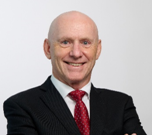
Darren Bowden Chief Executive Officer and Executive Director |
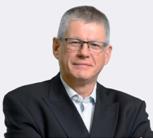
David Cather Independent Non-executive Director |
|
Appointed as Chairman: 21 March 2025 Appointed to the Board: 1 September 2021 |
Appointed to the Board: 1 January 2019 |
Appointed to the Board: 1 November 2024 Member of Remuneration Committee |
|
Steven is currently a director of Candy Ventures S.À.R.L, a Luxembourg based Venture Capital business, funded by British entrepreneur Nick Candy. Steven qualified as a Chartered Accountant at BDO and subsequently as a Chartered Tax Adviser whilst at KPMG. He lectured in Taxation at FTC for four years and then held several senior financial positions at large Public and Private Groups culminating in him being appointed as CFO of a FTSE 250 company. Steven now holds a range of non-executive roles at companies including Audioboom Group plc, an AIM quoted media business. Mr Smith is the Candy Group's appointee to the Board, and as such is not considered to be independent. |
Darren has over 30 years' experience building and developing mining projects across Australia, North and South America. Darren has worked across all aspects of the mining business from M&A to technical to operations and executive management. Some of the notable companies for which he has worked include Anglo Coal Australia, Glencore, Nyrstar and Mubadala. Some of the projects in which Darren has been involved include the Minera San Cristobal a silver, lead, zinc project in Bolivia (green field), the Prodeco coal project (brown field) as the VPO and for Mubadala as the CEO on a large underground gold project (green field), Minesa SA, in Bucaramanga. Darren is a Civil Engineer (Hons) from University of New South Wales, Australia and is focused on driving strategic development and the successful optimisation of companies. |
David has in excess of 40 years' experience in the mining industry. David has acted as CEO and COO of operating gold mining companies, and has held various roles with a London-based fund manager and at Anglo- American plc. He has participated in numerous acquisitions and IPOs of mining companies on various stock exchanges and has significant expertise in mine development. David is currently a non-executive director of several listed and private mining companies. |
|
Board meetings held: 5 Board meetings attended: 5 |
Board meetings held: 5 Board meetings attended: 5 |
Board meetings held: 5 Board meetings attended: 5 Remuneration meetings held: 5 Remuneration meetings attended: 5 |
|
|
|
|
|
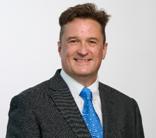
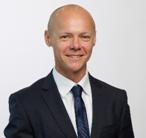
Tim Livesey Independent Non-executive Director |
Andrew Chubb Non-executive Director |
Rob Marshall Non-executive Director |
|
Appointed to the Board: 5 May 2022 Remuneration Committee Chair Member of Audit Committee |
Appointed to the Board: 22 April 2021 Audit Committee Chair Member of Remuneration Committee |
Appointed to the Board: 1 November 2024 Member of Audit Committee |
|
Tim has over 30 years of professional exploration, project development and mining experience in gold and base metals across Africa, Europe, the Middle East and Asia. Tim's extensive career covers both technical and executive management in the industry. He has managed significant projects across the globe for companies such as Anglo-American PLC and Barrick Gold Corporation and held executive and board level roles across junior, mid-tier and senior companies. Alongside this, Tim is also a fellow of the Geological Society and a Member of the Aus.IMM having graduated from the University of Newcastle with an honour's degree in geology. |
Andrew is currently a Partner and Head of Mining at natural resources focused investment bank Hannam & Partners. Previously, Andrew was a Managing Director at Canaccord Genuity. He has a broad range of international corporate finance, restructuring, capital markets and M&A experience focusing on the mining and natural resources sectors. Andrew career has successfully advised on numerous IPOs, public and private equity and convertible capital raises and M&A transactions including AIM, TSX, ASX, NASDAQ and Official List companies. Andrew has a first-class law degree from Manchester University. As Hannan & Partners act as the Company's joint Broker, Andrew is not considered an independent director. |
Rob has been appointed as a non-executive director as a representative of the Company's second largest shareholder, Drachs Investment No3 Limited. Rob is a chartered accountant with over 20 years' professional and corporate advisory experience. Rob is currently the UK managing director and CFO of the Evans Property Group, a global family investment business which is predominantly real estate based. |
|
Board meetings held: 5 Board meetings attended: 5 Remuneration meetings held: 5 Remuneration meetings attended: 5 Audit Committee meetings held: 3 Audit Committee meetings attended: 3 |
Board meetings held: 5 Board meetings attended: 5 Remuneration meetings held: 5 Remuneration meetings attended: 5 Audit Committee meetings held: 3 Audit Committee meetings attended: 3 |
Board meetings held: 5 Board meetings attended: 5 Audit Committee meetings held: 3 Audit Committee meetings attended: 3 |
CORPORATE GOVERNANCE STATEMENT
As in previous years, the Company has continued to follow the QCA Corporate Governance Code, and this year, the Company is reporting against the 2023 version of the QCA Code principles for the first time.
The QCA Code identifies 10 principles that focus on the pursuit of medium to long-term value for shareholders without stifling the entrepreneurial spirit in which the Company was created. The principles of the QCA Code are embedded into the Company's internal reporting and governance structures to the extent expected of a company of Metals Exploration's size, stage of development and resources.
The Company's governance structures are further governed by the Company's Articles of Association ('Articles') together with relationship agreements (the 'Relationship Agreements') with the Company's two largest shareholder groups, Candy Investments S.à r.l, Candy Ventures S.à r.l and MTL (Luxembourg) S.à r.l. ('MTL Lux') (together the 'Candy Group') and Drachs Investments No3 Limited ('Drachs').
The Relationship Agreements regulate the relationship between the Company and its largest shareholders to ensure, amongst other things, that the Company and its business shall be managed for the benefit of the shareholders of the Company as a whole. The Relationship Agreements grant each shareholder group the right to appoint one director, for so long as it (together with its successors or assignees) continues to hold more than 15% of the voting rights of the Company.
The Company's current compliance, or otherwise, with each of the ten Principles of the QCA Code (2023) is detailed below.
|
|
Principle |
Disclosure |
|
1 |
Establish a purpose, strategy and business model which promote long-term value for shareholders
|
The Company's vision and mission statement is set out on page 2 of this Annual Report. The Board regularly reviews the strategy and corporate plan of the Company, which is to provide shareholders with capital growth potential, delivered by developing mineral projects into profitable mines.
The strategic plan and business model are reviewed by the executive team on an ongoing basis with relevant operational and management updates being reported to the Board to demonstrate delivery and progress.
Decisions of the Board are made in line with the strategic plan and business model for the Group. Further details of the Group's strategy can be found in the CEO's Strategic Report.
This Annual Report sets out key risks and uncertainties that may represent challenges to the successful execution of the Company's strategy and business model, and how such risks and uncertainties are managed by the Company. These risks are set out in the Directors Report and in notes 33 and 34 to the financial statements.
|
|
2 |
Promote a corporate culture that is based on ethical values and behaviours |
The Board leads by example and makes decisions that are in the best interests of the Group and its stakeholders as a whole. Culture and ethics are underpinned by a clear set of values which guide decision-making at all levels in the business. These values and 'golden rules' are encouraged to be universally adopted. Refer page 3.
The Board recognises that its decisions have an impact on the corporate culture of the Group as a whole and that this will affect the performance of the business. The Board is also very conscious that the tone and culture that it creates will greatly impact on the way employees behave and operate. The importance of sound ethical values and behaviours is crucial to the ability of the Company to successfully achieve its corporate objectives. The Company's ethical approach to business is reflected in the way the Company has been able to develop long-term and fruitful relationships with all stakeholders.
The Group seeks to ensure that responsible business practice is fully integrated into the management of all its operations and into the culture of all parts of its business. The Board believes that the consistent adoption of responsible business practice is essential for operational excellence, which in turn is expected to ensure the delivery of its core objectives of sustained real growth in future profitability.
|
|
3 |
Seek to understand and meet shareholder needs and expectations |
The Company engages openly with its shareholders via announcements made via a regulatory information service, its corporate website and other social media platforms and investor webinars. The Board encourages investors to participate, if possible, at its Annual General Meeting and General Meetings. The Board believes that the Annual Report and Accounts, and the Interim Results published at the half-year stage, and quarterly operations updates play an important part in presenting all shareholders with an assessment of the Company's position and prospects. During the reporting period the Company's expansion into Nicaragua created additional shareholder engagement opportunities.
The Company's website contains information on the Company's business, corporate, ESG information and specific disclosures required under the AIM Rules and the QCA Code. Management will also conduct periodic meetings either in person or electronically to shareholders, private client brokers and investment analysts.
Formal feedback from shareholder meetings is provided by the Group's broker.
The Company has appointed BlytheRay to act as its main contact point for shareholder queries and has made their contact details available on the Company's website.
|
|
4 |
Take into account wider stakeholder interests, including social and environmental responsibilities, and their implications for long term-success |
The Company's long-term success relies upon good relations with all its stakeholder groups, both internal and external. The Board affords highest priority to ensuring that it maintains a strong understanding of the needs and expectations of all stakeholders, monitoring feedback from them and considers such feedback in developing future policy. The Company's 'social licence' to operate is integral to all operational decisions. The executive team is responsible for managing these stakeholder engagements/relationships.
The Company undertakes its exploration and mining activities in a manner that seeks to minimise or eliminate negative environmental impacts and to maximise positive impacts of an environmental nature. The annual executive bonus awards are impacted by both safety/health and environmental performance throughout the Group, encouraging adverse outcomes to be avoided.
The Company operates a comprehensive safety and health programme to ensure the wellness and security of its employees. The control and eventual elimination of all work-related hazards requires a dedicated team effort involving the active participation of all employees. A comprehensive safety and health programme is the primary means for delivering best practices in safety and health management.
Employment opportunities and regular training are offered to local community members, while gender diversity policies are actively followed.
Employee involvement is fundamental in recognising and reporting unsafe conditions and avoiding events that may result in injuries and accidents. Detailed procedures are in place for employees to raise concerns in confidence, and for such matters to be considered and for any appropriate action can be taken.
The Company has a dedicated community relations departments that are active in developing and assisting with various community social programmes with special focus on health, education and infrastructure projects.
|
|
5 |
Embed effective risk management, internal controls and assurance activities, considering both opportunities and threats, throughout the organisation |
The Audit Committee, on behalf of the Board, is responsible for the Company's system of internal controls and for reviewing its effectiveness. The system is designed to manage, rather than eliminate, the risk of failure to achieve the execution of the Company's strategic objectives and business model. The Board reviews this internal reporting on a regular basis. The Group seeks to achieve excellence and encourages its workforce to strive to succeed without being burdened by a fear of failure.
The Board monitors financial controls through the setting and approval of an annual budget and a formal delegation of authority matrix combined with the regular review of key risk areas and monthly management accounts. The management accounts contain a number of indicators that are designed to reduce the possibility of misstatement in the financial statements.
Each year, on behalf of the Board, the Audit Committee reviews the effectiveness of the Company's system of internal controls. This is achieved primarily via a comprehensive review of risks which covers both financial and non-financial issues potentially affecting the Company and from discussions with the external auditor. Details of the key risks, and their management, are contained in the following Directors' Report and notes 33 and 34 to the financial statements. The Board is not aware of any significant failings or weaknesses in the Company's existing system of internal controls.
The Audit Committee reviews the external auditor's performance and independence on an annual basis.
|
|
6
|
Establish and maintain the Board as a well-functioning, balanced team led by the Chair |
The full Board is responsible and accountable to the shareholders for the management and success of the Company and to provide effective controls to assess and manage risks in the Group. There is a formal schedule of matters specifically reserved for the Board that includes matters relating to strategy & management; structure & capital; financial reporting & controls; internal controls; contracts; communications; Board membership and other appointments; delegation of authorities; and corporate governance. The Company has two Non-Executive Directors, each considered to be independent by the Board due to their relationship with the Company and their ability to act in the best interests of all shareholders. Each Board Committee comprises a majority of independent Non-Executive Directors. The Board provides an overview of the skills and experience of each Director and how these align with the strategic objectives of the Company.
The purpose of the Board is to ensure that the business is managed for the long-term benefit of all shareholders, whilst at the same time having regard for employees, customers, suppliers and our impact on the environment and the communities in which we operate. The full Board is responsible and accountable to shareholders for the management and success of the Company and for providing effective controls to assess and manage the risks that the Company faces. The Board keeps under review its current balance and composition to ensure that it has a sufficiently wide range of skills and experience to enable it to pursue its strategic goals and address anticipated issues in the foreseeable future.
The Chair is responsible for leading the Board and ensuring that it remains effective in fulfilling its role. He sets the Board's agenda and ensures that there is appropriate focus on strategic issues and the monitoring of performance. The Chair promotes a culture of openness and debate within the Board, where Directors can discuss and challenge the actions of the executive management, as well as the views of all Directors, promoting good decision-making and ultimately supporting the Company's long-term, sustainable success.
The Company's business is directed by the Board and is managed on a day-to-day basis by the Chief Executive Officer ("CEO"). The Board monitors compliance with the objectives and policies of the Company through monthly performance reporting, budget updates and periodic operational reviews. The Board has formal meetings at least four times a year, while restricted agenda meetings are held on an ad hoc basis when required. Minutes of the meetings of the Directors are circulated to the Board for approval. Skills and experience of the Directors are included in the biographies on pages 16-17, of this Annual Report and on the Company's website.
The Board has two independent non-executive directors, while a third, Mr Chubb, would be considered independent if not for his role with the Company's joint broker, Hannam & Partners. On appointment, Non-Executive Directors commit to set aside sufficient time on the business of the Company to maintain a full understanding of the business which will include at least one annual visit to the Company's operations in both the Philippines and Nicaragua.
The members of the Board, as a whole, have suitable knowledge of the Company and expertise to discharge their duties and responsibilities effectively. All Directors are encouraged to use their independent judgement and to challenge all matters, whether strategic or operational. Any Director must declare a conflict of interest in relation to a particular item of business before commencement of discussion on the topic.
The Board is supported by the Audit and Remuneration Committees, each with delegated duties and responsibilities, which operate within specific terms of reference which can be found on the Company's website. In the event of a proposal to appoint a new Director, each Director is given the opportunity to meet the candidate prior to any formal decision being taken. Due to the small size of the Company, no Nomination Committee has been established.
Non-Executive directors have been awarded long-term incentive options following extensive consultation with the Company's major shareholders.
As recommended by the QCA Code, all Directors will stand for re-election at the Company's AGM.
|
|
7 |
Maintain appropriate governance structures and ensure that individually and collectively directors have the necessary up-to-date experience, skills and capabilities |
Compliance with the QCA Code and corporate governance requirements generally are reviewed on an ongoing basis by the Board. The Company is not compliant with the Code as it does not have a Nomination Committee, given the current size of its operations; however, the balance and composition of the Board and its Committees is periodically reviewed to ensure the skills and experience needed for successful operation are in place. Update training is undertaken periodically, and the skills and experience of the Directors are kept under review by the Board, and any changes to the strategy of the Company are taken into consideration when the make-up and structure of the Board is considered. The experience and knowledge of each of the Directors gives them the ability to constructively challenge strategy and to scrutinise performance.
The Board's governance and framework sets out leadership and embeds delegated responsibilities to enable informed and confident decision-making. The Board Committees receive expert advice on the specific areas of operation as required, such as on remuneration, governance and capital markets.
There is a clear division of responsibility between the Non-Executive Chairman and the Chief Executive Officer.
MSP Corporate Services Limited, a professional company secretarial services provider, acts as Company Secretary.
The Company has adopted several industry-standard governance policies including a share dealing code, anti-bribery and whistleblowing policies.
|
|
8 |
Evaluate Board performance based on clear and relevant objectives, seeking continuous improvement |
The collective performance of the Board is reflected in the success of the business. Evaluation of the performance of the Board, its committees and individual members has historically been implemented on an on-going and ad hoc basis given the stage of the Company's development. The Company does not therefore currently comply with Principle 8 in that it has no formal board evaluation process. This position will be reviewed as the Company develops.
Succession planning for key executive roles is underway under the responsibility of the Chairman. Given the size of the Company's operations the establishment of a Nomination Committee is not considered necessary.
|
|
9 |
Establish a remuneration policy which is supportive of long-term value creation and the company's purpose, strategy and culture |
The Board is supported by a Remuneration Committee which oversees the Company's Remuneration Policy and framework. The Committee is formed of three Non-Executive Directors, two of whom are independent. The Remuneration Committee periodically seeks external remuneration advice. The Committee, on behalf of the Board, reviews the Remuneration Policy of the Company on an annual basis to ensure it is aligned to the Company's purpose and strategy, and sets the targets for the Company's senior executive team to ensure that the senior management of the Company are motivated to promote the long-term growth of shareholder value. The Company discloses the approach taken to setting the Remuneration Policy as part of its disclosures in the Annual Report and how it is aligned to the Company's purpose, strategy and culture. The Remuneration Committee keeps a watching brief over the wider Company's remuneration structure to ensure proportionality and consistency across the Company.
From a corporate standpoint, FY2025 was busy year for the Company with the acquisition of Condor Gold Plc and the overdue issue of long-term incentive options to directors and management approved in FY2024. Given this, the FY2025 remuneration report is not considered representative of the Company's future remuneration policies Consequently, at the Company's 2026 AGM the annual remuneration report will not be put to an advisory shareholder vote on this occasion, and so the Company will not comply with Principle 9(e).
During FY2026 an independent third party will advise the Company on its executive remuneration and its incentive structures with the aim to adopt policies commiserate with the Company's peers and reflective of its stage of development.
|
|
10 |
Communicate how the Company is governed and is performing by maintaining a dialogue with shareholders and other key stakeholders |
The Company recognises that meaningful engagement with its shareholders is integral to the continued success of the Group. The Company engages with its shareholders through meetings, social media, webinars, presentations and roadshows when appropriate.
The Board believes that the Annual Report and Accounts, the Interim Results published at the half-year stage, and quarterly operations updates play an important part in presenting all shareholders with an assessment of the Company's position and prospects. All regulatory announcements are published on the Company's website. The Annual General Meeting and General Meetings are an opportunity for shareholders to discuss the Company's business with the Directors.
The Board is supported by the Audit and Remuneration Committees, each of which has access to such information, resources and advice that it deems necessary, at the Company's cost, to enable the committees to discharge their duties as are set out in the Terms of Reference of each committee. Within the Annual Report, a report from each of the Committees of the Board is included which explains the role of each Committee, the activity it has undertaken throughout the year, its delegated responsibility and how it interacts with the Board.
Further the Board is supported in its dialogue with shareholders by its corporate brokers and an investor relations consultancy group.
|
AUDIT COMMITTEE REPORT
Aims of the Audit Committee
The principal purpose of the Audit Committee is to assist the Board in discharging its duties regarding corporate governance, the financial statements, to ensure that a robust framework of accounting policies is in place and enacted, and to oversee the maintenance of proper internal financial controls and risk management. The Committee monitors the integrity of the Financial Statements of the Interim and Annual Reports and formal announcements relating to the Group's financial performance, including advising the Board that the Annual Report taken, as a whole, is fair, balanced and understandable.
The Committee reviews, in conjunction with the Group's auditors and management, significant financial reporting issues, key judgements and accounting policies and disclosures in financial reports, reviews the effectiveness of the Group's internal control procedures and risk management systems and considers how the Group's internal audit requirements shall be satisfied, making recommendations to the Board. It reviews the independent auditor's audit strategy and implementation plan, challenges the auditors over key accounting and audit areas and its findings in relation to the Annual Report and Interim Financial Statements. It monitors the relationship with the Group's independent auditor including the consideration of audit fees and independence.
Membership and attendance
The Audit Committee consisted of myself, Andrew Chubb, as the Chair, together with two other Non-Executive Directors.
The Committee aims to formally meet at least twice each year. The external audit team and the Chief Financial Officer ("CFO") are invited to attend meetings of the Committee, and I am satisfied that we were presented with high quality and accurate materials, and in a timely manner.
The external auditors and the CFO attended all committee meetings held during the year.
Key responsibilities
The main responsibilities of the Audit Committee are contained within its terms of reference that have been approved by the Board and are available on our website. The terms of reference and the key responsibilities of the Audit Committee are set out below:
· Maintain the integrity of the annual and interim financial statements of the Company and review any significant reporting matters they contain;
· Review the Annual Report and Accounts and other financial reports;
· Maintain the accuracy and fairness of the Company's financial statements, including through ensuring compliance with applicable accounting standards and the AIM Rules;
· Review the adequacy and effectiveness of the Company's internal control environment and risk management systems;
· Review the adequacy and effectiveness of the Company's Whistleblowing policies;
· To consider the need for, and to oversee, internal audit activities; and
· Oversee the relationship with, and the remuneration of, the external auditor, reviewing their performance and advising the Board members on their appointment.
Activities of the Audit Committee during the year
During FY2025, the Group expanded into a new jurisdiction, Nicaragua, requiring new procedures, protocols and risk management controls to be introduced. On behalf of the Board, the Audit Committee has closely monitored the introduction and maintenance of internal controls and risk management during the year, and this process has been a key focus of both the Group, the Audit Committee and the Board. Key financial risks are reported during each Board and Audit Committee meeting, including developments and progress made towards mitigating these risks.
The Committee received regular reports from the CFO throughout the year and was satisfied with the effectiveness of internal controls and risk mitigation. The Committee also received and considered reports from the external auditor, PKF Littlejohn LLP ("PKF"), which included control findings relevant to their audit.
Significant reporting matters
The Audit Committee has reviewed management's assessment of critical accounting judgements and key sources of estimating uncertainty disclosed in note 2.
As part of the review, the Committee considered whether:
· There are any material or sensitive omissions from the Annual Report narrative;
· The Annual Report narrative is a true and balanced reflection of events and performance in the year;
· There is consistency throughout the Annual Report and Financial Statements; and
· There is a clear explanation of key performance indicators, their link to performance and strategy and equal prominence of statutory performance measures.
The Committee is satisfied that management and the Auditors have considered these matters appropriately and that a reasonable conclusion has been reached, and appropriate disclosure made, based on the information available to the Group. The Committee is not aware of any significant failings or weaknesses in the Company's existing system of internal controls. The Committee has determined that an internal audit function is not necessary for the Company in the context of the Company's current level of complexity of its operations.
Going concern
The Directors consider the continuing strong operating and financial performance of the Group, combined with its existing cash holdings, provides ample evidence that there currently is no material uncertainty surrounding the Company and the Group's ability to continue as a going concern, and in particular, to fund its construction and development activities in Nicaragua. The Company remained debt free at year-end.
Accordingly, the Company and Group financial statements are prepared on a going concern basis. Further detail regarding the reasoning behind this conclusion can be found in the Directors' Report on page 42.
External audit
The Audit Committee considers various matters when reviewing the appointment of an external auditor including their performance in conducting the audit and its scope, terms of engagement including remuneration and their independence and objectivity. Details of auditor's fees are included in the notes to the financial statements.
PKF was re-appointed as Group and Company auditor at the Company AGM in June 2025. The Audit Committee has confirmed it is satisfied with PKF's industry experience, knowledge of the Company and its effectiveness as external auditor. PKF does not provide any non-audit services to the Group or the Company. The Audit Committee has recommended the reappointment of PKF at the forthcoming annual general meeting.
The year ahead
Following the Group's expansion into Nicaragua in FY2025, the Audit Committee will continue to focus on ensuring that a robust framework of internal controls and risk management exists throughout the entire Group. In particular, the Audit Committee in conjunction with the executive management of the Company will continue to develop reporting procedures, construction cost and schedule monitoring, controls and risk management in Nicaragua as the La India moves through construction into its production phase. Financial disclosures and risk management will continue to be closely monitored, and any potential risks mitigated where appropriate.
The Audit Committee will also continue its close dialogue with the Company's external auditors, highlighting any emerging financial risks or matters facing the Company throughout the coming year and ensuring that the Company's financial reporting mechanisms continue to be constantly updated in line with best practice and subjected to scrutiny and challenge.
Andrew Chubb, Chair of the Audit Committee 
21 May 2026
REMUNERATION COMMITTEE REPORT
Aims of the Remuneration Committee
The Committee's overall aim is to align employee remuneration with the successful delivery of long-term shareholder value by rewarding performance and providing appropriate incentives. Our core principles that enable us to achieve this goal are:
1. To offer competitive remuneration to executive management that attracts, retains and motivates highly skilled individuals;
2. To align remuneration packages with performance-related metrics that mirror our short and long-term business strategies; and
3. To encourage accountability in the workplace and link reward with success.
The Group currently operates the following remuneration framework:
· Annual salary and associated benefits;
· Annual discretionary bonuses that are granted following the Committee's assessment of performance against certain key business indicators; and
· Long-term incentive programme ("LTIP") equity awards.
Membership and attendance
The Remuneration Committee consisted of myself, Tim Livesey, as the Chair, together with two other Non-Executive Directors. The Committee aims to formally meet at least twice each year. The Committee formally met five times in FY2025.
No Director is involved in any decisions relating to their own remuneration. None of the Committee has any personal financial interest, conflicts of interests arising from cross-directorships, or day-to-day involvement in running the business.
Terms of reference
The terms of reference of the Remuneration Committee, that have been approved by the Board and are available on our website, are set out below:
· Determine and propose to the Board the Company's overall remuneration policy and monitor the efficacy of the policy on an ongoing basis;
· Determine and propose to the Board the remuneration of the Executive Directors and senior management;
· Determine the objectives and headline targets for any performance-related bonus or incentive schemes;
· Monitor, review and approve the remuneration framework for other senior employees; and,
· Review and approve any termination payment, such that these are appropriate for both the individual and the Company.
Executive remuneration package and service contracts
During FY2025 the committee commissioned an independent peer review of the CEO and CFO remuneration packages. There was no change to the CEO's base remuneration and a modest increase to the CFO's base salary remuneration component. There have been no material changes to other executive remuneration packages during the year.
The Group's remuneration framework includes payment of an annual salary and an annual short term bonus. Further, in February 2025 an LTIP was awarded to executives after protracted negotiations with the previous Group lenders were finalised. Executives are provided with life assurance cover equivalent to two times their base salary (capped at £500,000). There are no pension/superannuation schemes in place for executives or non-executive directors. Termination of executive contracts are subject to a twelve month notice period or an in lieu base salary termination payment.
Management Incentive Programme ("MIP") - 2025 Performance
The CEO and other senior executives are eligible to participate in a MIP. The MIP awards an annual short-term bonus based on performance achieved against pre-determined key performance indicators ("KPIs"). The CEO is measured against the corporate KPIs while each senior executive has a portion of their bonus judged against personal KPI measures adjusted as appropriate to their role within the Group.
The following table details the corporate KPIs adopted by the Committee in its assessment of the Group's performance which were applied to FY2025.
|
Performance indicator |
2025 Rating |
2025 Performance |
|
Environmental/Safety/Health and compliance |
Award threshold achieved |
One LTI recorded in the Philippines, none in Nicaragua; no material environmental/licensing incidents |
|
Free cash generated before debt principal/interest/fees |
Maximum target achieved |
Free cash generated exceeded budget |
|
La India gold project construction |
Standard target achieved |
Construction on schedule and on budget |
|
Total expenditure v budget |
Standard target achieved |
Actual spend approximated budget |
|
Dupax project development |
Award threshold not achieved |
Tenement awarded however the initial drill programme was unsuccessful |
Glossary:
KPI - Key performance indicator; LTI - Lost time injury
Of the total MIP bonus, 15% is satisfied by an issue of new Ordinary Shares, at an issue price equal to the 14-day VWAP market value following the date the MIP bonus was recommended by the Remuneration Committee.
In March 2026, the Company issued 1,182,210 new Ordinary Shares to executives as part of the 2025 MIP bonus award.
Non-executive director remuneration
All non-executive directors are appointed under a letter of engagement that sets out the terms, responsibilities and remuneration attaching to their appointment. The remuneration of non-executive directors is determined by the full board. All non-executive directors participated in the LTIP option issue during the year.
Director remuneration
The Directors' remuneration for the year was as follows:
|
Year ended 31 December 2025 |
Fees/salary US$ |
Short-term cash performance bonus US$ |
Share- based payments - (Short and long term non-cash awards) US$ |
Total US$ |
|
Darren Bowden1 Executive director/CEO |
801,016 |
1,160,121 |
12,136,073 |
14,097,210 |
|
Steven Smith2 Chairman & non-executive director |
109,109 |
- |
915,641 |
1,024,750 |
|
Tim Livesey1 Independent non-executive director |
88,279 |
- |
177,486 |
265,765 |
|
Andrew Chubb Non-executive director |
79,352 |
- |
177,486 |
256,838 |
|
David Cather Independent non-executive director |
79,352 |
- |
177,486 |
256,838 |
|
Rob Marshall Non-executive director |
79,352 |
- |
215,808 |
295,160 |
|
Nick von Schrinding Independent Chairman (resigned 21 March 2025) |
89,271 |
- |
89,916 |
179,187 |
|
Total |
1,325,731 |
1,160,121 |
13,889,896 |
16,375,748 |
|
Year ended 31 December 2024 |
|
|
|
|
|
Darren Bowden1 Executive director/CEO |
800,917 |
751,703 |
- |
1,552,620 |
|
Nick von Schrinding Independent Chairman |
91,565 |
- |
121,703 |
213,268 |
|
Steven Smith2 Interim Chairman & non-executive director |
394,771 |
- |
- |
394,771 |
|
Tim Livesey1 Independent non-executive director |
95,257 |
- |
5,371 |
100,628 |
|
Andrew Chubb Non-executive director |
70,324 |
- |
- |
70,324 |
|
David Cather Independent non-executive director (appointed 1 November 2024) |
12,786 |
- |
- |
12,786 |
|
Rob Marshall Non-executive director (appointed 1 November 2024) |
12,786 |
- |
- |
12,786 |
|
Guy Walker Non-executive director (resigned 3 September 2024) |
47,857 |
- |
- |
47,857 |
|
Total |
1,526,263 |
751,703 |
127,075 |
2,405,040 |
Notes:
¹ Includes consulting fees paid to private consulting companies.
2 Fees paid in accordance with a Services Agreements between the Company and MTL (Luxembourg) Sarl/Candy Investments Sarl.
No element of the Directors' remuneration (other than options and shares issued as part of the LTIP and MIP bonus) is currently related to the Company's future share price.
Director interests in shares
As at FY2025 year end, Directors' interests in Ordinary Shares in the Company were:
|
Director |
Opening balance |
Acquired during year |
Disposed during the year |
Closing balance |
|
Darren Bowden |
8,257,355 |
191,051,895 |
- |
199,309,250 |
|
David Cather |
6,600,000 |
500,000 |
- |
7,100,000 |
|
Andrew Chubb |
4,100,000 |
564,901 |
- |
4,664,901 |
|
Tim Livesey |
6,600,000 |
- |
(2,500,000) |
4,100,000 |
|
Rob Marshall |
7,820,928 |
827,314 |
- |
8,648,242 |
Director interests in options
Directors' beneficial interests in unissued ordinary shares granted by the Company under share options as at FY2025 year-end are as follows:
|
Director |
Option expiry date and exercise price |
Opening balance |
Issued during year |
Exercised during the year |
Options held at year end |
|
Steven Smith Chairman & non-executive director |
On or before 25 June 2032 at nominal share value |
- |
6,600,000 |
- |
6,600,000 |
|
Andrew Chubb Non-executive director |
On or before 7 February 2032 at nominal share value |
- |
4,000,000 |
- |
4,000,000 |
|
Tim Livesey Independent non-executive director |
On or before 7 February 2032 at nominal share value |
- |
4,000,000 |
- |
4,000,000 |
|
David Cather Independent non-executive director |
On or before 7 February 2032 at nominal share value |
- |
4,000,000 |
- |
4,000,000 |
|
Robert Marshall Independent non-executive director |
On or before 25 June 2032 at nominal share value |
- |
4,000,000 |
- |
4,000,000 |
|
Darren Bowden CEO |
On or before 7 February 2032 at nominal share value |
- |
180,000,000 |
180,000,000 |
- |
|
Darren Bowden CEO |
On or before 27 August 2031 at nominal share value |
9,500,000 |
- |
- |
9,500,000 |
The relevant Non-Executive Directors' independence is not considered to be compromised due to holding these options as the level of share options are deemed to be sufficiently immaterial.
Long-term Incentives
The full and final settlement of all debt issues in June 2024 removed the operational covenants within the Group's historical debt documents that required lender approval of any equity incentive schemes. Thus, the Company, in August 2024, was able to establish a LTIP to align directors and senior management with shareholders' interests, while providing operational flexibility to pursue strategic opportunities to grow the Group's activities. Due to restrictions on issuing these options arising from ongoing corporate matters, the LTIP options were finally issued in February 2025. Subsequent LTIP options were issued to two further non-executive directors to fully align all the board with the Company's aspirations.
The year ahead
The Committee aims to ensure that the quantum and structure of remuneration at Board and senior management levels continue to be appropriate for the roles and responsibilities, including with regard to any succession planning activities. During FY2026 an independent third party will advise the Company on its executive remuneration and its incentive structures with the aim to adopt policies commiserate with the Company's peers and reflective of its stage of development.
The annual discretionary bonus corporate KPIs for FY2026 will focus the Group completing the construction of the La India gold mine, on time and on budget, maintaining strong cash flow from Runruno to fund the La India construction, combined with the need to source additional near development projects, particularly in the Philippines to leverage off the in-country expertise and human resources as an integral element of planning for the end of mining activities at Runruno.
Tim Livesey, Chair of the Remuneration Committee
21 May 2026
SUSTAINABILITY REPORT
The Group publishes an annual in-depth sustainability report covering its Philippine operations. In April 2026, a sustainability report covering the activities and outcomes for the 2025 calendar year, titled 'Beyond the Gold' was issued. Shareholders are recommended to access this report, and sustainability reports covering previous periods from the Company website at https://metalsexploration.com/esg/esg-overview/.
The reports are prepared in accordance with the Global Reporting Initiative (GRI) Standards and provides stakeholders with a transparent account and comprehensive information on our sustainability performance and governance and climate-risk related disclosures. With construction of the La India project in Nicaragua underway this level of reporting is not yet available, however, protocols will be introduced to enable the Group to report on how it deals with these matters in its Nicaraguan operations once it commences commercial production.
RISK MANAGEMENT
The Group's Code of Conduct enumerates its ethics. Operational procedural standards, aligned with legal requirements, have been established for all activities we undertake. Philippine operations are certified with ISO 14001:2015 compliance and the Group is a member of the Chamber of Mines of the Philippines "Towards Sustainable Mining" initiative. Risk management protocols that reflect the standards maintained in the Philippines have been introduced in Nicaragua. The reporting of any infractions, particularly on safety concerns and potential environmental non-compliance, is participatory and cuts across all employees regardless of position.
COMMUNITY AND SOCIAL DEVELOPMENT
The Group is committed to enriching the lives of local communities that are impacted by its operations and promote the participation of local community and public institutions.
In the Philippines, the Group allocates 1.5% of direct mining and processing costs to be applied in its Social Development and Management Program ("SDMP"). Through the SDMP the Group partners with local communities to identify and implement impactful socio-economic programmes that drive sustainable development in our host and neighbouring areas. Implementation of the SDMP passes through a series of community consultations to identify appropriate socio-economic programmes. The Group's SDMP programmes are focused on:
· Health;
· Education;
· Capacity building;
· Community development and empowerment;
· Enterprise development, improvement and networking;
· Infrastructure development; and
· Preservation and respect of socio-cultural values.
Total Philippine community programme expenditure for FY2025 was US$2.0 million (2024: US$1.9 million). The reach of the programmes extends to assist the residents of the Barangay of Runruno and surrounding Barangays, the Municipality of Quezon and the Province of Nueva Vizcaya.
The Community Relations Department, the community interface arm of the Group, maintains strong partnerships with various national agencies and local governments from Barangay to Provincial level. They are primarily engaged in managing the implementation of identified and prioritised projects within the mandated SDMP and other programmes under them as a component of the Group's commitment to its Corporate Social Responsibility ("CSR").
In Nicaragua, the Group already has significant community support programmes in place. It is working with communities across local municipalities, strengthening the business-community link and contributing to the social and economic development of the region. Financial contributions have been combined with the creation of local programmes focused on access to drinking water, strengthening the local economy, providing community training, promoting environmental sustainability and developing community communication. The Group's initiatives have included:
· Supporting local infrastructure: Built a new community fire station and enhanced local roads.
· Access to safe water: Launch of the Fresh Water Programme and with a water treatment plant distributed more than 30,000 bottles of potable water.
· Revitalisation of the local economy: Promotion of entrepreneurship through access to community credit, capacity building and technical support, directly benefiting local entrepreneurs and promoting economic inclusion.
· Job creation and economic growth: Prioritisation of local labour during the construction phase and procurement from local businesses; combined with implementation of technical training programmes and trade courses.
· Environmental awareness and management: Collection of plastic and electronic waste, along with environmental awareness actions that promote sustainable practices in communities.
· Prioritisation of community relations: Active community engagement and participation, including within the established Information Office, providing transparent dialogue.
Significant progress has been achieved since the acquisition of La India, demonstrating the Group's commitment to sustainability, inclusive development and the well-being of the communities where it operates.
Total Nicaraguan community programme expenditure for FY2025 was US$331,000. Once the La India project is in production the Group will formalise the financial commitments it expects to provide to support local communities.
ANTI-SLAVERY AND HUMAN TRAFFICKING
Our anti-slavery policy reflects our commitment to acting ethically and with integrity in all our business relationships and to implementing and enforcing effective systems and controls to ensure slavery and human trafficking are not taking place anywhere in our supply chains. Our Company abides by various legislation and frameworks, including the UK Modern Slavery Act 2015, the Philippine Anti-discrimination Act of 2011, Republic Act 7877, the Philippine Anti-Sexual Harassment Act of 1995, the Nicaragua Anti-Trafficking in Persons Act (2015), the Nicaragua Code of Childhood and Adolescence, and the United Nations Guiding Principles on Business and Human Rights.
SAFETY AND HEALTH
A safety and health programme is created each year to establish a robust foundation for the implementation of measures that prioritise the well-being and protection of workers. This ensures that workers are provided with a just, safe, and humane working environment. It is updated annually to ensure that the programme remains up-to-date and sufficiently addresses the evolving hazards and risks of the operations.
The Group suffered its first LTI in the Philippines since December 2016 when on 30 March 2025 an employee suffered burns that required hospital treatment. This employee made a full recovery and returned to work in Q2 2025. Since March 2025 the Group has not suffered from a further LTI. Prior to that the Company had accumulated more than 25 million man-hours with no lost time incidents. A safe working culture is actively promoted by a dedicated occupational safety and health department.
In Nicaragua, the operation has not recorded any LTIs, achieving the milestone of more than 1,000,000 man-hours worked without a LTI, reflecting the organisation's strong commitment to safety.
HUMAN CAPITAL
Employees are the lifeblood of our operations. Without their dedication to exemplary performance, and a work ethic that aligns with the values of our Company, the growth and development that the Group has achieved through the years would not have been attained. It is therefore crucial for our Company to invest in our people to be able to power the business and continue operations, as well as support them in their journey towards a rewarding career and achievement of success that ripples through their lives and their communities.
Our policy is to recruit and retain the most talented and high-performing people who share the Group's commitment to sustainable development. Great care is taken in every step of the employment process with an emphasis on equality, diversity, work-place safety and employee welfare.
The Group emphasises employment from within the local community. In Nicaragua, over 83% of personnel during the construction phase have been hired in-country, and in the transition to the production phase this is expected to increase further.
The recruitment and participation of the female workforce is a fundamental core of our operations, to promote gender equality, social inclusion, diversity of perspectives and sustainable development within the Group. Over 34% of the Nicaragua personnel are female, employed across operational, technical and administrative roles.
ENVIRONMENT
The Group is active in promoting and implementing "responsible mining" practices. It is a leader in the Philippine mining industry in its environmental and environmental rehabilitation practices, having received numerous government/industry awards in this area over a number of years. The Group implements innovative technologies to enhance the efficiency and effectiveness of existing programmes across all operational facets, including our environment-related projects. Use of technologies like low-cost hydroseeding technology combined with a zero-waste initiative, and maintaining a tree nursery and a clonal tree nursery research facility, are essential for the sustainability of our environmental restoration efforts.
Since the acquisition of Condor, in Nicaragua the Group has introduced environmental practices in compliance with our permit conditions, covering management of waste, a nursery programme to grow native plants and trees, monitoring of air and water quality, and providing environmental training to staff and the local community.
WASTE MANAGEMENT
Safe management of tailings and other waste products are crucial to the safety of our communities and longevity of our operations. At Runruno tailings are sent to the RSI which has been constructed to international standards applicable to water storage dams, which are much higher than international standards applicable to mining tailings. At La India the tailings dam facility is under construction and will be constructed to the appropriate international standard.
While the Group has a strong waste management record to date, it understands the risks associated with tailings management are a particular concern to our stakeholders and the Group is determined to maintain high levels of safe tailings management.
Across its operations the Group abides by laws and decrees for the management and disposal of waste, and commitments established under its Environmental Permits. The Group has implemented waste management systems covering segregation, collection, transportation, recycling, and re-use. In combination with this, the Group has established training programmes and awareness campaigns for staff and the local community, to promote a culture of recycling and good waste disposal.
WATER MANAGEMENT
Mining activities require a large and constant supply of water, and the Group recognises that access to safe water is a fundamental right for local communities. We continue to prioritise effective water and wastewater management as part of our environmental initiatives. Our commitment to environmental stewardship reflects our dedication to balancing economic success with environmental responsibility.
The Group operates a dynamic water management programme to avoid possible impacts on the downstream/groundwater water quantity, quality and aquatic environment. The ASTER technology contained in the final segment of the Runruno process plant destroys all cyanide species from tailings before the tailings are pumped into the RSI. During FY2025, the Group continued to reduce its monthly average water consumption at Runruno.
A key commitment to the local La India community is to assist in the supply of potable water as an alternative to using the local ground water which has been contaminated following years of unregulated artisanal processing operations. The Group established a Fresh Water Programme and water treatment plant, which has distributed more than 30,000 bottles of potable water to local community members.
REFORESTATION AND REHABILITATION
The Group acts positively to reduce the potential environmental impacts of its operations. It undertakes this obligation through immediate and continuous rehabilitation activities, by the re-greening of disturbed areas, the establishment of protection forests and the provision of habitat for wildlife.
These programmes demonstrably improve the environment within and surrounding the Group's operations and are designed for beautification, stabilisation and to off-set green-house gas emissions and the impacts of the Group's operations. Through its various programmes, the Group has been responsible for planting over 2 million endemic and cash crop trees in and around the Runruno mine.
A total of 16.99 hectares within the FTAA area were rehabilitated during FY2025 (FY2024: 6.22 hectares) to bring the total area rehabilitated since commencement of mining to 73.55 hectares.
As a manifestation of our unwavering and exemplary commitment, the Group has received the Presidential Mineral Industry Environmental Award (PMIEA) in the Surface Mining Operation Category for the fourth consecutive year.
In Nicaragua, the Group has established the Oro Verde Forest Nursery to grow for annual planting forest, fruit and ornamental trees and plants. In 2025, the Company carried out rehabilitation initiatives in collaboration with the community whereby 9.7 hectares of diversified forest plantations were reforested. This is in the final stages of the 5-year establishment phase.
CLIMATE-RELATED REPORTING
Climate change adaptation and mitigation encompass our approach to managing the impacts, risks, and opportunities associated with climate change, as well as the integration of these strategies into our business operations. This is particularly relevant as mining activities can be substantial emitters of greenhouse gases ("GHG"). The Group is committed to taking responsibility for its actions and strives to minimise, if not eliminate, any negative environmental impacts. Climate change commitments and initiatives are fully aligned with the Group's Environmental Policy statements, and it adheres to the Guidelines on Resource Conservation and sets clear objectives, targets, and programmes aimed at reducing GHG emissions, thereby supporting the effective implementation of ISO 14001 Standards.
Task Force on Climate-related Financial Disclosures (TCFD)
The Group is committed to managing the impact of its operations on the planet and the impact of climate change on its operations, particularly to ensure continued operational and financial resilience in a changing world and marketplace. The Group understands the importance of these matters to its investors, partners, and regulatory authorities and considers the 4 TCFD pillars of disclosure below.
TCFD PILLAR - Governance
Board Oversight
The Group recognises the threats and impacts posed by climate change and its role in the transition to a low-carbon economy. The Group aims to align our efforts to contribute to global climate goals and targets. Development in Nicaragua is utilising modern methods and equipment to minimise the Company's climate impact, with an efficient processing design to minimise the plant's physical footprint.
It is noted that the Runruno operation is powered by hydroelectricity, while hydroelectricity is also produced near to the La India project. At La India, utilisation of solar energy for some aspects of the project is being studied.
Management Oversight
Management is involved in identifying and evaluating risks that may affect the operations. These risks are constantly assessed to prevent potential environmental, economic and sociocultural impacts to our stakeholders. Within the Group's Philippine operations the use of renewable energy is supported by purchasing our power from a hydroelectric power company. In addition, the Group has adopted methods and technologies that increase the efficiency of its operations without causing significant harm to the environment. The Group initiates efforts to include stakeholders in its programs and initiatives in mitigating and addressing the impacts of climate change.
TCFD PILLAR - Strategy
Identified climate-related risks and opportunities
The identified key climate-related threats include increased risk of potential emergencies such as earthquakes, floods, typhoons and dam failures. In response to these identified threats, the Group has developed an emergency control plan (ECP) to ensure preparedness for these potential emergency situations. The ECP is shared with local communities to facilitate a planned effective and timely response, aiming to mitigate threats and minimise consequences to life, environment, and property.
Impact of climate-related risks and opportunities on strategy and planning
The Group has integrated climate scenarios into its strategic operational planning and review process. Climate scenarios are identified based on reliable government/educational institutional publications. Development in Nicaragua is being undertaken utilising the best and most relevant information available to help minimise climate impacts.
Resilience of strategy
Management has incorporated climate scenarios into the Group's strategic operational planning and review process. The Board encourages senior management to assess principal and emerging climate-related risks on a regular basis. Any changes in risks identified are to be reported to and discussed at Board level and incorporated into the strategy and planning of the Group.
TCFD Pillar - Risk Management
Processes for identifying and assessing climate-related risks
The Group's efforts to mitigate GHG emissions and identify climate-related risks are fully embedded in its corporate policy, project and procurement evaluation criteria, and overall risk management. This ensures consistent application and management throughout our value chain.
Processes for managing climate-related risks
The Board and senior management co-ordinate the Group's analysis and planning of the effects of climate change on our business. The Board regularly discusses the impact of any risks identified through the organisation. The mitigation of GHG emissions and identification of climate related risks has been integrated into our corporate policies to ensure it is consistently applied and managed. The Group continuously monitors and reports key performance indications relating to environmental matters.
Process for integrating climate-related risks into the overall risk management
New or evolving climate change risks identified by both senior and local management are reported to and discussed at Board level and incorporated into the strategy, planning and climate policy of the Group. Where possible, plans to mitigate the effect of climate change on our operations and our local communities will be integrated into the Group's environmental management and social and labour plans.
TCFD Pillar - Metrics and Targets
Metrics used by the Group
The Group annually sets targets to reduce its net GHG emissions. Targets are also set for the reduction of water, diesel, and electricity consumption, and waste generation. Further, in the Philippines targets to increase reforestation and restoration activities are also set.
Greenhouse Gas Emissions
The Group is committed to measuring and reporting our scope 1 and 2 greenhouse gas emissions as noted below. Scope 3 emissions are not currently measured given the size of the Group's activities.
Targets used by the Group
At year end the Group has only the single Philippine located producing operation which will cease mining and processing activities within the next 12 months. Annual targets have been set to reduce the Group's impacts and to reduce its net GHG emissions for this project. These targets are monitored and reviewed monthly and are set based on the previous year's effort and performance. In FY2025, we achieved positive results, with above target reductions in water, electricity and diesel consumption, residual and hazardous waste generation. There was a below target increase in the flora diversity species index covering the FTAA area, due mainly to the impact of numerous typhoons on various species.
As the Nicaraguan activities consist of construction and development the Group has yet to set targets or measure its Scope 1 & 2 GHG emissions. Targets will be set for the La India project once this project commences commercial production.
GREENHOUSE GAS EMISSIONS
Scope 1 GHG emissions from operations refers to direct activities that are owned or controlled by the Group; primarily emissions from fuel consumed by haul trucks, other vehicles and stationary plant at the Runruno project.
The calculation of GHG emissions is based on activity data, i.e. monitoring of fuel consumption rates, fuel composition, etc multiplied by industry produced conversion factors.
Scope 2 GHG emissions are indirect emissions from the generation of purchased electricity consumed by operations that are owned or controlled by the Group. Scope 2 emissions have been calculated using Philippine government recorded supplier-specific emission factors. Within our operations we support the use of renewable energy by purchasing our electricity from a hydroelectric company.
These Scope 1 and 2 GHG emissions are regularly reported to the Philippines mines department. Scope 3 emissions are not measured.
The Group's activities in Nicaragua are limited, in the main, to construction and development activities using contractors equipment. Accordingly, as yet, no GHG emission targets or tracking systems have been introduced.
The Group's carbon footprint for its Philippine operations (generated outside of the UK) was measured as follows:
|
|
2025 CO2e Tonnes |
2024 CO2e Tonnes |
|
Scope 1 GHG emissions |
17,207 |
16,983 |
|
Scope 2 GHG emissions |
69,072 |
64,663 |
|
Operational GHG emissions Total |
86,279 |
81,646 |
|
|
Total CO2e Tonnes per ounces gold produced |
Total CO2e Tonnes per ounces gold produced |
|
Operational GHG Emissions Intensity |
1.32 |
0.97 |
ENVIRONMENTAL MONITORING
The Group maintains very high compliance standards and employs industry leading initiatives to ensure the highest environmental performance. The Group conducts regular internal comprehensive environmental monitoring to ensure compliance with its licence provisions, government regulations and any appropriate contemporary standards. This monitoring extends to reference sites outside the immediate operational area. The Philippine government undertakes quarterly monitoring by an independent, community based Multipartite Monitoring Team; while an independent third-party consultant group specialising in environment monitoring services is also engaged to independently monitor the Group's environmental performance. Quarterly reporting obligations are also following in Nicaragua.
In Nicaragua, surface and groundwater monitoring took place in 2025 across the La India concession, to provide a baseline of the current state of the aquifer. This was undertaken in conjunction with environmental and governmental departments, and local community leaders. Surface and groundwater water levels are monitored on an ongoing basis across multiple sites within the La India concession. Air quality is monitored in adherence with government requirements.
LEGAL COMPLIANCE
High compliance standards are practiced across the Group. Specialised site-based teams are dedicated to managing the high levels of compliance mandated by the governments in the countries we operate in. The Runruno site is regularly audited with upwards of 60 audits, verifications or reviews of its operations undertaken annually by the various regulators. The wide range of permits to operate in the Philippines are secured from more than a dozen Government agencies and regulators. Regular Nicaraguan government audits are carried out to ensure compliance with local rules/regulations.
DIRECTORS' REPORT
The Directors present their Annual Report together with the audited financial statements of Metals Exploration plc (the 'Company') and its subsidiary undertakings (the 'Group'), for the year ended 31 December 2025.
PRINCIPAL ACTIVITIES
The principal activity of the Group is to identify, acquire, explore and develop mining and processing projects, mining companies, businesses or opportunities with particular emphasis on precious and base metals mining opportunities in the Philippines, and Nicaragua.
The Company was incorporated on 8 April 2004 under the Companies Act 1985 (now Companies Act 2006) and is registered in England and Wales with registered number 05098945. The Company was admitted to trading on AIM in October 2004.
The principal activity of the Company is that of a holding company for its subsidiary undertakings.
FINANCIAL RESULTS
For the year ended 31 December 2025 the profit before tax of the Group for the year was US$45.1 million (2024: US$34.6 million). Refer to page 9 for an alternate non-IFRS compliant performance measure.
DIVIDENDS
A dividend payment is not recommended for the year ended 31 December 2025 (2024: US$nil).
BUSINESS REVIEW AND FUTURE DEVELOPMENTS
A review of the current and future development of the Group's business is given in the Chairman's Statement on page 5 and the Chief Executive Officer's Strategic Report on page 8.
NOMINATED ADVISER & JOINT CORPORATE BROKERS
The Company's nominated adviser is Strand Hanson Limited. The Company's joint corporate brokers are Hannam & Partners ('H&P Advisory Limited') and Panmure Liberum.
AUDITOR
PKF Littlejohn LLP was re-appointed as auditor of the Company at the Annual General Meeting held in 2025 and it is proposed that they be re-appointed as auditor of the Company at the Company's forthcoming Annual General Meeting.
DIRECTORS
The Directors of the Company during the year and since the year end were:
Steven Smith (Chairman and Non-Executive Director)
Darren Bowden (Chief Executive Officer and Executive Director)
David Cather (Independent Non-Executive Director)
Tim Livesey (Independent Non-Executive Director)
Andrew Chubb (Non-Executive Director)
Rob Marshall (Non-Executive Director)
Nick Von Schirnding (Independent Non-Executive Chairman), appointed 18 March 2024 - resigned 21 March 2025
ARRANGEMENTS TO PURCHASE SHARES OR DEBENTURES
In accordance with the Company's LTIP, during FY2025 the Company issued to directors:
· 180,000,000 options to acquire new Ordinary Shares to Mr Bowden,
· 6,600,000 options to acquire new Ordinary Shares to Mr Smith,
· 4,000,000 options to acquire new Ordinary Shares to each of Mr Chubb, Mr Cather, Mr Marshall and Mr Livesey.
All vesting conditions attaching to these options (apart from the requirement for Mr Marshall to serve as a director for a minimum of three years) have been satisfied.
Apart from outstanding share options, a full summary of which is disclosed in the Remuneration Report, there are no other arrangements entered into to enable the Directors of the Company to acquire benefits by means of the acquisition of shares in, or debentures of, the Company or any other body corporate.
DIRECTORS' INTEREST IN CONTRACTS OF SIGNIFICANCE
No contract of significance to which the Company, or any of its subsidiary companies was a party and in which a Director of the Company had a material interest, whether directly or indirectly, subsisted at the end of the financial year or at any time during the year; other than:
· Andrew Chubb is a director of H&P Advisory Limited trading as Hannam & Partners, the Company's joint broker.
· Robert Marshall is the nominee director of Drachs which in November 2024 provided the Company with a short-term £5.5 million loan. The principal and interest of this loan was repaid in March 2025 by the transfer of 94,127,854 Ordinary Shares held in treasury to Drachs at an issue price of £0.06 per Ordinary Share.
DIRECTORS' INDEMNITY
As permitted by its Articles of Association, the Company has granted a third-party indemnity to each Director against any liability that attaches to them in defending proceedings brought against them, to the extent permitted by English law. This indemnity was in force during the financial year and up to the date of signing of this report. In addition, all Directors and officers of the Company and its subsidiaries are covered by Directors' and Officers' liability insurance.
PRINCIPAL RISKS AND UNCERTAINTIES FACING THE GROUP
The Board of Directors review the principal risks and uncertainties facing the Group on an ongoing and regular basis. Assessments are made as to how to manage these and mitigate as much risk as possible through various controls. Many of these risks and uncertainties are common to all mining projects. The principal risks and uncertainties facing the Group are identified as follows:
Market risk
The profitability of the Group's projects is impacted by the risks associated with the gold market. Profitability can be affected by factors beyond the Group's control, such as a prolonged decline in world gold prices. The Group regularly tracks gold prices and regularly refines its models on financial profitability to have available for the Board at all times, a current view on the future financial viability of its active projects. The Group has attempted to mitigate this risk by entering into limited hedge arrangements in relation to future gold prices. Refer note 21.
The Group is exposed to currency risks in its operations; particularly in relation to Philippine domestic peso currency exposure from costs associated with mining and gold recovery. Currency exposures are carefully monitored, and USD:PHP forward contracts are in place to insure against major adverse currency movement risk. Refer note 21.
Nature of mining, resource estimation and mineral processing
Mineral resource and reserves estimation provides no assurance that the potential tonnage and grades will be achieved. The exploration of mineral rights is speculative in nature, and any published results are expressions of judgement developed using industry tested measuring techniques, none of which can be relied upon with complete certainty. Each set of published results builds upon the previous published information and includes any new and reliable information from systematic drill results, mining, and recovery and reconciliation activities and is independently verified by qualified persons. However, this still involves experience, judgement, skill and estimation, all of which are imprecise, interpretative and open to challenge. The actual results of mining may differ upwards or downwards from the published reserves upon which the Group relies in its business projections.
The size of the deposit, its grade, depth and type of orebody, are only some of the particular attributes which determine the costs and recovery methods required to be employed. There is also the length of haul to the processing plant, age and maintenance programmes for plant and equipment, land access, environmental protection and community relations, capital costs, reclamation and closure costs and labour and host community relations. The quantities, costs and assumptions used to identify and interpret these variables can be modelled to the lowest level of detail possible, but they do not provide absolute certainty that the expected cost of mining will be achieved.
The metallurgy of the Group's ore requires a complex set of processes to extract economic levels of gold doré. Maintaining efficient processing operations requires specialised equipment and consumables, combined with an experienced and motivated processing team. It is also subject to numerous factors some of which are within the Group's ability to control, and some that are external factors outside the control of the Group.
Reserves and viable mining operations
Based upon the Group's current delineated gold reserves and planned mining schedule it is predicted that the Runruno project will finish mining operations during H2 2026. The mine plan for the La India gold project projects production for a minimum 12-year period from Q1 2027.
To maintain or increase production levels in the long term, the Group must replace its gold reserves that are depleted by its mining activities. To replace its reserves, the Group must engage in an exploration and development programme, which is speculative by nature, to acquire or discover and develop new mineral deposits.
The exploration and development of mineral deposits involves significant risks, which even a combination of careful evaluation, experience and technical knowledge may not eliminate. The economics of exploration and the eventual development of mineral properties are affected by many factors, including the cost of future operations, availability of capital, assumptions about the price of gold, the grade and recoverability of minerals, the ratio of waste to ore, sufficiency of water, resettlement costs and other factors, such as government regulations. As a result, there can be no assurances that the Group's exploration or development activities will result in profitable commercial mining operations. Exploration and development of mineral deposits involve a wide range of significant risks and require a significant investment over an extended period. These risks are seldom constant with new types invariably arising and adding to the industry's and Group's challenges.
Mining regulatory risk
Mining investors are exposed to a high level of regulatory risk, and a wide array of 'rules and regulations' ('Rules') imposed by the governing bodies responsible for the mining sectors in the countries the Group operates in. The Rules are created and enforced by several layers of government and government agencies nationally, provincially and locally. The mining industry is subject to frequent audit and review activity by regulatory agencies.
Failure to receive, extend or amend any Regulatory Approval, or delays in receiving, extending or amending any Regulatory Approval may adversely affect the properties, business or operations of the Group including, but not limited to, increasing the costs of the Group's activities; limiting the Group's capacity to produce gold; delaying the implementation of any planned changes to the Group's activities; or requiring the full or partial suspension of the Group's operations.
In the Philippines the Group annually has almost 500 approvals, licences and permits to conduct mining, processing and related activities at its Runruno Gold Project in the Philippines (collectively "Regulatory Approvals") and is routinely required to obtain new permits and Regulatory Approvals or to amend, renew or extend its existing permits and Regulatory Approvals.
As at the date of this Report, neither the Group nor its any of its projects are subject to any suspension or closure order; and all mining licences and the ability to operate core assets are in place. However, the Group has applied for, or is in the process of, applying for the issue, extension or renewal of a number of Regulatory Approvals and cannot be certain that they will be issued, extended or renewed on acceptable terms or within the required timeframes.
Key personnel
The Group depends on its Directors, senior managers, employees and third-party contractors with relevant experience to explore for mineral reserves and resources, develop projects and operate mines. As a result of the limited life of mine of the Runruno Mine, the Group may experience difficulty in retaining existing employees or third-party contractors, or in replacing them with appropriate staff.
The Group's success depends, to a large degree, upon the continued service and skills of its existing management team. The Group's management team has significant experience and has been intimately involved in the turn-around of the Group's gold recovery and financial condition. If the Group loses the services of any key member of its management team and is unable to find a suitable replacement in a timely manner, the Group may be unable to effectively manage its business and execute its strategy. In addition, the Group depends on skilled employees to carry out its operations, in particular with regard the BIOX process. The loss of these people or the Group's inability to attract and retain additional highly skilled employees required for the implementation of its business plan and ongoing development and expansion of operating assets may have a material adverse effect on the Group's business or future operations.
Environmental risk
Mining operations are by nature environmentally risky ventures. As a responsible miner the Group takes its environmental responsibilities very seriously and is subject to stringent rules and regulations before, during and after its period of exploration and mining development. Open pit mining is mining on a large-scale and has the potential to become entangled in environmental disputes. The Group employs every effort to avoid and mitigate even the most minor of damage to the environment, but it is aware it will always be exposed to these risks for as long as it is present at Runruno.
Any breach of its environmental code or obligations to the environment as dictated in its Financial or Technical Assistance Agreement ('FTAA') or its Environmental Compliance Certificate may result in a temporary suspension of operations, fines, and even the possibility of closure of mining operations at Runruno. The Group is aware there may be further environmental standards imposed throughout the life of its mining operations which will involve further costs, time and compromises to be compliant.
Political and country risk
The Group has mining, development and exploration projects in both the Philippines and Nicaragua. These are challenging jurisdictions for foreign mining companies to succeed. Philippine and Nicaraguan political and country perceived risk issues may have, in the past, hindered the development of the mining industry in these countries. The Group has no control or influence in these matters and these risks are a constant.
In the Philippines, to reduce these risks, the Group applied for and was granted a FTAA, a contract in law with the government. The 1995 Mining Act allows 100% foreign ownership of mining entities where there is a US$50 million investment or higher, through the ownership of a FTAA. Mines operating under a FTAA have recourse for disputes to be arbitrated offshore. Despite opposition to the 1995 Mining Act successive Presidents have supported the framework.
In Nicaragua all necessary permits are in place for the Group to continue the development of the La India gold project.
Access to tenement areas
The Group's social licence to operate is not guaranteed and every effort is made to ensure the local communities near our areas of operation are supportive of the Group's endeavours. This is an ongoing challenge given the lack of experience of and knowledge of the benefits that sustainable and environmental mining can bring to local communities.
RSI integrity
The Group's Runruno mine tailings waste is directed to a residual storage impoundment ('RSI') facility. The RSI is being constructed to standards applicable to international water dam construction, which has significantly higher standards than normal mine tailings facilities. However, the failure of the RSI would be catastrophic, and as such the continued integrity of this structure is of the utmost importance.
Third party audits of the design and construction integrity of the RSI are conducted, and the RSI remains in compliance with local guidelines and local development requirements. Construction of the final in-rock spillway commenced in Q1 2023 and is expected to be completed during FY2026. This final in-rock spillway will ensure the RSI has the capacity to cope with a 'Probable Maximum Flood' event.
The performance of the RSI is continuously monitored by an independent consulting group.
Access to working capital
The Group has committed to the development of the La India gold project and is seeking to fund this development predominantly from internally generated free cash flow. To support these cash flows the Group has secured an undrawn US$30 million gold pre-pay facility. Should these sources of working capital be insufficient, there is a risk the Group will be unable to source alternate funding, be that equity or debt, to complete this development in the scheduled timeframe .
GOING CONCERN
The consolidated financial statements of the Group have been prepared on a going concern basis, which contemplates the continuity of business activities and the realisation of assets and the settlement of liabilities in the normal course of business.
The Group closely monitors and manages its liquidity risk by means of a centralised treasury function. Cash forecasts are regularly produced and sensitivities run for different scenarios including, but not limited to, changes in commodity prices and different production profiles from the Group's assets. At year end the Group had US$41.2 million (FY24: US$31.2 million) of cash.
The Board of Directors believe that the Runruno mine will continue to operate successfully and produce positive cash flows ensuring the continuing viability of the Group and its ability to operate as a going concern, meeting its commitments as and when they fall due. In particular, these cash flows are expected to be greater than the remaining construction and development costs required to complete construction of the La India project by the end of Q4 2026.
As a result, the Directors believe there is no material uncertainty over the Group's going concern and that it is appropriate that the financial statements should be prepared on a going concern basis.
KEY PERFORMANCE INDICATORS
For FY2025 the key corporate performance indicators used by Directors to monitor the performance of the Group were:
· Safety - Safety is at the core of the Group's business. The Group aspires to a world class TRIFR* target of <0.95, which was achieved both in FY2025 and FY2024. Indeed, the focus on safety has been successful with over 25 million work-hours being recorded without a LTI in the period up to 30 March 2025. Unfortunately, on 30 March 2025, the Group suffered its first LTI since December 2016, when an employee suffered burns that required hospital treatment. This employee made a full recovery and returned to work in Q2 2025. Since March 2025 the Group has not suffered from a further LTI. Maintaining a safe working environment at all times, for all employees and contractors, is of paramount importance to the Group. Safety is the lead item for consideration at all management meetings, with safety briefings and safety protocol reviews regularly undertaken. Management remains determined to minimise and where possible eliminate potential safety risks.
· Environment/permit compliance - The Group aims to have no major environmental/permitting incidents and <3 minor reportable environmental/permitting incidents per annum. This target was achieved during both FY2025 and FY2024. Operations are subject to numerous environmental and permit obligations and regulations. Dedicated departments monitor the Group's performance in this regard. Regular reporting of compliance with these obligations and regulations is strictly adhered to. The Group is confident of its satisfaction of the compliance obligations imposed on its operations and its ability to maintain and renew permits as required.
· Free cash flow - The Group's aggressive development timetable to bring the La India project into production by Q4 2026 is largely dependent upon the free cash flow produced from the Runruno mine. Performance is determined by comparison of actual results against budget. The cost efficiencies of operations are measured against budgets and forecasts on a weekly and monthly basis. Detailed annual budgets are approved by the Board. Free cash generated from operations of US$115.3 million (FY2024: US$96.7 million) exceeded budget.
· Total expenditure - Total operating cost and CAPEX expenditure is measured against budget on a weekly, monthly and annual basis. Projected costs are re-forecast at regular intervals. Total operating cost and CAPEX expenditure, excluding debt interest/fees, taxes, corporate event expenses and all Nicaraguan operations approximated the total Group budget.
· La India construction - The key pillar to the Group's objective to replace the cash flow from Runruno is the development of the La India project, targeting first gold to be poured in Q4 2026. Physical construction and development performance is measured against the original project schedules and budgets and reported weekly and monthly, with ongoing revisions made regularly. At year end the construction is on schedule and within budget.
· Dupax project development - The Dupax project had the potential to re-purpose the Runruno process plant and was the first alternate Philippines located project that the Company investigated to replace production from Runruno. Access to the project to enable drill programmes to be undertaken with the objective to outline an economic resource were the key performance measures here. The project access was secured and an initial drill programme commenced however no near surface potential economic deposit was discovered.
* TRIFR - Total reportable injury frequency rate
EVENTS AFTER THE BALANCE SHEET DATE
Details of significant events occurring after the balance sheet date are set out in note 36 to the financial statements.
FINANCIAL RISK MANAGEMENT
Details of the Group's policies with respect to financial risk management are given in note 34 to the financial statements.
Although monitoring financial risk falls within the terms of reference of the audit committee, this matter is a standard agenda item at all board meetings. The Group's finance departments implement policies set by the Board of Directors.
CORPORATE RESPONSIBILITY AND ENVIRONMENTAL POLICY
The Group's policy is to conduct operations in a safe and environmentally responsible manner to industry best practice standards, to respect the indigenous culture of the mining project areas, to promote social and economic development and to offer employment and training opportunities to those who live in the mining project areas.
POLITICAL CONTRIBUTIONS AND CHARITABLE CONTRIBUTIONS
During FY2025, the Group did not make any political expenditures or charitable donations (FY2024: $nil).
ANNUAL GENERAL MEETING
This report and the financial statements will be presented to shareholders for their approval at the Annual General Meeting ('AGM').
The Company's AGM is to be held on 15 June 2026 at the offices of Squire Patton Boggs in London, UK. The Notice of the AGM will be issued shortly.
In accordance with the recommendations of the Quoted Company's Alliance, all directors will retire and will offer themselves for re-election at the AGM.
SHARE CAPITAL
On 31 December 2025, there were 2,940,856,680 ordinary shares of £0.0001 each with voting rights in the capital of the Company in issue. A further 299,385,458 non-voting ordinary shares of £0.0001 each were held in Treasury.
SIGNIFICANT SHAREHOLDINGS
As at 31 December 2025, the Company is either aware of or has been notified of the following shareholders who hold disclosable interests of 3% or more of the nominal value of the Company's Ordinary Shares:
|
Significant Shareholders |
Shares held at 31 December 2025 |
Voting % |
Shares held at 31 December 2024 |
Voting % |
|
||
|
Nick Candy |
653,000,000 |
22.20 |
651,000,000 |
37.7 |
|
||
|
Drachs Investments No3 Limited |
600,202,630 |
20.41 |
317,532,143 |
18.4 |
|
||
|
Hargreaves Lansdown1 |
269,181,818 |
9.15 |
137,654,787 |
7.97 |
|
||
|
Interactive Investors1 |
230,433,359 |
7.84 |
91,263,780 |
5.28 |
|
||
|
Darren Bowden |
199,309,250 |
6.78 |
8,257,355 |
0.48 |
|
||
|
AJ Bell Stockbrokers1 |
101,325,775 |
3.45 |
34,203,334 |
1.98 |
|
||
|
Baker Steel Capital Managers2 |
45,788,429 |
1.56 |
63,438,429 |
3.67 |
|
||
|
|
|
||||||
|
1 Acting on behalf of its clients. 2 Acting on behalf of various funds for which it acts as full discretionary Investment Manager
|
|
||||||
BOARD ENGAGEMENT WITH STAKEHOLDERS - SECTION 172 STATEMENT
Section 172 of the Companies Act 2006 requires a Director of a company to act in the way he or she considers, in good faith, and would be most likely to promote the success of the company for the benefit of its members as a whole. The Directors use the Board meetings as a mechanism for giving careful consideration to the factors set out above in discharging their duties under section 172.
Stakeholder engagement
Key stakeholder groups we engage with are listed below, together with an explanation of why we focus on them and how we engage them.
Employees
The success of the Group is dependent upon the hard work and dedication of all our employees. The Board ensures a continuing investment in existing employees who are supported through professional, technical and on-the-job training relevant to their functional areas. The Board directs executives and senior managers to keep staff informed of the progress and development of the Group on a regular basis through formal and informal operational updates, meetings and other regular communications. In addition, the Board ensures funds are provided for regular events to encourage employee participation in local community initiatives.
The Group strives to create an equal opportunity work environment where employees can be safe and healthy at all times, while feeling valued and supported. Employees are encouraged to speak out about anything that impacts their performance and/or safety.
The Board is conscious of its social obligation to impart skills and knowledge onto local employees. Accordingly, in the Philippines over 98% of the Group's workforce is Philippine; while in Nicaragua approximately 83% of the workforce are Nicaraguan. Workforce gender diversity policies are actively followed with approximately 29% of the Group workforce being female.
Government Agencies & Local Communities
The Group operates in the highly regulated mining business. The Board ensures the Group adopts a positive focus on maintaining productive relations with local communities and all levels of government. As a result, the Chief Executive Officer and senior managers regularly conduct consultations with multi-levels of government agencies to ensure that all regulatory approvals and permits remain in good order. Development of local community improvement programmes are undertaken with consultation of local government and community representatives.
Contractors & Suppliers
Our contractors and suppliers are key business partners, and the quality of goods and services we receive are essential to supporting operations and to provide the Group with the opportunity to produce positive cash flows.
As directed by the Board, management collaborates and continually works with our contractors and the full supply chain, sharing best practice and seeking out synergies to improve performance.
Customers
The Group's business in mining and selling gold doré means it only deals with a small number of end customers, being refiners of doré and/or gold concentrate. The Board ensures a close relationship is maintained with senior personnel at each customer group.
Investors
Investors are considered key stakeholders, and consequently investor relations are a focus area for Directors. Where possible the Board engages investors on Group performance following trading updates and results announcements.
DISCLOSURE OF INFORMATION TO THE AUDITORS
The Directors at the date of approval of this Annual Report individually confirm that:
· so far as the Director is aware, there is no relevant audit information of which the Group's auditors are unaware; and
· the Director has taken all the steps that he ought to have taken as a Director in order to make himself aware of any relevant audit information and to establish that the Group's auditors are aware of that information.
This confirmation is given and should be interpreted in accordance with the provision of Section 418 of the Companies Act 2006.
Approved by the Board of Directors and signed on behalf of the Board
Darren Bowden, Chief Executive Officer
21 May 2026
STATEMENT OF DIRECTORS' RESPONSIBILITIES
The Directors are responsible for preparing the Corporate Governance Report, Strategic Report, Directors' Report and the financial statements in accordance with applicable law and regulations.
Company law requires the Directors to prepare financial statements for each financial year. Under that law, the Directors have elected to prepare the financial statements in accordance with applicable law and in accordance with UK-adopted international accounting standards. Under Company law the Directors must not approve the financial statements unless they are satisfied that they give a true and fair view of the state of affairs of the Company and of the Group and of the profit or loss of the Group for that period. In preparing these financial statements, the Directors are required to:
· select suitable accounting policies and then apply them consistently;
· make judgments and accounting estimates that are reasonable and prudent;
· state whether UK-adopted international accounting standards have been followed, subject to any material departures disclosed and explained in the financial statements; and
· prepare the financial statements on the going concern basis unless it is inappropriate to presume that the Company and Group will continue in business.
The Directors are responsible for:
· keeping adequate accounting records that are sufficient to show and explain the Company's transactions and disclose with reasonable accuracy at any time the financial position of the Company and enable them to ensure that the financial statements comply with the Companies Act 2006. They are also responsible for safeguarding the assets of the Company and the Group and hence for taking reasonable steps for the prevention and detection of fraud and other irregularities;
· ensuring that they meet their responsibilities under the AIM Rules; and
· the maintenance and integrity of the corporate and financial information included on the Company's website. Legislation in the United Kingdom governing the preparation and dissemination of financial statements may differ from legislation in other jurisdictions.
INDEPENDENT AUDITOR'S REPORT TO THE MEMBERS OF METALS EXPLORATION PLC
Opinion
We have audited the financial statements of Metals Exploration Plc (the 'parent company') and its subsidiaries (the 'group') for the year ended 31 December 2025 which comprise the Consolidated Statement of Comprehensive Income, the Consolidated and Parent Company Statement of Financial Position, the Consolidated and Parent Company Statements of Changes in Equity, the Consolidated and Parent Company Statements of Cash Flows and notes to the financial statements, including significant accounting policies. The financial reporting framework that has been applied in their preparation is applicable law and UK-adopted international accounting standards and as regards the parent company financial statements, as applied in accordance with the provisions of the Companies Act 2006.
In our opinion:
· the financial statements give a true and fair view of the state of the group's and of the parent company's affairs as at 31 December 2025 and of the group's profit for the year then ended;
· the group financial statements have been properly prepared in accordance with UK-adopted international accounting standards;
· the parent company financial statements have been properly prepared in accordance with UK-adopted international accounting standards and as applied in accordance with the provisions of the Companies Act 2006; and
· the financial statements have been prepared in accordance with the requirements of the Companies Act 2006.
Basis for opinion
We conducted our audit in accordance with International Standards on Auditing (UK) (ISAs (UK)) and applicable law. Our responsibilities under those standards are further described in the Auditor's responsibilities for the audit of the financial statements section of our report. We are independent of the group and parent company in accordance with the ethical requirements that are relevant to our audit of the financial statements in the UK, including the FRC's Ethical Standard as applied to listed entities, and we have fulfilled our other ethical responsibilities in accordance with these requirements. We believe that the audit evidence we have obtained is sufficient and appropriate to provide a basis for our opinion.
Conclusions relating to going concern
In auditing the financial statements, we have concluded that the directors' use of the going concern basis of accounting in the preparation of the financial statements is appropriate. Our evaluation of the directors' assessment of the group's and parent company's ability to continue to adopt the going concern basis of accounting included:
· Testing the integrity of management's forecast model for a period of at least 12 months from the date of approval of the financial statements and further, checking the mathematical accuracy of the model, including challenging the appropriateness of key assumptions and inputs with reference to empirical data and external evidence with specific focus on the following key assumptions: gold price, production, costs, gold grade, recoveries and assessed their consistency with approved budgets and the mine development plan, as applicable;
· Comparing budgets to actual figures achieved to assess the reliability of management's forecasts;
· Evaluating management's sensitivity analysis and performing our own sensitivity analysis in respect of the key assumptions and inputs underpinning the forecasts. We assessed the validity of any mitigating actions identified by management; and
· Assessing if the going concern disclosures in the financial statements are appropriate and in accordance with the revised ISA UK 570 going concern standard.
Based on work we have performed, we have not identified any material uncertainties relating to events or conditions that, individually or collectively, may cast significant doubt on the group's or parent company's ability to continue as a going concern for a period of at least twelve months from when the financial statements are authorised for issue.
Our responsibilities and the responsibilities of the directors with respect to going concern are described in the relevant sections of this report.
Our application of materiality
The scope of our audit was influenced by our application of materiality. The quantitative and qualitative thresholds for materiality determine the scope of our audit and the nature, timing and extent of our audit procedures.
We determined materiality for the group and parent financial statements to be:
|
|
Group ($) |
Parent ($) |
||||
|
|
2025 |
2024 |
Basis |
2025 |
2024 |
Basis |
|
Overall materiality |
2,080,000 |
1,915,000 |
1% of revenue |
1,980,000 |
1,574,000 |
1% of net assets (2024: 1.5% of net assets) |
|
Performance materiality |
1,250,000 |
1,149,000 |
60% of materiality |
1,190,000 |
944,000 |
60% of materiality |
|
Triviality |
104,000 |
95,000 |
5% of materiality |
99,200 |
78,000 |
5% of materiality |
In determining group materiality, we consider revenue to be the primary measure used by the shareholders in assessing the performance of the group, driving profitability within the group and revenue is expected to provide a more stable measure year on year. The percentage applied to this benchmark of 1% has been selected to bring into scope all significant classes of transactions, account balances and disclosures relevant for the shareholders, and also to ensure that matters that would have a significant impact on the reported profit were appropriately considered.
In determining parent materiality, we consider net assets to be the primary measure used by the shareholders in assessing the performance of the company. The parent is generating consultancy revenue from its subsidiaries, and holds little fixed assets for these reasons. The percentage applied to this benchmark of 5% has been selected to bring into scope all significant classes of transactions, account balances and disclosures relevant for the shareholders, and also to ensure that matters that would have a significant impact on the reported profit were appropriately considered.
We use performance materiality to reduce to an appropriately low level the probability that the aggregate of uncorrected and undetected misstatements exceeds overall materiality. Specifically, we use performance materiality in determining the scope of our audit and the nature and extent of our testing of account balances, classes of transactions and disclosures. We set the performance materiality at 60% of materiality.
In determining performance materiality, we considered the following factors:
· Our knowledge of the group and parent and its environment, including industry specific trends;
· Significant transactions during the year; and
· The level of judgement required in respect of the key accounting estimates.
We agreed with the audit committee that we would report all individual audit differences identified for the group during the course of our audit in excess of $104,000 ($99,200 for the parent) together with any other audit misstatements below that threshold that we believe warranted reporting on qualitative grounds.
We determined materiality for the components to be between (note one significant component in 2024):
|
|
2025 ($) |
2024 ($) |
Basis |
|
|
Overall materiality |
1,398,000 - 1,565,000 |
1,149,000 |
Based on a factor of overall group materiality |
|
|
Performance materiality |
838,000 - 939,000 |
1,000,000 |
60% of materiality |
|
|
Triviality |
69,000 - 78,000 |
83,000 |
5% of materiality |
|
We applied the concept of materiality in planning and performing our audit and in evaluating the effects of misstatement.
Our approach to the audit
Our audit is risk based and is designed to focus our efforts on the areas at greatest risk of material misstatement, aspects subject to significant management judgement as well as greatest complexity, risk and size.
As part of designing our audit, we determined materiality, as above, and assessed the risk of material misstatement in the financial statements. In particular, we looked at areas involving significant accounting estimates and judgement by the directors and considered future events that are inherently uncertain. These areas of estimation and judgement included:
o Valuation of property, plant and equipment as outlined in the Key audit matters section below
o Recoverability of investments in subsidiaries and receivables from subsidiaries
o Valuation of inventory
o Accuracy and completeness of rehabilitation provision
o Valuation of the purchase price allocation of Condor Gold Group
We also addressed the risk of management override of internal controls, including among other matters consideration of whether there was evidence of bias that represented a risk of material misstatement due to fraud.
Of the group's 15 components, including the parent company, 3 were considered (including the parent company - audited by PKF-Littlejohn) financially significant and subject to full scope audits for group purposes. The remaining components were not considered material to the group and we performed a combination of detailed analytical review together with limited scope substantive testing, as appropriate.
A full scope audit was performed for the one significant component in the Philippines, two in Nicaragua and two in the United Kingdom. In establishing our overall approach to the Group audit, we determined the scope, direction of the audit process, and the type of work that needed to be undertaken by the component team. The component team is a member of one of the largest professional services networks in the world. We determined the appropriate level of involvement to enable us to determine that sufficient audit evidence had been obtained as a basis for our opinion on the Group as a whole. We monitored their work through regular collaborative meetings, review progress and evaluating adherence to timeliness and accuracy of deliverables. We carried out a site visit to the Philippines in April 2026 and performed an on-site file review of the work performed by the component auditor. All other components were audited by the PKF London audit team..
The key audit matters and how these were addressed are outlined below.
Key audit matters
Key audit matters are those matters that, in our professional judgment, were of most significance in our audit of the financial statements of the current period and include the most significant assessed risks of material misstatement (whether or not due to fraud) we identified, including those which had the greatest effect on: the overall audit strategy, the allocation of resources in the audit; and directing the efforts of the engagement team. These matters were addressed in the context of our audit of the financial statements as a whole, and in forming our opinion thereon, and we do not provide a separate opinion on these matters.
|
Key Audit Matter |
How our scope addressed this matter |
|
Carrying value and impairment of property, plant and equipment (Valuation) - La India Project, Nicaragua |
|
|
Condor Gold Limited and its subsidiaries hold a significant balance of non-current assets of circa US$178 million. These assets primarily relate to the La India Project mine acquired in the year which is currently under development, and is strategically significant to Metals Exploration Plc's expansion strategy and its objective to transition the project into a producing asset and pivot away from the Runruno mine as it comes to the end of its lifecycle. Given the significant judgements and estimates used by management in determining the value in use of these assets, there is the risk that the valuation of the assets is incorrect and not fully recoverable. The accounting policy for undertaking the impairment assessment may not be in line with IAS 36, 'Impairment of Assets', which requires companies to determine a single estimate of the recoverable amount. This has been identified as a key audit matter due to the quantum of the balance and the level of judgements and estimate used by management when considering the assets value in use. |
Our work in this area included: o Considering any potential impairment indicators through discussion with management and during the onsite visit to the La India project site during the audit fieldwork, as well as the review of announcements to the market and board minutes for evidence of impairment; o Identifying and reviewing the cash generating units (CGUs) within the entity, ensuring that they are appropriately defined based on the smallest identifiable group of assets that generate cash inflows largely independent of other assets or group of assets; o Obtaining and reviewing management's discounted cash flow model and corroboration and challenge of the key underlying assumptions; o Assessing and reviewing any indicators of impairment as per IAS 36; o Ensuring the basis of preparation of the model is in line with applicable accounting standards; o Assessing the appropriateness of estimates and inputs including discount rates, future operating and capital expenditures, and expected production start date; and o Ensuring inputs into the model are in line with the third party expert's opinion of expected total mineral resources when the project reaches the production stage. |
Other information
The other information comprises the information included in the annual report, other than the financial statements and our auditor's report thereon. The directors are responsible for the other information contained within the annual report. Our opinion on the group and parent company financial statements does not cover the other information and, except to the extent otherwise explicitly stated in our report, we do not express any form of assurance conclusion thereon. Our responsibility is to read the other information and, in doing so, consider whether the other information is materially inconsistent with the financial statements or our knowledge obtained in the course of the audit, or otherwise appears to be materially misstated. If we identify such material inconsistencies or apparent material misstatements, we are required to determine whether this gives rise to a material misstatement in the financial statements themselves. If, based on the work we have performed, we conclude that there is a material misstatement of this other information, we are required to report that fact.
We have nothing to report in this regard.
Opinions on other matters prescribed by the Companies Act 2006
In our opinion, based on the work undertaken in the course of the audit:
· the information given in the strategic report and the directors' report for the financial year for which the financial statements are prepared is consistent with the financial statements; and
· the strategic report and the directors' report have been prepared in accordance with applicable legal requirements.
Matters on which we are required to report by exception
In the light of the knowledge and understanding of the group and the parent company and their environment obtained in the course of the audit, we have not identified material misstatements in the strategic report or the directors' report.
We have nothing to report in respect of the following matters in relation to which the Companies Act 2006 requires us to report to you if, in our opinion:
· adequate accounting records have not been kept by the parent company, or returns adequate for our audit have not been received from branches not visited by us; or
· the parent company financial statements are not in agreement with the accounting records and returns; or
· certain disclosures of directors' remuneration specified by law are not made; or
· we have not received all the information and explanations we require for our audit.
Responsibilities of directors
As explained more fully in the directors' responsibilities statement, the directors are responsible for the preparation of the group and parent company financial statements and for being satisfied that they give a true and fair view, and for such internal control as the directors determine is necessary to enable the preparation of financial statements that are free from material misstatement, whether due to fraud or error.
In preparing the group and parent company financial statements, the directors are responsible for assessing the group and the parent company's ability to continue as a going concern, disclosing, as applicable, matters related to going concern and using the going concern basis of accounting unless the directors either intend to liquidate the group or the parent company or to cease operations, or have no realistic alternative but to do so.
Auditor's responsibilities for the audit of the financial statements
Our objectives are to obtain reasonable assurance about whether the financial statements as a whole are free from material misstatement, whether due to fraud or error, and to issue an auditor's report that includes our opinion. Reasonable assurance is a high level of assurance but is not a guarantee that an audit conducted in accordance with ISAs (UK) will always detect a material misstatement when it exists. Misstatements can arise from fraud or error and are considered material if, individually or in the aggregate, they could reasonably be expected to influence the economic decisions of users taken on the basis of these financial statements.
Irregularities, including fraud, are instances of non-compliance with laws and regulations. We design procedures in line with our responsibilities, outlined above, to detect material misstatements in respect of irregularities, including fraud. The extent to which our procedures are capable of detecting irregularities, including fraud is detailed below:
· We obtained an understanding of the group and parent company and the sector in which they operate to identify laws and regulations that could reasonably be expected to have a direct effect on the financial statements. We obtained our understanding in this regard through discussions with management and our experience of the sector.
· We determined the principal laws and regulations relevant to the group and parent company in this regard to be those arising from Companies Act 2006, UK - adopted international accounting standards, the AIM Rules for Companies, as well as local laws and regulations in the jurisdiction in which the group and parent company operate.
· Compliance with laws and regulations at the subsidiary level was ensured through enquiry of management, communication with component auditors and review of correspondence for any instances of non-compliance.
· We designed our audit procedures to ensure the audit team considered whether there were any indications of non-compliance by the group and parent company with those laws and regulations. These procedures included, but were not limited to:
o conducting enquiries of management regarding potential instances of non-compliance;
o reviewing RNS announcements;
o reviewing legal and professional fees for evidence of any litigation or claims against the company; and
o reviewing board minutes and other correspondence from management.
· We also identified the risks of material misstatement of the financial statements due to fraud. We considered, in addition to the non-rebuttable presumption of a risk of fraud arising from management override of controls, whether key management judgements could include management bias in relation to:
o Valuation of property, plant and equipment as outlined in the Key audit matters section above
o Recoverability of investments in subsidiaries and receivables from subsidiaries
o Valuation of inventory
o Accuracy and completeness of rehabilitation provision
o Valuation of the purchase price allocation for Condor Gold Limited
· As in all of our audits, we addressed the risk of fraud arising from management override of controls by performing audit procedures which included, but were not limited to: the testing of journals; reviewing accounting estimates for evidence of bias; and evaluating the business rationale of any significant transactions that are unusual or outside the normal course of business .
Because of the inherent limitations of an audit, there is a risk that we will not detect all irregularities, including those leading to a material misstatement in the financial statements or non-compliance with regulation. This risk increases the more that compliance with a law or regulation is removed from the events and transactions reflected in the financial statements, as we will be less likely to become aware of instances of non-compliance. The risk is also greater regarding irregularities occurring due to fraud rather than error, as fraud involves intentional concealment, forgery, collusion, omission or misrepresentation.
A further description of our responsibilities for the audit of the financial statements is located on the Financial Reporting Council's website at: www.frc.org.uk/auditorsresponsibilities. This description forms part of our auditor's report.
Use of our report
This report is made solely to the company's members, as a body, in accordance with Chapter 3 of Part 16 of the Companies Act 2006. Our audit work has been undertaken so that we might state to the company's members those matters we are required to state to them in an auditor's report and for no other purpose. To the fullest extent permitted by law, we do not accept or assume responsibility to anyone, other than the company and the company's members as a body, for our audit work, for this report, or for the opinions we have formed.
Joseph Archer (Senior Statutory Auditor) 30 Churchill Place
For and on behalf of PKF Littlejohn LLP London
Statutory Auditor E14 5RE
20 May 2026
roperty, plant and equipm
CONSOLIDATED STATEMENT OF TOTAL COMPREHENSIVE INCOME
FOR THE YEAR ENDED 31 DECEMBER 2025
|
|
|
|
|
2025 |
|
2024 |
|
|
Notes |
|
|
US$ |
|
US$ |
|
Continuing Operations |
|
|
|
|
|
|
|
Revenue |
3 |
|
|
208,413,419 |
|
191,149,615 |
|
Cost of sales |
3 |
|
|
(135,356,661) |
|
(128,630,976) |
|
|
|
|
|
|
|
|
|
Gross profit |
|
|
|
73,056,758 |
|
62,518,639 |
|
Administrative expenses |
|
|
|
(11,495,137) |
|
(8,984,213) |
|
|
|
|
|
|
|
|
|
Operating profit |
4 |
|
|
61,561,621 |
|
53,534,426 |
|
|
|
|
|
|
|
|
|
Impairment (loss)/gain |
8 |
|
|
908,828 |
|
(9,065,277) |
|
Other income/expenses |
8 |
|
|
(22,798,678) |
|
(3,319,103) |
|
Provision for gain/(loss) on derivatives |
21 |
|
|
5,453,412 |
|
(6,521,465) |
|
Share of (loss)/profit of associates |
16 |
|
|
(5,158) |
|
12,030 |
|
Profit before tax |
|
|
|
45,120,025 |
|
34,640,611 |
|
Tax (expense) |
9/10 |
|
|
(16,502,303) |
|
(9,064,743) |
|
Profit for the period |
|
|
|
28,617,722 |
|
25,575,868 |
|
Non-controlling interest |
|
|
|
274,217 |
|
10,211 |
|
Profit for the period attributable to equity holders of the parent |
|
|
|
28,891,939 |
|
25,586,079 |
|
|
|
|
|
|
|
|
|
Other comprehensive income: |
|
|
|
|
|
|
|
Items that may be re-classified subsequently to profit or loss: |
|
|
|
|
|
|
|
Exchange differences on translating foreign operations |
|
|
|
(1,560,023) |
|
(1,545,017) |
|
Items that will not be re-classified subsequently to profit or loss: Re-measurement of pension liabilities |
|
|
|
(53,375) |
|
(320,892) |
|
Total comprehensive profit for the period attributable to equity holders of the parent |
|
|
|
27,278,541 |
|
23,720,170 |
|
Total comprehensive profit for the period attributable to equity holders of the parent and non-controlling interests |
|
|
|
27,004,324 |
|
23,709,959 |
|
|
|
|
|
Cents per voting share |
|
Cents per voting share |
|
Earnings per voting share: |
|
|
|
|
|
|
|
Basic cents per voting share |
11 |
|
|
1.05 |
|
1.29 |
|
Diluted cents per voting share |
11 |
|
|
0.97 |
|
1.28 |
CONSOLIDATED BALANCE SHEET
AS AT 31 DECEMBER 2025
|
|
|
|
|
|
|
2025 |
|
2024 |
|
|
Notes |
|
|
|
|
US$ |
|
US$ |
|
Non-current assets |
|
|
|
|
|
|
|
|
|
Property, plant and equipment |
12 |
|
|
|
|
218,147,243 |
|
93,544,640 |
|
Intangible assets |
13 |
|
|
|
|
13,830,000 |
|
620,331 |
|
Investment in associate companies |
16 |
|
|
|
|
128,253 |
|
133,411 |
|
Trade and other receivables |
17 |
|
|
|
|
15,622,039 |
|
19,750,486 |
|
|
|
|
|
|
|
247,727,535 |
|
114,048,868 |
|
Current assets |
|
|
|
|
|
|
|
|
|
Inventories |
18 |
|
|
|
|
17,206,016 |
|
18,122,391 |
|
Trade and other receivables |
17 |
|
|
|
|
17,047,585 |
|
10,891,450 |
|
Cash and cash equivalents |
19 |
|
|
|
|
41,171,536 |
|
31,224,696 |
|
|
|
|
|
|
|
75,425,137 |
|
60,238,537 |
|
Non-current liabilities |
|
|
|
|
|
|
|
|
|
Trade and other payables |
23 |
|
|
|
|
(15,155,336) |
|
(70,850) |
|
Retirement benefits obligations |
22 |
|
|
|
|
(164,470) |
|
(3,154,594) |
|
Deferred tax liabilities |
10 |
|
|
|
|
(14,530,453) |
|
(557,047) |
|
Provision for mine rehabilitation |
25 |
|
|
|
|
(8,253,228) |
|
(4,270,571) |
|
|
|
|
|
|
|
(38,103,487) |
|
(8,053,062) |
|
Current liabilities |
|
|
|
|
|
|
|
|
|
Trade and other payables |
23 |
|
|
|
|
(28,483,299) |
|
(18,924,024) |
|
Loans - current portion |
24 |
|
|
|
|
- |
|
(6,890,400) |
|
Derivative liabilities |
21 |
|
|
|
|
(1,429,405) |
|
(6,869,769) |
|
Retirement benefits obligations |
22 |
|
|
|
|
(2,350,444) |
|
- |
|
|
|
|
|
|
|
(32,263,148) |
|
(32,684,193) |
|
Net assets |
|
|
|
|
|
252,786,037 |
|
133,550,150 |
|
Equity |
|
|
|
|
|
|
|
|
|
Share capital |
26 |
|
|
|
|
387,136 |
|
235,366 |
|
Share premium account |
26 |
|
|
|
|
79,260,654 |
|
313,458 |
|
Capital redemption reserve |
|
|
|
|
|
38,266 |
|
50,401 |
|
Treasury shares |
26 |
|
|
|
|
(19,278,326) |
|
(25,345,845) |
|
Translation reserve |
|
|
|
|
|
7,836,591 |
|
9,396,614 |
|
Re-measurement reserve |
|
|
|
|
|
(624,007) |
|
(570,632) |
|
Other reserves |
|
|
|
|
|
2,737,779 |
|
(4,289,234) |
|
Profit and loss account |
|
|
|
|
|
182,305,257 |
|
153,363,118 |
|
Equity attributable to equity holders of the parent |
|
|
|
|
|
252,663,350 |
|
133,153,246 |
|
Non-controlling interests |
|
|
|
|
|
122,687 |
|
396,904 |
|
Equity |
|
|
|
|
|
252,786,037 |
|
133,550,150 |
The financial statements were approved by the Board of Directors on 20 May 2026 and were signed on its behalf by:
|
Darren Bowden, Chief Executive Officer
21 May 2026
CONSOLIDATED STATEMENT OF CHANGES IN EQUITY
FOR THE YEAR ENDED 31 DECEMBER 2025
|
|
|
Share capital |
Share premium account |
Capital redemption reserve |
Treasury shares |
Translation reserve |
Re-measurement reserve |
Other reserves |
Minority interests |
Profit and loss account |
Total equity |
|
|
Note |
US$ |
US$ |
US$ |
US$ |
US$ |
US$ |
US$ |
US$ |
US$ |
US$ |
|
Balance at 1 January 2025 |
|
235,366 |
313,458 |
50,401 |
(25,345,845) |
9,396,614 |
(570,632) |
(4,289,234) |
396,904 |
153,363,118 |
133,550,150 |
|
Exchange differences on translating foreign operations |
|
- |
- |
- |
- |
(1,560,023) |
- |
- |
- |
- |
(1,560,023) |
|
After-tax change in pension liability |
|
- |
- |
- |
- |
- |
(53,375) |
- |
- |
- |
(53,375) |
|
Profit for the year |
|
- |
- |
- |
- |
- |
- |
- |
(274,217) |
28,891,939 |
28,617,722 |
|
Total comprehensive income/(loss) for the year |
|
- |
- |
- |
- |
(1,560,023) |
(53,375) |
|
(274,217) |
28,891,939 |
27,004,324 |
|
|
|
|
|
|
|
- |
- |
|
|
|
|
|
Share-based payment |
28 |
- |
- |
- |
- |
- |
- |
7,027,013 |
- |
50,200 |
7,077,213 |
|
Share issued |
26 |
151,770 |
78,947,196 |
(12,135) |
6,067,519 |
- |
- |
- |
- |
- |
85,154,350 |
|
Balance at 31 December 2025 |
|
387,136 |
79,260,654 |
38,266 |
(19,278,326) |
7,836,591 |
(624,007) |
2,737,779 |
122,687 |
182,305,257 |
252,786,037 |
Equity is the aggregate of the following:
· Share capital; being the nominal value of shares issued
· Share premium account; being the excess received over the nominal value of shares issued less direct issue costs
· Capital redemption reserve; being the share capital of ordinary shares held in Treasury
· Translation reserve; being the foreign exchange differences on the translation of foreign subsidiaries
· Re-measurement reserve; being the cumulative actuarial gains and losses, return on plan assets and changes in the effect of the asset ceiling (excluding net interest on defined benefit liability) that relate to the Philippine pension obligations, recognised in other comprehensive income
· Other reserves; being the share-based payments expense and the amounts recognised on acquiring additional equity in a controlled subsidiary
· Non-controlling interest; being the share of equity owned by minority parties
· Profit and loss account; being the cumulative profit attributable to equity shareholders
CONSOLIDATED STATEMENT OF CHANGES IN EQUITY
FOR THE YEAR ENDED 31 DECEMBER 2024
|
|
|
Share capital |
Share premium account |
Capital redemption reserve |
Treasury shares |
Translation reserve |
Re-measurement reserve |
Other reserves |
Minority interests |
Profit and loss account |
Total equity |
|
|
Note |
US$ |
US$ |
US$ |
US$ |
US$ |
US$ |
US$ |
US$ |
US$ |
US$ |
|
Balance at 1 January 2024 |
|
282,783 |
144,350 |
- |
- |
10,941,631 |
(249,740) |
(4,963,164) |
- |
127,777,039 |
133,932,899 |
|
Exchange differences on translating foreign operations |
|
- |
- |
- |
- |
(1,545,017) |
- |
- |
- |
|
(1,545,017) |
|
Change in pension liability |
|
- |
- |
- |
- |
- |
(320,892) |
- |
- |
- |
(320,892) |
|
Profit for the year |
|
- |
- |
- |
- |
- |
- |
- |
(10,211) |
25,586,079 |
25,575,868 |
|
Total comprehensive income/(loss) for the year |
|
- |
- |
- |
- |
(1,545,017) |
(320,892) |
- |
(10,211) |
25,586,079 |
23,709,959 |
|
Share buy back |
|
(50,401) |
- |
50,401 |
(25,345,845) |
- |
- |
- |
- |
- |
(25,345,845) |
|
Share-based payment |
28 |
- |
- |
- |
- |
|
- |
673,930 |
- |
- |
673,930 |
|
Share issued |
26 |
2,984 |
169,108 |
- |
- |
- |
- |
|
- |
- |
172,092 |
|
Subsidiary acquisition |
|
- |
- |
- |
- |
- |
- |
- |
407,115 |
- |
407,115 |
|
Balance at 31 December 2024 |
|
235,366 |
313,458 |
50,401 |
(25,345,845) |
9,396,614 |
(570,632) |
(4,289,234) |
396,904 |
153,363,118 |
133,550,150 |
Equity is the aggregate of the following:
· Share capital; being the nominal value of shares issued
· Share premium account; being the excess received over the nominal value of shares issued less direct issue costs
· Capital redemption reserve; being the share capital of ordinary shares held in Treasury
· Translation reserve; being the foreign exchange differences on the translation of foreign subsidiaries
· Re-measurement reserve: being the cumulative actuarial gains and losses, return on plan assets and changes in the effect of the asset ceiling (excluding net interest on defined benefit liability) that relate to the Philippine pension obligations, recognised in other comprehensive income
· Other reserves: being share-based payments expense and the amounts recognised on acquiring additional equity in a controlled subsidiary.
· Profit and loss account; being the cumulative profit attributable to equity shareholders
CONSOLIDATED CASH FLOW STATEMENT
FOR THE YEAR ENDED 31 DECEMBER 2025
|
|
|
|
|
2025 |
|
2024 |
|
|
Notes |
|
|
US$ |
|
US$ |
|
|
|
|
|
|
|
|
|
Net cash generated from operating activities |
29 |
|
|
107,868,980 |
|
85,470,242 |
|
|
|
|
|
|
|
|
|
Investing activities |
|
|
|
|
|
|
|
Purchase of subsidiaries, net of cash acquired |
14 |
|
|
(21,599,629) |
|
(497,306) |
|
Interest income |
|
|
|
925,471 |
|
148,751 |
|
Pre-takeover loan to Condor |
|
|
|
- |
|
(2,500,000) |
|
Purchase of property, plant and equipment |
|
|
|
(79,620,087) |
|
(6,053,563) |
|
|
|
|
|
|
|
|
|
Net cash used in investing activities |
|
|
|
(100,294,245) |
|
(8,902,118) |
|
|
|
|
|
|
|
|
|
Financing activities |
|
|
|
|
|
|
|
Repayment of borrowing principal |
|
|
|
- |
|
(23,896,298) |
|
Repayment of borrowing interest |
|
|
|
- |
|
(3,338,575) |
|
Borrowings |
24 |
|
|
- |
|
6,890,400 |
|
Shares issued |
|
|
|
4,173,479 |
|
2,503 |
|
Off-market share buy back |
26 |
|
|
- |
|
(25,345,845) |
|
Net cash used in financing activities |
|
|
|
4,173,479 |
|
(45,687,815) |
|
|
|
|
|
|
|
|
|
Net increase in cash and cash equivalents |
|
|
|
11,748,214 |
|
30,880,309 |
|
Cash and cash equivalents at beginning of year |
|
|
|
31,224,696 |
|
339,997 |
|
Foreign exchange difference |
|
|
|
(1,801,374) |
|
4,390 |
|
|
|
|
|
|
|
|
|
Cash and cash equivalents at end of year |
|
|
|
41,171,536 |
|
31,224,696 |
The following were material non-cash transactions during the year:
· The issue of 830,145,141 new Ordinary Shares at an issue price of £0.057 per share as part consideration for the acquisition of Condor;
· the transfer from Treasury of 94,127,854 Ordinary Shares at a price of £0.06 per Ordinary Share to fully repay the Drachs bridging loan; and
· a share-based payment expense of US$21,621,805 in relation to options issued and exercised during the year.
COMPANY BALANCE SHEET
AS AT 31 DECEMBER 2025
|
|
|
|
|
2025 |
|
2024 |
|
|
Notes |
|
|
US$ |
|
US$ |
|
Non-current assets |
|
|
|
|
|
|
|
Investment in subsidiaries |
15 |
|
|
105,761,508 |
|
- |
|
Trade and other receivables |
20 |
|
|
82,101,723 |
|
12,500,000 |
|
|
|
|
|
187,863,231 |
|
12,500,000 |
|
Current assets |
|
|
|
|
|
|
|
Trade and other receivables |
20 |
|
|
6,336,057 |
|
98,984,589 |
|
Cash and cash equivalents |
19 |
|
|
20,824,729 |
|
27,281,596 |
|
|
|
|
|
|
|
|
|
|
|
|
|
27,160,786 |
|
126,266,185 |
|
Non-current liabilities |
|
|
|
|
|
|
|
Trade and other payables |
23 |
|
|
(14,570,940) |
|
(170,940) |
|
|
|
|
|
|
|
|
|
|
|
|
|
(14, 570,940) |
|
(170,940) |
|
Current liabilities |
|
|
|
|
|
|
|
Loans |
24 |
|
|
- |
|
(6,890,400) |
|
Trade and other payables |
23 |
|
|
(1,189,486) |
|
(1,548,304) |
|
Derivative liabilities |
21 |
|
|
(1,429,405) |
|
(519,589) |
|
|
|
|
|
|
|
|
|
|
|
|
|
(2,618,891) |
|
(8,958,293) |
|
|
|
|
|
|
|
|
|
Net assets |
|
|
|
197,834,186 |
|
129,636,952 |
|
|
|
|
|
|
|
|
|
Equity |
|
|
|
|
|
|
|
Share capital |
26 |
|
|
387,136 |
|
235,366 |
|
Share premium account |
26 |
|
|
79,260,654 |
|
313,458 |
|
Capital redemption reserve |
|
|
|
38,266 |
|
50,401 |
|
Treasury shares |
26 |
|
|
(19,278,326) |
|
(25,345,845) |
|
Translation reserve |
|
|
|
1,857,620 |
|
(4,135,798) |
|
Other reserves |
28 |
|
|
7,845,294 |
|
818,281 |
|
Profit and loss account |
|
|
|
127,723,542 |
|
157,701,089 |
|
|
|
|
|
|
|
|
|
Equity attributable to equity holders of the parent |
|
|
|
197,834,186 |
|
129,636,952 |
The Company has taken advantage of the exemption provided under section 408 of Companies Act 2006 not to publish an income statement or a statement of total comprehensive income. The total comprehensive (loss) for the year ended 31 December 2025 dealt with in the financial statements of the Company was US$(24,034,329) (2024: US$15,506,986 income).
The financial statements were approved by the Board of Directors on 20 May 2026 and were signed on its behalf by:
Darren Bowden; Chief Executive Officer
21 May 2026
COMPANY STATEMENT OF CHANGES IN EQUITY
FOR THE YEARS ENDED 31 DECEMBER 2025 & 31 DECEMBER 2024
|
|
Note |
Share capital |
Share premium account |
Capital redemption reserve |
Treasury shares |
Translation reserve |
Other reserves |
Profit and loss account |
Total equity |
|
|
|
US$ |
US$ |
US$ |
US$ |
US$ |
US$ |
US$ |
US$ |
|
Balance at 31 December 2023 |
|
282,783 |
144,350 |
- |
- |
(2,354,705) |
144,351 |
140,413,010 |
138,629,789 |
|
Exchange differences on translating foreign currencies |
|
- |
- |
- |
- |
(1,781,093) |
- |
- |
(1,781,093) |
|
Profit for the year |
|
- |
- |
- |
- |
- |
- |
17,288,079 |
17,288,079 |
|
Total comprehensive income for the year |
|
- |
- |
- |
- |
(1,781,093) |
- |
17,288,079 |
15,506,986 |
|
Share buy-back |
|
(50,401) |
- |
50,401 |
(25,345,845) |
- |
- |
- |
(25,345,845) |
|
Share-based payment |
28 |
- |
- |
- |
- |
- |
673,930 |
- |
673,930 |
|
Shares issued |
|
2,984 |
169,108 |
- |
|
- |
- |
- |
172,092 |
|
Balance at 31 December 2024 |
|
235,366 |
313,458 |
50,401 |
(25,345,845) |
(4,135,798) |
818,281 |
157,701,089 |
129,636,952 |
|
Exchange differences on translating foreign currencies |
|
- |
- |
- |
- |
5,993,418 |
- |
- |
5,993,418 |
|
Loss for the year |
|
- |
- |
- |
- |
- |
- |
(30,027,747) |
(30,027,747) |
|
Total comprehensive loss for the year |
|
- |
- |
- |
- |
5,993,418 |
|
(30,027,747) |
(24,034,329) |
|
|
|
|
|
|
|
|
|
|
|
|
Share-based payment |
28 |
- |
- |
- |
- |
- |
7,027,013 |
50,200 |
7,077,213 |
|
Shares issued |
26 |
151,770 |
78,947,196 |
(12,135) |
6,067,519 |
- |
- |
- |
85,154,350 |
|
|
|
|
|
|
|
|
|
|
|
|
Balance at 31 December 2025 |
|
387,136 |
79,260,654 |
38,266 |
(19,278,326) |
1,857,620 |
7,845,294 |
127,723,542 |
197,834,186 |
Equity is the aggregate of the following:
· Share capital; being the nominal value of shares issued
· Share premium account; being the excess received over the nominal value of shares issued less direct issue costs
· Capital redemption reserve; being the share capital of ordinary shares held in Treasury
· Translation reserve; being the foreign exchange differences arising on the change of presentational currency and upon on the translation of foreign currencies
· Other reserves: being the share-based payments expense.
· Profit and loss account; being the cumulative profit attributable to equity shareholders
COMPANY CASH FLOW STATEMENT
FOR THE YEAR ENDED 31 DECEMBER 2025
|
|
|
|
|
2025 |
|
2024 |
|
|
Notes |
|
|
US$ |
|
US$ |
|
Net cash used in operating activities |
29 |
|
|
(686,189) |
|
(2,020,715) |
|
|
|
|
|
|
|
|
|
Investing activities |
|
|
|
|
|
|
|
Purchase of subsidiaries, net cash invested |
|
|
|
(24,738,257) |
|
- |
|
Interest income |
|
|
|
920,659 |
|
147,809 |
|
Pre-takeover loan to Condor |
|
|
|
- |
|
(2,500,000) |
|
Net cash used in investing activities |
|
|
|
(23,817,598) |
|
(2,352,191) |
|
|
|
|
|
|
|
|
|
Financing activities |
|
|
|
|
|
|
|
Repayment of borrowing principal |
|
|
|
- |
|
(23,893,712) |
|
Repayment of borrowing interest |
|
|
|
- |
|
(3,338,575) |
|
Net advances from subsidiaries |
|
|
|
15,447,335 |
|
77,288,038 |
|
Borrowings |
24 |
|
|
- |
|
6,890,400 |
|
Shares issued |
|
|
|
4,173,479 |
|
2,503 |
|
Off-market share buy back |
26 |
|
|
- |
|
(25,345,845) |
|
Net cash provided by financing activities |
|
|
|
19,620,814 |
|
31,602,809 |
|
|
|
|
|
|
|
|
|
Net (decrease)/increase/ in cash and cash equivalents |
|
|
|
(4,882,973) |
|
27,229,903 |
|
Cash and cash equivalents at beginning of year |
|
|
|
27,281,596 |
|
51,034 |
|
Foreign exchange difference |
|
|
|
(1,573,894) |
|
659 |
|
|
|
|
|
|
|
|
|
Cash and cash equivalents at end of year |
|
|
|
20,824,729 |
|
27,281,596 |
The following were material non-cash transactions during the period:
· The issue of 830,145,141 new Ordinary Shares at an issue price of £0.057 per share as part consideration for the acquisition of Condor;
· the transfer from Treasury of 94,127,854 Ordinary Shares at a price of £0.06 per Ordinary Share to fully repay the Drachs bridging loan, and
· a share-based payment expense of US$21,621,805 in relation to options issued and exercised during the year.
NOTES TO THE FINANCIAL STATEMENTS
FOR THE YEAR ENDED 31 DECEMBER 2025
1. Accounting policies
The principal accounting policies are summarised below. Except as elsewhere disclosed, the accounting policies have all been applied consistently throughout the period covered by these financial statements.
Basis of preparation
The financial statements of the Group and the Company have been prepared in accordance with UK adopted international accounting standards and the Companies Act 2006 applicable to companies reporting under IFRS. The financial information has been prepared under the historical cost convention, except for derivative financial instruments, which are measured at fair value, and in accordance with UK-adopted international accounting standards.
For the Group and its subsidiaries, US Dollars is both the functional and presentational currency. Although the Company's functional currency is pounds sterling, it uses US Dollars as its presentational currency, to better reflect the underlying performance of that entity.
Going concern
The consolidated financial statements of the Group have been prepared on a going concern basis, which contemplates the continuity of business activities and the realisation of assets and the settlement of liabilities in the normal course of business.
The Board of Directors believe that the Runruno Project will continue to operate successfully and produce positive cash flows ensuring the continuing viability of the Group and its ability to operate as a going concern, meeting its commitments as and when they fall due.
The anticipated free cash to be generated from Runruno is expected to be more than sufficient to fund the mine development and plant acquisitions required to bring the Nicaraguan La India project into production by Q4 2026.
As a result, the Directors believe there is no material uncertainty over the Group's going concern and that it is appropriate that the financial statements should be prepared on a going concern basis.
Changes in accounting policies and disclosures
The accounting policies and disclosures applied in the preparation of these financial statements are consistent with the accounting policies and disclosures applied in the preparation of the prior period financial statements.
New standards and interpretations
The financial statements have been drawn up on the basis of accounting standards, interpretations and amendments effective from the beginning of the accounting period on 1 January 2025. The new standards, interpretations and amendments effective from 1 January 2025 had no significant impact on the Group.
There are a number of international accounting standards, amendments to standards, and interpretations which have been issued that are effective in future accounting periods and which have not been adopted early. None of these standards, amendments to standards or interpretations are expected to have a significant effect on the Group.
Basis of consolidation
The Group's financial statements incorporate the financial statements of the Company and its subsidiary undertakings for the year ended 31 December 2025. A subsidiary is an entity controlled, directly or indirectly, by the Group. Control exists when the Group is exposed, or has rights, to variable returns from its involvement with the investee and has the ability to affect those returns through its power over the investee.
The financial statements of the subsidiary companies have been included in the Group's financial statements from the date of acquisition when control was passed to the Group using the acquisition method of accounting. The Group financial statements include the results of the Company and its subsidiaries as if they were a single reporting entity. On consolidation, intra-Group transactions and balances are eliminated.
Asset Acquisition
During the year, the Group acquired the entire issued and to be issued share capital of Condor Gold plc. In assessing the acquisition, the Group determined that the activities and assets acquired had the required inputs, processes and outputs to constitute as a business under IFRS 3 - Business Combinations and hence considered the acquisition has been accounted for as a business combination.
Foreign currency
The financial statements are presented in United States Dollar ("US$"). All Group revenue, significant expenses and major sources of financing are transacted in US$. Items included in the financial statements of the Company are measured using the currency of the primary economic environment in which the entity operates ("functional currency"). Individual companies in the Group have different functional currencies.
Transactions in currencies different to the company's functional currency are recorded at the rates of exchange prevailing on the dates of the transactions. At each balance sheet date, monetary assets and liabilities that are denominated in foreign currencies are retranslated at the rates prevailing on the balance sheet date. Exchange gains and losses on the settlement of monetary items are recognised in the statement of total comprehensive income.
On consolidation, the assets and liabilities are translated to US Dollars at the rates prevailing at the balance sheet date. Income and expenses are translated at the average exchange rates for the period. Exchange differences are recognised within other comprehensive income in the consolidated statement of total comprehensive income.
Share-based payments
The Company may enter into equity-settled share-based transactions with its Directors, employees of its subsidiaries, its contractors or its lenders in which the counterparty provides services/goods to the Company in exchange for remuneration in the form of certain equity instruments of the Company. The equity instruments can comprise of shares, warrants and share options.
The services/goods received by the Company in these share-based transactions are measured by reference to the fair value of the equity instruments at the date of grant and are recognised as an expense in the statement of total comprehensive income with a corresponding increase other reserves in equity.
Inventories
Inventories of finished goods (bullion), gold in circuit and stockpiles of processed ore are brought to account and stated at the lower of costs and estimated net realisable value. Cost comprises direct materials, direct labour and an appropriate proportion of variable and fixed overhead expenditure, the latter being allocated based on normal operating capacity. Costs are assigned to ore stockpiles and gold-in-circuit items of inventory based on weighted average costs. Net realisable value is the estimated selling price in the ordinary course of business (excluding derivatives) less the estimated costs of completion and the estimated costs necessary to make the sale.
Consumables have been valued at cost less an appropriate provision for obsolescence. Cost is determined on a first-in-first-out basis.
Taxation and deferred tax
Current tax is based on the taxable profit for the period. Taxable profit differs from net profit as reported in the statement of total comprehensive income because it excludes items of income or expense that are taxable or deductible in other years and it further excludes items that are never taxable or deductible. The Company's liability for current tax is calculated using tax rates that have been substantively enacted by the balance sheet date.
Deferred tax is recognised on differences between the carrying amounts of assets and liabilities in the financial statements and the corresponding tax base used in the computation of taxable profit and is accounted for using the balance sheet liability method. Deferred tax liabilities are generally recognised for all taxable temporary differences and deferred tax assets are recognised only to the extent it is probable that future taxable profits will be available against which deductible temporary differences can be utilised.
Deferred tax is calculated at the tax rates that are expected to apply in the period when the liability is settled or the asset realised. Deferred tax is charged or credited, as applicable, as a taxation debit/credit to the statement of total comprehensive income, except when it relates to items charged or credited directly to other comprehensive income in which case, the deferred tax is recognised in the other comprehensive income section within the statement of total comprehensive income.
Deferred tax assets and liabilities are offset when the Group has a legally enforceable right to offset current tax assets and liabilities and the deferred tax assets and liabilities relate to taxes levied by the same tax authority, on either the same taxable Group Company or different Group entities, which intend to settle current tax assets and liabilities on a net basis, or to realise the assets and settle the liabilities simultaneously, in each future period in which significant amounts of deferred tax assets or liabilities are expected to be settled or recovered.
Intangible assets
Exploration costs and mineral properties
Costs relating to acquiring mineral properties and the exploration of precious and base metal properties are capitalised as intangible assets in the balance sheet once the Group has obtained the legal right to explore an area.
Capitalised exploration costs are reclassified, initially to construction in progress once technical feasibility and commercial viability of extracting a mineral resource are demonstrable. Once commercial production is determined these costs are transferred to tangible mining property assets. The capitalised exploration costs are tested for impairment annually.
Where exploration costs have been incurred and capitalised for a specific tenement and the commercial and technical requirements to demonstrate positive economic returns using approved mining techniques has not been established, the Company recognises these costs as an intangible asset and tests these costs annually for impairment. These costs are considered fully impaired unless the results of exploration indicate the presence of mineral resources that have the potential to be defined as an inferred resource in accordance with industry standards.
Other intangible assets
Other intangible assets relate to the excess consideration paid over net asset value when making an asset acquisition.
Property, plant and equipment
Property, plant and equipment are initially recognised at cost plus directly attributable expenses and are subsequently carried at cost less accumulated depreciation and impairment losses. Property, plant and equipment are depreciated over their expected useful lives, using the straight-line method.
The classes of depreciable assets, their expected useful lives and their depreciation methods are:
Buildings & leasehold improvements 10 years Straight-line
Drilling equipment 5 years Straight-line
Motor vehicles 3-5 years Straight-line
Fixtures, fittings and equipment 3 years Straight-line
Process plant applying the units of production over the useful life of the mine.
Residual Storage Impoundment applying the units of production over the useful life of the mine.
Mining properties applying the units of production over the useful life of the mine.
Mining properties costs have arisen entirely because of a reclassification of the intangible assets deferred exploration costs, mine development costs, advances to surface occupants, and mining licenses.
Construction in progress costs are allocated to a property, plant and equipment tangible asset category, once the relevant asset has been assessed as being available for use as intended by management. The costs will be treated as being reclassified and will be depreciated according to the adopted method of the appropriate asset category.
Mining properties under construction
A decision to develop a mine is made based upon consideration of project economics, including future metal prices, reserves and resources, and estimated operating and capital costs. Development costs relating to specific mining properties are capitalised once management determines a property will be developed. At this point prior capitalised exploration will be transferred to construction in progress assets.
Capitalisation of costs incurred during the development phase ceases when the property is capable of operating at levels intended by management and is considered commercially viable. Costs incurred during the production phase to increase future output by providing access to additional reserves are deferred and depreciated on a units-of-production basis over the component of the reserves to which they relate. Development costs incurred after the commencement of production are capitalised to the extent they are expected to give rise to a future economic benefit. Development costs are not depreciated until such time as the areas under development enter commercial production.
The Group determines the commencement of commercial production at the point at which the mine's plant becomes available for use as intended by management. Determining when this is achieved is an assessment made by the Group's management and includes the following factors:
· The level of development expenditure compared to project cost estimates.
· Completion of a reasonable period of testing of the mine plant and equipment (the commissioning period).
· Achieved mineral recoveries, plant availability and throughput levels at a pre-determined percentage of design/forecast levels.
· The ability to produce gold into a saleable form.
· The achievement of a pre-set percentage level of continuous production.
Provision for mine rehabilitation and decommissioning
Provision is made for close down, restoration and environmental rehabilitation costs (which include the dismantling and demolition of infrastructure, removal of residual materials and remediation of disturbed areas) at the end of the reporting period when the related environmental disturbance occurs, based on the estimated future costs using information available at the end of the reporting period. The provision is discounted using a current market-based pre-tax discount rate and the unwinding of the discount is classified as net finance and other costs in the statement of total comprehensive income. At the time of establishing the provision, a corresponding asset is capitalised and depreciated over future production from the operations to which it relates.
The provision is reviewed on an annual basis for changes to obligations or legislation or discount rates that affect change in cost estimates or life of operations. The cost of the related asset is adjusted for changes in the provision resulting from changes in the estimated cash flows or discount rate, and the adjusted cost of the asset is depreciated prospectively.
Where rehabilitation is conducted systematically over the life of the operation, rather than at the time of closure, provision is made for the estimated outstanding continuous rehabilitation work at each end of the reporting period and the cost is charged to the statement of total comprehensive income.
Revenue recognition
Gold sales
The Group is principally engaged in the business of producing gold. Revenue is recognised when the Group transfers control of its gold to a customer at the amount at which payment is expected. Sales revenue represents the gross proceeds receivable from the customer.
For gold sales, the enforceable contract is each purchase order, which is an individual, short-term contract, while the performance obligation is the delivery of the metals.
Recognition of sales revenue for the gold is based on determined metal in concentrate and the London Bullion Market Association (LBMA) quoted prices, net of smelting and related charges.
Revenue is recognised when control passes to the customer, which occurs at a point in time when the metal concentrate is credited to the buyer's account and provisionally paid by the buyer. Under the terms of offtake agreements with the customer, the Company issues a provisional invoice for the entire volume of concentrate loaded to the customer's vessel. A final invoice is made thereafter upon customer's outturn of concentrates delivered and submission of their final assay report. Adjustment is accordingly made against the final invoice with respect to provisional collections received by the Company within two days to determine amounts still owing from/to customers.
As the enforceable contract for the arrangements is the purchase order, the transaction price is determined at the date of each sale (i.e., for each separate contract) and, therefore, there is minimal future variability within scope of IFRS 15 - Revenue from Contracts with Customers and no further remaining performance obligations under those contracts.
Revenue from the immaterial sale of by-products such as silver is accounted for as a credit to the cost of sales.
Financial instruments
Financial Assets
Financial assets are classified, at initial recognition, as subsequently measured at amortised cost, fair value through other comprehensive income and fair value through profit or loss.
Financial assets at amortized cost (debt instruments)
The Company measures financial assets at amortized cost if both of the following conditions are met:
· The financial asset is held within a business model with the objective to hold financial assets in order to collect contractual cash flows; and
· The contractual terms of the financial asset give rise on specified dates to cash flows that are solely for payments of principal and interest on the principal amount outstanding.
Financial assets at amortised cost are subsequently measured using the effective interest (EIR) method and are subject to impairment. Gains and losses are recognised in the statement of comprehensive income when the asset is derecognised, modified or impaired.
Financial liabilities
Initial recognition and measurement
Financial liabilities are classified, at initial recognition, as financial liabilities at fair value through profit or loss, loans and borrowings, payables, or as derivatives designated as economic, as appropriate.
All financial liabilities are recognised initially at fair value and, in the case of loans and borrowings and other financial liabilities, net of directly attributable transaction costs. The Company's financial liabilities include payables, loans and borrowings and derivative forward contracts.
Subsequent measurement
Payables
This category pertains to financial liabilities that are not held for trading or not designated as at fair value through profit or loss upon the inception of the liability. These include liabilities arising from operations (e.g., accounts payable and accrued liabilities).
Payables, which include trade and other payables, are recognised initially at fair value and are subsequently carried at amortised cost, taking into account the impact of applying the EIR method of amortisation (or accretion) for any related premium, discount and any directly attributable transaction cost.
Cash and cash equivalents
Cash consists of cash on hand, cash in banks and cash held in an escrow account. Cash on hand is intended for small payments not covered by cheques or direct transfers. Cash in banks are savings and current accounts in major banks of high-quality credit standing, which earn interest at respective bank rates.
Investments
Investments in subsidiaries are recognised at cost less any impairment losses in the Company accounts.
Equity accounting is applied to investments in associates on a Group basis. Investments in associates are recognised at the cost of investment as adjusted for post-acquisition changes in the Group's share of net assets of the associate. Losses of an associate in excess of the Group's interest in that associate are recognised only to the extent that the Group has incurred legal or constructive obligations or made payments on behalf of the associate.
Loans and borrowings
After initial recognition, interest-bearing loans and borrowings are subsequently measured at amortised cost using the EIR method. Gains and losses are recognised in the profit or loss when the liabilities are derecognised as well as through the EIR amortisation process.
Amortised cost is calculated by taking into account any discount or premium on acquisition and fees or costs that are an integral part of the EIR. The EIR amortisation is included as finance costs in the statements of total comprehensive income.
Derecognition
A financial liability is derecognised when the obligation under the liability is discharged or cancelled or expires. When an existing financial liability is replaced by another from the same lender on substantially different terms, or the terms of an existing liability are substantially modified, such an exchange or modification is treated as the de-recognition of the original liability and the recognition of a new liability. The difference in the respective carrying amounts is recognised in the statements of total comprehensive income.
Derivative assets and liabilities
Derivative financial instruments (e.g. commodity derivatives such as forwards and options to economically hedge exposure to fluctuations in gold prices and foreign exchange rates) are initially recognised at fair value on the date on which a derivative contract is entered into and are subsequently re-measured at fair value. Derivatives are carried as assets when the fair value is positive and as liabilities when the fair value is negative.
Derivatives are accounted for at fair value through profit or loss, where any gains or losses arising from changes in fair value on derivatives are taken directly to profit or loss for the year. As at 31 December 2025, the derivative instruments held by the Group were USD:PHP exchange rate forward contracts.
Both the Group and the Company have recognised derivative liabilities as at 31 December 2025 arising from currency exchange rate forward contracts.
Treasury shares
Shares held in Treasury are presented in other equity at the consideration paid for them. No gain or loss on the purchase, sale, issue or cancellation is recognised. Where such shares are subsequently reissued any consideration received, net of directly attributable transaction costs and related income tax effects, is included in equity attributable to the owners of the Company.
2. Critical accounting judgements and key sources of estimation uncertainty
The preparation of financial statements in conformity with generally accepted accounting practice requires management to make estimates, assumptions and judgements that affect the application of policies, and reported amounts of assets and liabilities as well as the disclosure of contingent assets and liabilities at the balance sheet date.
Estimates and judgements are continually evaluated and are based on historical experience and other factors, including expectations of future events that are believed to be reasonable under the circumstances. Actual results may differ from reported amounts in the financial statements.
The key sources of estimation uncertainty and judgements which have a significant risk of causing material adjustment to the carrying amounts of assets and liabilities are:
Judgements
Impairment and impairment reversals of asset values
The Group assesses at each reporting date whether there are any indicators that its assets and cash generating units (CGUs) may be impaired or require previous impairment provisions to be reversed. Operating and economic assumptions which could affect the valuation of assets using discounted cash flow models are regularly reviewed and updated as part of the Group's monitoring of operational and financial performance and forecasting processes. Judgement is required in determining the level at which these assessments are made, be that at the asset or CGU level. Further judgment of whether operating and economic changes are significant and impact the performance potential of an asset or CGU is required. These judgements determine whether there is an indication of impairment or an impairment reversal is required. Such assets are recorded in the consolidated balance sheet at their recoverable amount at the date of the last impairment assessment (less annual depreciation/amortisation); therefore a change in operational plans, assumptions or economic conditions could result in further impairment or an impairment reversal if an indicator is identified. Refer note 8.
Business combination and purchase price allocations
The acquisition of all the issued and unissued share capital of Condor Gold plc ('Condor') required that an assessment be made on whether the purchase involved identifiable assets, such as cash, specific equipment and mining properties, without the concurrent acquisition of processes, workforce or other essential inputs required for a going concern under IFRS 3. Additionally, verification of whether the acquired set of activities constituted a business as defined by IFRS 3, which includes inputs, processes applied to these inputs and outputs , resulting in returns to investors. The Group determined that the purchase did have the required characteristics above and the purchase was classified as a business combination. The excess consideration paid to acquire Condor was adjudged to relate entirely to the value of the mineral property assets held by Condor.
Further, the Group has needed to determine the purchase price allocation, in accordance with IFRS3, to determine the fair values of the identifiable assets and liabilities at the acquisition date and to allocate the total purchase price accordingly. In addition, the Group was required to consider the likelihood of whether either or both of the Condor Contingent Value Right payment obligations will crystalise.
Refer note 14.
Estimates
Impairment and impairment reversals of asset values
An annual review is made of the carrying amount of an asset which may not be recoverable, or has previously been subject to an impairment charge. An asset's carrying value is written down, or conversely written up, to its estimated recoverable amount (being the higher of the fair value less costs to sell and value in use). To determine value in use of the Runruno operational assets, the Group reviews future operations using the latest life of mine (LOM) model detailing future cash flows that the Runruno operation is expected to produce. The key assumptions for these value-in-use calculations are those regarding risk discount rates, the price of gold, gold recovery levels, plant availability levels, changes in the resource statements and forecast changes in operational and CAPEX costs.
The net present value of these expected future cash flows is used, in accordance with the requirements and limitations of IAS 36 - Impairment of Assets, to determine if an impairment, or impairment reversal, is required.
Recovery of intercompany receivable accounts
Receivables due from group companies are assessed under the expected credit losses model. In each case, the most appropriate assessment is for the Company to consider the output from the impairment tests and value-in-use calculations carried out in respect of the Group's mining properties, plant and equipment assets.
In FY2024 the Company booked a reversal of previous impairments made against loans receivable from its Philippine operations, recognising the improved trading outcomes of operating subsidiaries.
During FY2025 significant Group loans were made to the recently acquired Nicaraguan subsidiaries, made in the main to advance the construction of the La India project. These advances to the Nicaraguan subsidiaries total US$76.5 million as at year-end. These advances are expected to be fully recovered from future operations.
Condor Contingent Value Rights ("CVRs")
The Condor takeover consideration included two CVRs. The first CVR relating to the first gold pour from a fully commissioned process plant processing ore mined from Condor tenement areas becomes due upon the first gold pour from commercial operations at La India. Upon completing the Condor takeover the Group embarked on an aggressive construction process aimed to have the La India project developed such that a first gold pour is expected to occur in Q4 2026, with the declaration of commercial production expected to be made during Q1 2027. Thus, it was estimated that the first CVR will in due course be paid to Condor shareholders. As a result, this liability has therefore been brought to account in this period, as a component of the total Condor purchase price.
The second CVR, relating to an increase in total resources discovered within the Condor tenement areas, is dependent upon future exploration success and as such the Company cannot be certain that this obligation will eventually be paid, in part, in full or not at all. As a result, the second CVR tranche that is related to the growth in gold resources on the Condor tenements has been treated as a contingent liability at the acquisition date, and is not included in the Condor purchase price.
Refer note 14.
Estimating gold-in-circuit and gold stockpile inventories
Gold-in-circuit is measured by the Company's metallurgists based on the gold grade/recovery across different structures of the process plant. Stockpiles are measured by estimating the number of tonnes added and removed from the stockpile, the number of contained concentrates in dry metric tonnes is based on assay data, and the estimated recovery percentage is based on the expected processing outcomes. Stockpile tonnages are verified by periodic surveys. Refer to note 18.
Although regular assay data is collected, and production recoveries closely monitored, these estimates that are valid at the time of estimation may be significantly different to the final gold recovered once processing of the gold inventories is completed.
3. Operating income
|
|
2025 |
|
2024 |
|
A) Revenue |
US$ |
|
US$ |
|
Sale of gold doré |
207,524,124 |
|
189,889,686 |
|
Sale of gold concentrate |
889,295 |
|
1,259,929 |
|
|
208,413,419 |
|
191,149,615 |
All gold doré sales are made to a single refinery customer with 100% of sales proceeds received within 5-10 days of the gold doré having been shipped from the Runruno operation. Gold concentrate is sold with 50% received upon export and the balance received following further assaying and final processing.
|
|
2025 |
|
2024 |
|
B) Cost of sales |
US$ |
|
US$ |
|
Depreciation |
59,246,960 |
|
53,283,160 |
|
Materials and supplies |
25,898,257 |
|
28,553,441 |
|
Professional and consultancy fees |
14,553,269 |
|
12,626,674 |
|
Utilities |
13,286,575 |
|
12,794,878 |
|
Taxes, permits, licences |
11,683,980 |
|
10,542,130 |
|
Personnel costs |
7,152,159 |
|
7,113,961 |
|
Insurance |
1,424,054 |
|
1,401,130 |
|
Other |
2,111,406 |
|
2,315,602 |
|
|
135,356,660 |
|
128,630,976 |
4. Operating profit for the year is stated after charging:
|
|
2025 |
|
2024 |
|
|
US$ |
|
US$ |
|
Depreciation of property, plant and equipment (note 12) |
59,254,031 |
|
53,266,786 |
|
Amortisation (note 13) |
- |
|
7,664 |
|
Foreign exchange losses |
702,348 |
|
99,867 |
|
Share based payments expense |
21,621,805 |
|
705,298 |
|
Staff costs (note 7) |
17,765,701 |
|
12,314,666 |
|
Auditor's remuneration (note 5) |
200,124 |
|
171,944 |
5. Auditor's remuneration
|
|
2025 |
|
2024 |
|
|
US$ |
|
US$ |
|
Fees payable to the Group and Company's auditor for the audit of the Group and Company's accounts |
196,073 |
|
168,108 |
|
Fees payable to the auditor for other services |
4,051 |
|
3,836 |
|
|
200,124 |
|
171,944 |
6. Segmental analysis
Operating segments have been identified based on the Group's internal reporting to the Chief Operating Decision Maker ('CODM'). The CODM has been determined to be the Board of Directors as it is primarily responsible for the allocation of resources to segments and the assessment of performance of the segments. For FY2025, the primary segments have been identified into three geographic areas of the UK, Philippines and Nicaragua. The CODM uses 'profit/(loss) before tax', 'cash & cash equivalents' and 'total liabilities' as the key measures of the segments' results and these measures reflect the segments' underlying performance for the period under evaluation.
The segment results for FY2025 and FY2024 and the reconciliation of the segment measures to the respective statutory items in the consolidated financial information are as follows:
|
Year ended 31 December 2025 |
|
UK |
Philippines |
Nicaragua |
Total |
|
|
|
US$ |
US$ |
US$ |
US$ |
|
Segment results |
|
|
|
|
|
|
Sales revenue |
|
- |
208,413,419 |
- |
208,413,419 |
|
Group operating (loss)/profit |
|
(6,655,316) |
69,101,902 |
(884,965) |
61,561,621 |
|
Other income and expenses |
|
(20,975,379) |
(1,795,870) |
(27,429) |
(22,798,678) |
|
Impairment reversals |
|
- |
908,828 |
- |
908,828 |
|
Provision for derivative gain |
|
- |
5,453,412 |
- |
5,453,412 |
|
Share of (loss) of associates |
|
- |
(5,158) |
- |
(5,158) |
|
(Loss)/profit before tax |
|
(27,630,695) |
73,663,114 |
(912,394) |
45,120,025 |
|
Segment assets |
|
|
|
|
|
|
Segment tangibles & intangibles |
|
- |
87,797,795 |
144,179,448 |
231,977,243 |
|
Segment receivables & inventories |
|
1,387,634 |
48,424,729 |
63,277 |
49,875,640 |
|
Segment cash |
|
21,749,541 |
17,754,543 |
1,667,452 |
41,171,536 |
|
Equity-accounted investees |
|
- |
128,253 |
- |
128,253 |
|
|
|
|
|
|
|
|
Total segment assets |
|
23,137,175 |
154,105,320 |
145,910,177 |
323,152,672 |
|
|
|
|
|
|
|
|
Segment liabilities |
|
|
|
|
|
|
Segment loans |
|
- |
- |
- |
- |
|
Segment trade & other payables |
|
(15,435,149) |
(25,865,331) |
(2,338,155) |
(43,638,635) |
|
Segment provisions and retirement benefits obligations
|
|
- |
(10,768,142) |
- |
(10,768,142) |
|
Segment derivative liabilities |
|
(1,429,405) |
- |
- |
(1,429,405) |
|
Segment deferred tax |
|
- |
(700,453) |
(13,830,000) |
(14,530,453) |
|
|
|
|
|
|
|
|
Total segment liabilities |
|
(16,864,554) |
(37,333,926) |
(16,168,155) |
(70,366,635) |
|
Total segment net assets |
|
6,272,621 |
116,771,394 |
129,742,022 |
252,786,037 |
|
Segment other information |
|
|
|
|
|
|
Amortisation of intangible assets |
|
- |
- |
- |
- |
|
Depreciation of property, plant and equipment |
|
- |
59,254,031 |
- |
59,254,031 |
|
Additions to property, plant and equipment |
|
- |
10,021,770 |
73,345,037 |
83,366,807 |
Segment net assets are analysed net of intercompany transactions.
The results of each segment have been prepared using accounting policies consistent with those of the Group as a whole.
|
Year ended 31 December 2024* |
|
UK |
Philippines |
Total |
|
||||
|
|
|
US$ |
US$ |
US$ |
|
||||
|
Segment results |
|
|
|
|
|
||||
|
Sales revenue |
|
- |
191,149,615 |
191,149,615 |
|||||
|
Group operating (loss)/profit |
|
(2,566,383) |
56,100,809 |
53,534,426 |
|||||
|
Other income & charges |
|
(959,350) |
(2,359,753) |
(3,319,103) |
|||||
|
Impairment charges |
|
- |
(9,065,277) |
(9,065,277) |
|||||
|
Provision for derivative loss |
|
- |
(6,521,465) |
(6,521,465) |
|||||
|
Share of profits of associates |
|
- |
12,030 |
12,030 |
|||||
|
(Loss)/profit before tax |
|
(3,525,733) |
38,166,344 |
34,640,611 |
|||||
|
Segment assets |
|
|
|
|
|
Segment tangibles & intangibles |
|
- |
94,164,971 |
94,164,971 |
|
Segment receivables & inventories |
|
350,579 |
48,416,748 |
48,767,327 |
|
Segment cash |
|
27,279,647 |
3,945,049 |
31,224,696 |
|
Equity-accounted investees |
|
- |
133,411 |
133,411 |
|
|
|
|
|
|
|
Total segment assets |
|
27,630,226 |
146,660,179 |
174,290,405 |
|
|
|
|
|
|
|
Segment liabilities |
|
|
|
|
|
Segment loans |
|
(6,890,400) |
- |
(6,890,400) |
|
Segment trade & other payables |
|
(1,313,509) |
(17,681,365) |
(18,994,874) |
|
Segment provisions and retirement benefits obligations
|
|
- |
(7,425,165) |
(7,425,165) |
|
Segment derivative liabilities |
|
(519,589) |
(6,350,180) |
(6,869,769) |
|
Segment deferred tax |
|
- |
(557,047) |
(557,047) |
|
|
|
|
|
|
|
Total segment liabilities |
|
(8,723,498) |
(32,013,757) |
(40,737,255) |
|
Total segment net assets |
|
18,906,728 |
114,646,422 |
133,553,150 |
|
Segment other information |
|
|
|
|
|
Amortisation of intangible assets |
|
- |
7,664 |
7,664 |
|
Depreciation of property, plant and equipment |
|
- |
53,266,786 |
53,266,786 |
|
Additions to property, plant and equipment |
|
- |
6,178,568 |
6,178,568 |
* The Nicaraguan assets were acquired in January 2025 and hence there are no Nicaraguan located FY2024 comparatives.
7. Staff numbers and costs - Group
|
Refer to the Remuneration Report on pages 26-30 that includes details of the components of Directors' emoluments and forms part of these financial statements. The Directors are considered to be the key management personnel.
Share options held by Directors:
As at 31 December 2025, the following share options, held by Directors, were outstanding:
|
Date of grant |
Exercise price |
Expiry date |
Number of Options 31 December 2024 |
Issued during year |
Options exercised during year |
Number of Options 31 December 2025 |
|
28 June 2024 |
£0.0001 |
28 June 2027 |
6,600,000 |
- |
(6,600,000) |
- |
|
27 August 2024 |
£0.0001 |
27 August 2031 |
9,500,000 |
- |
- |
9,500,000 |
|
7 February 2025 |
£0.0001 |
7 February 2032 |
- |
12,000,000 |
- |
12,000,000 |
|
25 June 2025 |
£0.0001 |
25 June 2032 |
- |
10,600,000 |
- |
10,600,000 |
8. Other charges and income applied against profit and loss
8(a). Impairment reversal and impairment charge
Property, plant and equipment (PPE) - Runruno
Under IAS 36 - Impairment of Assets, each asset that forms a cash generating unit (CGU) should be tested at least annually for impairment. The Group considers that the entire Runruno project (encompassing capitalised property, plant and equipment, mining property costs and the provision for mine rehabilitation and decommissioning) comprises a single cash generating unit as the separate assets do not have the capacity to generate separate and distinct cash flow streams. Accordingly, the annual recoverable value assessment made in accordance with IAS 36 is made on a whole of project basis. The Group assesses the recoverable amount of the Runruno project CGU based on the value in use of the Runruno operations using cash flow projections over the remaining expected life of mine ("LOM") and at appropriate discount rates.
The Runruno mine is in its last year of production with mining activities forecast to complete during H2 2026 and processing operations likely to finish by or around the year end. The April 2026 projected cash flow model shows that FCF should produce free cash flows in FY2026 of greater than the carrying value of the PPE.
The recoverable amount estimate was based on the following key assumptions and source information:
· gold resources to be mined based on current estimated FY2026 gold production;
· estimated average FY2026 gold recoveries forecast to be 75.9%;
· estimated FY2026 capital expenditure of US$11.5 million;
· estimated FY2026 operating and administration costs; and
· FY2026 gold revenues based upon December 2025 industry consensus gold price predictions.
Given this is the final year of operations this free cash flow model has not been discounted.
As a result, management's assessment of impairment indicators is that the Runruno CGU is not impaired; notwithstanding there remains an historic impairment charge from FY2018.
However, in order to comply with IAS 36 -- Impairment of Assets, any PPE impairment reversal can only be of a magnitude such that the PPE net book value does not exceed the theoretical net book value had the original PPE impairment charge never been made. As a result, in FY2025 the impairment reversal is limited to the headroom available to it while remaining compliant with IAS 36. Thus, in FY2025, an impairment reversal of US$2.14 million was made, while no impairment reversal of PPE was made in FY2024.
The impact of complying with IAS 36 is that at December 2025 the Company still carries an impairment charge against Runruno PPE of US$47.86 million with the net book value of the Runruno PPE of US$46.44 million.
The Company considered sensitivities of the carrying amount to changes in key assumptions. This exercise confirmed that the range of reasonably possible outcomes of the recoverable amount estimate was consistent with the Company's valuation of these assets. Of the above key assumptions, the future price of gold is considered the most important, and least certain, input in that fluctuations of this variable has the greatest impact on future cash flows. Additional commentary on the market risk and sensitivity analysis of gold prices is contained on page 103 of the annual report.
8(a). Impairment charge and impairment reversal)
Receivables due - Group
Impairment charges have been raised against trade and other receivables due in relation to Philippine VAT on importations and other goods and services. Under the fiscal terms incorporated into the FTAA, the Group considers that these taxes and duties were not payable up to June 2021. However, the Group has not been able to secure refunds of these taxes up to the period ended 30 June 2021. VAT refunds have been received in relation to periods from the September 2021 quarter. However, the Group has not received 100% of its VAT claims for various reasons. It is expected that the future recovery of VAT will continue in a similar basis. Accordingly, a provision for loss has been raised against this asset in relation to VAT the Group does not expect to fully recover. (Refer note 17).
Investments in, and receivables due from, subsidiaries- Company
The Company's operating subsidiaries have funded by loans from the parent Company. The historic loans to fund the Runruno project CGU have since year-end been fully repaid. The improved performance of this group of subsidiaries has resulted in the impairment in the investment in the Singapore located holding company being fully reversed in FY2025.
In FY2025, substantial new parent Company loans have been advanced to the Nicaraguan group of subsidiaries. The Company's estimates that its Nicaraguan operations will produce future cash flows of an order that will enable the full repayment of the parent Company loans and its investment in these subsidiaries.
8(b). Other income and expenses
|
|
2025 |
|
2024 |
|
|
US$ |
|
US$ |
|
Condor Gold takeover direct costs (note 14) |
(913,452) |
|
(1,252,312) |
|
Exchange (loss)/gain |
(373,730) |
|
744,37) |
|
Interest income |
921,159 |
|
148,751 |
|
Interest expenses |
(849,103) |
|
(2,332,796) |
|
Share based payment expense (note 28) |
(21,621,805) |
|
(673,930) |
|
Sundry income |
38,253 |
|
46,813 |
|
Other income and expenses |
(22,798,678) |
|
(3,319,103) |
|
|
|
|
|
9. Taxation
|
The taxation expense comprises the following |
|
|
|
|
|
2025 |
|
2024 |
|
|
US$ |
|
US$ |
|
Current year corporate income tax payable |
11,056,460 |
|
8,945,430 |
|
Current year FTAA 2025 government profit share tax* |
5,284,645 |
|
- |
|
Current year deferred tax expense |
161,198 |
|
119,313 |
|
Total tax expense for the year |
16,502,303 |
|
9,064,743 |
|
* Under the terms of the FTAA the Philippine government is entitled to a government profit share tax as calculated in accordance with the FTAA fiscal conditions.
|
|||
|
The total tax expense for the year can be reconciled to profit for the year as follows: |
|
|
|
|
|
|
|
|
|
Profit before tax |
45,456,619 |
|
34,640,611 |
|
|
|
|
|
|
Tax on profit at UK corporation tax rate of 25% (2024: 25%) |
11,364,155 |
|
8,660,153 |
|
|
|
|
|
|
Effects of: |
|
|
|
|
Overseas income/(expenses) not taxable |
486,505 |
|
116,123 |
|
Differing tax rates in different jurisdictions |
(12,008) |
|
- |
|
Tax losses (utilised)/carried over not previously recognised |
(1,747,533) |
|
4,652,264 |
|
Non-taxable and non-allowable items |
200,753 |
|
(3,980,627) |
|
Tax paid/(credits) relating to prior periods |
925,786 |
|
(383,170) |
|
FTAA 2025 government profit share tax |
5,284,645 |
|
- |
|
Total taxation expense for the year |
16,502,303 |
|
9,064,743 |
10. Deferred tax liabilities/assets
|
|
|
|
|
|
|
|||
|
Deferred tax liabilities |
|
|
|
|
2025 |
2024 |
|
|
|
|
|
|
|
|
US$ |
US$ |
|
|
|
Opening balance |
|
|
|
|
556,515 |
544,695 |
|
|
|
Charge for period |
|
|
|
|
143,938 |
11,820 |
|
|
|
Acquisition movements* |
|
|
|
|
13,830,000 |
- |
|
|
|
|
|
|
|
|
14,530,453 |
556,515 |
|
|
The differences between the deferred tax expense through the Consolidated Statement of Total Comprehensive Income and the deferred tax liability on the Consolidated Balance Sheet has occurred from translation differences arising on consolidation. Liabilities are translated using the closing foreign exchange rate prevailing at 31 December 2025 whereas the foreign currency composition of the statement of total comprehensive income is translated using the average rate for the whole of the year.
* This relates to the application of IAS 12 - Income Taxes requiring a deferred tax liability to be charged in respect of the fair value uplift of the Condor mining properties. Refer note 14.
10. Deferred tax liabilities/assets (continued)
Deferred tax assets
For the year ended 31 December 2025 the Group has net unused tax losses of US$109.5 million (2024: US$63.1 million) available for offset against future profits. However, due to the restricted ability to apply UK losses against Group income together with the Nicaraguan tax losses only being able to be utilised for 3 years after being incurred, the deferred asset has not been recognised on the Consolidated Balance Sheet due to uncertainty over its future reversal.
For the year ended 31 December 2025 the Group has net unused tax losses available for offset against future profits as follows:
|
|
2025 |
|
2024 |
|
|
US$ |
|
US$ |
|
UK |
104,351,344 |
|
63,122,755 |
|
Nicaragua |
5,176,582 |
|
- |
|
Group unused tax losses available |
109,527,926 |
|
63,122,755 |
11. Earnings per voting share
|
|
2025 |
|
2024 |
|
|
US$ |
|
US$ |
|
Earnings |
|
|
|
|
Net profit attributable to equity shareholders for the purpose of basic and diluted earnings per voting share |
|
|
|
|
28,891,939 |
|
25,586,079 |
|
|
|
|
|
|
|
Number of shares |
|
|
|
|
Weighted average number of ordinary shares for the purpose of basic earnings per voting share |
|
|
|
|
2,759,500,878 |
|
1,988,200,730 |
|
|
Number of dilutive shares under option/warrant |
209,389,388 |
|
17,302,732 |
|
Weighted average number of ordinary shares for the purpose of diluted earnings per voting share |
2,968,890,267 |
|
2,005,503,462 |
|
Earnings per voting share |
Cents per voting share |
|
Cents per voting share |
|
Basic earnings |
1.05 |
|
1.29 |
|
Diluted earnings |
0.97 |
|
1.28 |
The earnings per voting share was calculated on the basis of net profit attributable to equity shareholders divided by the weighted average number of Ordinary Shares in issue, excluding Ordinary Shares held in Treasury.
12. Property, plant and equipment - Group
|
|
Motor vehicles |
Office furniture & equipment |
Land, buildings & leasehold improvements |
Drilling, mining & milling equipment |
Construction in progress (CIP) |
Process plant |
Residual Storage Impoundment (RSI) |
Mining properties |
Total |
|
|
US$ |
US$ |
US$ |
US$ |
US$ |
US$ |
US$ |
US$ |
US$ |
|
Cost |
|
|
|
|
|
|
|
|
|
|
As at 1 January 2024 |
1,810,834 |
1,652,492 |
4,169,361 |
33,056,977 |
3,843,777 |
118,624,179 |
39,567,595 |
142,324,658 |
345,049,873 |
|
Additions |
27,148 |
26,441 |
- |
2,188,224 |
3,312,584 |
534,313 |
61,117 |
28,741 |
6,178,568 |
|
Acquired on subsidiary purchase |
- |
- |
- |
35,352 |
- |
- |
- |
- |
35,352 |
|
As at 31 December 2024 |
1,837,982 |
1,678,933 |
4,169,361 |
35,280,553 |
7,156,361 |
119,158,492 |
39,628,712 |
142,353,399 |
351,263,793 |
|
Additions |
- |
550 |
83,248 |
1,738,582 |
77,614,689 |
155,727 |
- |
3,774,011 |
83,366,807 |
|
Acquired on subsidiary purchase |
- |
- |
4,264,046 |
- |
94,081,045 |
- |
- |
- |
98,345,091 |
|
As at 31 December 2025 |
1,837,982 |
1,679,483 |
8,516,655 |
37,019,135 |
178,852,095 |
119,314,219 |
39,628,712 |
146,127,410 |
532,975,691 |
|
|
|
|
|
|
|
|
|
|
|
|
Impairment |
|
|
|
|
|
|
|
|
|
|
As at 1 January 2024 |
- |
- |
- |
- |
- |
- |
- |
(50,000,000) |
(50,000,000) |
|
Reversal (refer note 8(a)) |
- |
- |
- |
- |
- |
- |
- |
- |
- |
|
31 December 2024 |
- |
- |
- |
- |
- |
- |
- |
(50,000,000) |
(50,000,000) |
|
Reversal (refer note 8(a)) |
- |
- |
- |
- |
- |
- |
- |
2,144,736 |
2,144,736 |
|
As at 31 December 2025 |
- |
- |
- |
- |
- |
- |
- |
(47,855,264) |
(47,855,264) |
|
|
Motor vehicles |
Office furniture & equipment |
Buildings & leasehold improvements |
Drilling, mining & milling equipment |
Construction in progress (CIP) |
Process plant |
Residual Storage Impoundment (RSI) |
Mining properties |
Total |
|||||
|
|
US$ |
US$ |
US$ |
US$ |
US$ |
US$ |
US$ |
US$ |
US$ |
|||||
|
Depreciation |
|
|
|
|
|
|
|
|
|
|||||
|
As at 1 January 2024 |
(1,330,395) |
(1,627,540) |
(3,282,093) |
(23,570,700) |
- |
(66,076,807) |
(22,581,850) |
(35,982,982) |
(154,452,367) |
|||||
|
Charge for the period |
(217,253) |
(22,605) |
(424,937) |
(5,106,631) |
- |
(21,249,111) |
(6,850,577) |
(19,395,672) |
(53,266,786) |
|||||
|
As at 31 December 2024 |
(1,547,648) |
(1,650,145) |
(3,707,030) |
(28,677,331) |
- |
(87,325,918) |
(29,432,427) |
(55,378,654) |
(207,719,153) |
|||||
|
Charge for the period |
(202,702) |
(21,487) |
(372,093) |
(5,482,018) |
- |
(21,353,684) |
(6,873,884) |
(24,948,163) |
(59,254,031) |
|||||
|
As at 31 December 2025 |
(1,750,350) |
(1,671,632) |
(4,079,123) |
(34,159,349) |
- |
(108,679,602) |
(36,306,311) |
(80,326,817) |
(266,973,185) |
|||||
|
|
|
|
|
|
|
|
|
|
|
|||||
|
Net book value |
|
|
|
|
|
|
|
|
|
|||||
|
As at 31 December 2025 |
87,632 |
7,851 |
4,437,532 |
2,859,786 |
178,852,095 |
10,634,617 |
3,322,401 |
17,945,329 |
218,147,243 |
|||||
|
As at 31 December 2024 |
290,334 |
28,788 |
462,331 |
6,603,222 |
7,156,361 |
31,832,574 |
10,196,285 |
36,974,745 |
93,544,640 |
|||||
Refer note 8(a) for impairment charge/reversal consideration of these assets.
There are no security charges held over the Group's property, plant and equipment.
13. Intangible assets
|
Group |
|
|
Evaluation and exploration assets |
Other intangibles |
Software |
Total |
|
|
|
|
US$ |
US$ |
US$ |
US$ |
|
Cost |
|
|
|
|
|
|
|
As at 1 January 2024 |
|
|
- |
- |
707,388 |
707,388 |
|
Additions |
|
|
- |
122,041 |
- |
122,041 |
|
Intangibles arising from acquisition |
|
|
237,019 |
261,271 |
- |
498,290 |
|
As at 31 December 2024 |
|
|
237,019 |
383,312 |
707,388 |
1,327,719 |
|
|
|
|
|
|
|
|
|
Additions |
|
|
620,978 |
- |
- |
620,978 |
|
Intangibles arising from acquisition |
|
|
- |
13,830,000 |
- |
13,830,000 |
|
As at 31 December 2025 |
|
|
857,997 |
14,213,312 |
707,388 |
15,778,697 |
|
|
|
|
|
|
|
|
|
Amortisation and impairment |
|
|
|
|
|
|
|
As at 1 January 2024 |
|
|
- |
- |
(699,724) |
(699,724) |
|
Amortisation charge for the period |
|
|
- |
- |
(7,664) |
(7,664) |
|
As at 31 December 2024 |
|
|
- |
- |
(707,388) |
(707,388) |
|
Amortisation charge for the period |
|
|
(857,997) |
(383,312) |
- |
(1,241,309) |
|
As at 31 December 2025 |
|
|
(857,997) |
(383,312) |
(707,388) |
(1,948,697) |
|
|
|
|
|
|
|
|
|
Net Book Value |
|
|
|
|
|
|
|
As at 31 December 2025 |
|
|
- |
13,830,000 |
- |
13,830,000 |
|
|
|
|
|
|
|
|
|
As at 31 December 2024 |
|
|
237,019 |
383,312 |
- |
620,331 |
|
|
|
|
|
|
|
|
14. Business Combination
Acquisition of Condor Gold plc ('Condor')
On 15 January 2025, the Company acquired the entire issued, and to be issued, share capital of Condor, a publicly quoted company incorporated in England & Wales, via a court approved Scheme of Arrangement ("Scheme"). Condor is the parent of a group of entities that holds significant gold exploration licences in Nicaragua.
The initial consideration paid to Condor shareholders was satisfied as follows:
· Cash payment of £20.27 million (US$24.73 million);
· The issue of 830,145,141 new Ordinary Shares at the Scheme conversion share price of £0.057 per share; and
· The issue of 108,192,284 options to acquire new Ordinary Shares at various expiry dates up to 29 May 2029, at various exercise prices ranging from £0.0397 to £0.0829 per share. Refer note 27.
In addition, each Condor shareholder received one Contingent Value Right ("CVR") per Condor share held that provides for potential future consideration, to be earned within 5 years from 23 April 2025, as follows:
· Cash payment of US$14.4 million upon the first gold doré pour from a fully commissioned process plant processing ore mined from Condor tenement areas; and
· Up to a maximum of a further US$14.4 million, paid in either cash or MTL shares, on the basis of US$18 per ounce of additional contained gold JORC Mineral Resource discovered on the Condor tenement areas in excess of a total 3.158 Moz of gold, subject to a cap of 800,000oz above 3.158 Moz.
At the time of the acquisition the Company expected that the first tranche CVR obligation will be paid to Condor shareholders in mid-2027, and this liability has therefore been brought to account in this period. The payment of the second CVR tranche is dependent upon future exploration success and as such the Company cannot be certain that this obligation will eventually be paid, in part, in full or not at all. As a result, the second CVR tranche that is related to the growth in gold resources on the Condor tenements has been treated as a contingent liability at the acquisition date.
The main assets held by Condor included mineral tenement licences, various process plant items, vehicles and land holdings. At the time of acquisition, the La India project was development ready with all necessary government approvals in place. Further, Condor had an appropriate workforce implementing necessary environmental, community and social initiatives such that once funded, Condor could commence development of the La India project. As a result, the transaction was treated as a business combination rather than an asset acquisition.
In assessing whether the acquisition met the definition of a business under IFRS 3 - Business Combinations, the Group concluded that Condor possessed a substantive set of inputs (including mineral tenement licenses, exploration data, development permits, and physical assets) together with substantive processes (including geological evaluation procedures, mine‑development planning, environmental and social‑impact management systems, and an assembled workforce with technical and operational expertise). These inputs and processes were capable of being applied to generate outputs in the form of a fully permitted and development‑ready gold mining project expected to produce economic benefits once funded.
The Group also determined that it obtained control of Condor at the acquisition date through acquiring 100% of its issued and to‑be‑issued share capital, thereby gaining the power to direct relevant activities, access substantially all future economic benefits, and assume associated risks.
The estimated fair value of Condor's assets acquired and liabilities assumed, at the date of acquisition, based upon an unaudited Condor consolidated balance sheet as at 15 January 2025 are:
|
|
Carrying value |
|
|
|
Net Condor assets acquired |
US$'000s |
|
|
|
Cash |
1,627 |
|
|
|
Other receivables |
815 |
|
|
|
Plant and equipment |
9,728 |
|
|
|
Mineral properties |
45,656 |
|
|
|
Other liabilities |
(4,479) |
|
|
|
Total identifiable net assets |
53,347 |
|
|
|
Fair value adjustment - mineral properties |
46,099 |
|
|
|
Deferred tax liability re fair value adjustment |
(13,830) |
|
|
|
Total identifiable net assets at fair value |
85,616 |
|
|
|
Goodwill on acquisition |
13,830 |
|
|
|
Net assets acquired |
99,446 |
|
|
|
|
|
|
|
|
Consideration paid |
|
|
|
|
Cash |
24,726 |
|
|
|
Shares issued |
57,722 |
|
|
|
Share-based payment expense re options issued |
2,598 |
|
|
|
Potential CVR deferred consideration |
14,400 |
|
|
|
Total potential consideration |
99,446 |
|
|
A fair value adjustment has been attributable to the value of the gold exploration licences held by Condor. The acquisition provided a significant growth opportunity for the Group as the La India project was construction ready with all necessary development approvals in place. Since acquiring Condor, the Group has commenced construction of the La India project with the aim to commence gold production by the end of 2026, at which time operations at Runruno in the Philippines will be winding down.
The fair value adjustment to mineral properties is considered to reflect the actual value of the assets acquired as the final takeover consideration was determined following a competitive bidding process between potential purchasers. The fair value adjustment to mineral properties is not expected to be deductible for tax purposes, and will be amortised over the expected life of the La India mine once commercial production has commenced.
A deferred tax liability of US$13,830,000 has been recognised on the fair value uplift of US$46,099,000 attributable to the Condor mineral properties. This liability arises from the taxable temporary difference between the fair value of the mineral properties recognised in the consolidated financial statements under IFRS 3 and the tax base of those assets in Nicaragua, being their historical cost as recognised in the Nicaraguan operating entities. This deferred tax liability is recognised as a consolidation adjustment and does not appear in the individual financial statements of any group entity. The recognition of the deferred tax liability gives rise to goodwill of US$13,830,000 in accordance with IAS 12 paragraph 66, representing the mechanical consequence of the deferred tax recognition rather than economic goodwill arising from the combination.
The goodwill of US$13,830,000 recognised on the acquisition of Condor represents the deferred tax liability recognised on the fair value uplift of the mineral properties in accordance with IAS 12. It does not represent synergies, assembled workforce or other economic value arising from the combination. The goodwill is allocated to the La India cash generating unit and will be tested for impairment annually in accordance with IAS 36.
From the date of acquisition Condor has not contributed any revenue to the Group's Statement of Comprehensive Income while in the same period it has incurred an after-tax loss of US$1 million.
The Company incurred once-off acquisition costs of US$2.23 million within the FY2024 and FY2025 Other income/expenses in the Consolidated Statement of Comprehensive Income, comprising legal, compliance and professional fees.
15. Investments in subsidiaries - Company
|
|
2025 |
|
2024 |
|
|
US$ |
|
US$ |
|
Cost |
105,761,508 |
|
8,783,629 |
|
Impairment |
- |
|
(8,783,629) |
|
At 31 December |
105,761,508 |
|
- |
The substantial increase in investments is subsidiaries in FY2025 reflects the acquisition of Condor Gold in January 2025 (FY2025: US$97,749,395 - FY2024: US$nil). Further in FY2025, the impairment charge against the Company's investment in Metals Exploration Pte Ltd, the Singaporean registered holding company was fully reversed given the improved trading performance and balance sheet strength of MEPL's investments in the Group's Philippine located companies (FY2025: US$8,012,113 - FY2024 US$nil).
16. Investments in associates - Group
|
|
2025 |
|
2024 |
|
|
US$ |
|
US$ |
|
At 1 January |
133,411 |
|
121,381 |
|
Share of (losses)/profits of associates |
(5,158) |
|
12,030 |
|
At 31 December |
128,253 |
|
133,411 |
|
Associate company
|
Domicile
|
Assets US$ |
Liabilities US$ |
Equity at 31 Dec 2025 US$ |
Sales US$ |
Gains/(losses) US$ |
Ownership of ordinary shares on issue % |
|
Cupati Holdings Corporation |
Philippines |
2,498,806 |
2,129,885 |
(284,987) |
86,976 |
42,353 |
39.99% |
|
Woggle Corporation |
Philippines |
1,419,655 |
1,631,021 |
582,591 |
- |
(55,247) |
39.99% |
The investments in associates are held indirectly by Metals Exploration Plc through its investment in Metals Exploration Pte Ltd.
17. Trade and other receivables - Group
|
Group - Due after one year |
2025 |
|
2024 |
|
|
US$ |
|
US$ |
|
Pre-takeover loan to Condor |
- |
|
2,500,000 |
|
Other receivables |
15,622,039 |
|
17,250,486 |
|
|
15,622,039 |
|
19,750,486 |
Other receivables include Philippine VAT on importations and other goods and services. Notwithstanding that until July 2021 the Group operated under an exemption from paying these taxes, the Group has been unable to recover these past government imposts that were paid prior to July 2021. Further, for periods since then VAT recoveries have not been 100% of the VAT paid. At year-end a provision for loss of US$3.1 million has been raised against these receivables (FY2024: US$13.0 million).
As part of the Scheme of Arrangement to acquire Condor the Company had provided Condor with a twelve month unsecured US$2,500,000 loan at an annual interest rate of 10% per annum. On maturity this loan was reclassified as an intragroup non-current loan.
|
Group - Due within one year |
2025 |
|
2024 |
|
|
US$ |
|
US$ |
|
Receivables from gold sales |
12,972,171 |
|
7,983,137 |
|
Other receivables |
3,294,375 |
|
2,079,280 |
|
Prepayments |
781,039 |
|
828,977 |
|
|
17,047,585 |
|
10,891,394 |
100% of receivables from gold doré sales are received within 10 days of the gold doré having been shipped from the Runruno operation. The Group's trade receivables are derived through sales of gold doré to a sole refinery customer whose credit quality is assessed by considering the customers financial position, past performance and other factors. The Group also sells small amounts of gold concentrate to other refiners. Terms of trade for these sales are 50% upon export with the balance received following further assaying and final processing. Within 10 days of year end, the Group had collected 100% (2024: 95%) of the year-end trade receivables outstanding. The Group believes the credit risk is limited as the customers pay within a short period of time and no provision for impairment of receivables has been made (2024: Nil).
18. Inventories - Group
|
|
2025 |
|
2024 |
|
|
US$ |
|
US$ |
|
|
|
|
|
|
Gold doré on hand |
2,321,683 |
|
2,499,509 |
|
Gold in circuit |
574,092 |
|
1,302,836 |
|
Gold in ore stockpiles |
5,978,200 |
|
4,459,003 |
|
Consumable inventories |
10,332,041 |
|
12,891,526 |
|
Provision for obsolete consumable inventories |
(2,000,000) |
|
(3,030,483) |
|
|
17,206,016 |
|
18,122,391 |
Gold inventories are recorded at the lower of cost and net realisable value. During FY2025, consumable inventories recognised as an expense in cost of sales was US$27.96 million (2024: US$30.52 million). Consumable inventories written off in FY2025 totalled US$1.7 million (FY2024: US$1.5 million).
19. Cash and cash equivalents
|
Group |
2025 |
|
2024 |
|
|
US$ |
|
US$ |
|
Cash on hand |
58,230 |
|
7,438 |
|
Current and short-term deposit accounts |
41,113,306 |
|
4,039,076 |
|
Cash held in escrow account |
- |
|
27,178,182 |
|
|
41,171,536 |
|
31,224,696 |
|
Company |
2025 |
|
2024 |
|
|
US$ |
|
US$ |
|
Current accounts and short-term deposit |
20,824,729 |
|
103,414 |
|
Cash held in escrow account |
- |
|
27,178,182 |
|
|
20,824,729 |
|
27,281,596 |
The Directors consider that the carrying amount of these assets is a reasonable approximation of their fair value. The credit risk on liquid funds is limited because the counter-parties are banks with a high credit rating. Cash was held in an escrow account as at 31 December 2024 to satisfy the cash consideration conditions pertaining to the offer to acquire Condor.
20. Trade and other receivables - Company
|
Company - Due after one year |
2025 |
|
2024 |
|
|
US$ |
|
US$ |
|
Pre-takeover loan to Condor |
- |
|
2,500,000 |
|
Receivables from subsidiaries |
82,081,723 |
|
10,000,000 |
|
|
82,081,723 |
|
12,500,000 |
|
Company - Due within one year |
2025 |
|
2024 |
|
|
US$ |
|
US$ |
|
Receivables from subsidiaries |
5,786,361 |
|
98,634,010 |
|
Other receivables |
294,129 |
|
282,167 |
|
Prepayments |
255,567 |
|
68,412 |
|
|
6,336,057 |
|
98,984,589 |
21. Derivative instruments
Gold option contracts
During FY2025 gold price hedge contracts covered 15,800 ounces (FY2024: 49,200 ounces) of gold production. As a result of the increase in gold price after entering into the contracts, all call options were exercised such that gold production was delivered at prices lower than spot prices at the time of delivery. The total gold sales revenue forgone, in FY2025, due to the exercise of these prior sold call options was US$14.9 million (2024: US$5.9 million). The Group and the Company had recognised a current liability as at 31 December 2024 of US$6.35 million in relation to these contracts.
The final historic gold price hedge was settled in October 2025 and there are no gold price hedge contracts in place as at 31 December 2025. As such there is no current liability as at 31 December 2025 in relation to open gold price hedge contracts.
Philippine Peso forward contracts
The Group incurs significant costs in Philippine Peso and acquires forward USD:Peso exchange contracts as insurance against adverse foreign exchange movements.
As at year-end, the Group has forward contracts to purchase Philippine Peso during FY2026 and FY2027 totalling US$43 million at an average FOREX rate of 56.86 (FY2024: US$39 million at 57.11).
The Group and the Company have recognised a current liability as at 31 December 2025 of US$1.4 million (2024: US$0.5 million) being the change in the fair value of the forward contracts based on the same USD:PHP exchange rate.
22. Retirement benefits obligations - Group
The Group has an unfunded, non-contributory defined benefit retirement plan covering substantially all regular Filipino employees who have rendered at least six months of continuous service. Benefits are dependent on the years of service and the respective employee's compensation. The valuation of the retirement plan obligation is determined using the projected unit credit actuarial cost method. There was no planned termination, curtailment or settlement in either 2025 or 2024.
The relevant Philippine regulatory framework, RA 7641, known as the 'Retirement Pay Law', requires a provision for retirement pay to qualified private sector employees in the absence of any retirement benefits under any collective bargaining and other agreements being not less than those provided under the law.
The amounts of retirement benefits costs recognised in the statements of comprehensive income are determined as follows:
|
|
2025 |
|
2024 |
|
|
US$ |
|
US$ |
|
Current service costs |
466,947 |
|
289,178 |
|
Past service costs |
(271,231) |
|
- |
|
Interest costs |
158,143 |
|
130,406 |
|
|
353,859 |
|
419,584 |
The amounts were distributed as follows:
|
|
2025 |
|
2024 |
|
|
US$ |
|
US$ |
|
Cost of sales |
186,455 |
|
275,098 |
|
Administration costs |
9,261 |
|
14,080 |
|
Interest costs |
158,143 |
|
130,406 |
|
|
353,859 |
|
419,584 |
Changes in the present value of the retirement benefits liability are determined as follows:
|
|
2025 |
|
2024 |
|
|
US$ |
|
US$ |
|
Balance at beginning of year |
3,154,594 |
|
2,471,289 |
|
Current service costs |
466,947 |
|
289,178 |
|
Interest costs |
158,143 |
|
130,406 |
|
Reclassifications |
46,813 |
|
- |
|
Benefits paid |
(103,322) |
|
(164,134) |
|
Past service costs |
(271,231) |
|
- |
|
Actuarial loss/(gain) due to: Changes in financial assumptions |
(25,283) |
|
75,666 |
|
Experience adjustments |
96,450 |
|
352,189 |
|
Total liability |
3,523,111 |
|
3,154,594 |
|
Less: Plan assets balance at year-end |
(1,008,197) |
|
- |
|
Net liability at year end |
2,514,914 |
|
3,154,594 |
The principal assumptions used in determining the defined benefit retirement plan obligations are as follows:
|
|
2025 |
|
2024 |
|
Discount rate |
6.09% |
|
5.99% |
|
Salary increase rate |
3.00% |
|
2.00% |
|
Expected remaining working lives of employees |
1 year |
|
2 years |
|
Turnover rate |
14% at age 18 decreasing to 0% at age 60 |
|
14% at age 18 decreasing to 0% at age 60 |
|
Mortality rate |
2017 Philippine Intercompany Mortality Table |
|
2017 Philippine Intercompany Mortality Table |
|
Disability rate |
1952 Disability Study, Period 2, Benefit 5 |
|
1952 Disability Study, Period 2, Benefit 5 |
The sensitivity analyses of the total benefits liability below has been determined based on reasonably possible changes of each significant assumption on the defined benefits retirement liability as at the end of the reporting period, assuming all other assumptions were held constant:
|
|
Increase/ |
|
2025 |
|
2024 |
|
|
(decrease) |
|
US$ |
|
US$ |
|
Discount rates |
+1% |
|
3,154,365 |
|
2,879,677 |
|
|
-1% |
|
3,204,838 |
|
2,960,928 |
|
Salary pay increases |
+1% |
|
3,259,745 |
|
2,975,966 |
Shown below is the maturity analysis of the net benefit liability:
|
|
|
2025 |
|
2024 |
|
|
|
US$ |
|
US$ |
|
Less than one year |
|
2,350,444 |
|
57,122 |
|
More than one year to five years |
|
164,470 |
|
3,820,264 |
|
|
|
2,514,914 |
|
3,877,386 |
23. Trade and other payables
Due within one year
|
Group |
2025 |
|
2024 |
|
|
US$ |
|
US$ |
|
Trade payables |
11,658,929 |
|
8,141,209 |
|
Other payables and accruals |
1,001,768 |
|
2,265,177 |
|
Income and FTAA government profit share tax payable |
15,352,830 |
|
8,184,977 |
|
Other tax and social security payable |
876,560 |
|
332,661 |
|
|
28,890,087 |
|
18,924,024 |
|
Company |
2025 |
|
2024 |
|
|
US$ |
|
US$ |
|
Trade payables |
341,868 |
|
1,202,458 |
|
Other tax and social security payable |
624,529 |
|
113,109 |
|
Accruals |
223,089 |
|
232,737 |
|
|
1,189,486 |
|
1,548,304 |
Due after one year
|
Group |
2025 |
|
2024 |
|
|
US$ |
|
US$ |
|
Amount owing to associate |
70,850 |
|
70,850 |
|
Other payables |
684,486 |
|
- |
|
Contingent value rights |
14,400,000 |
|
- |
|
|
15,155,336 |
|
70,850 |
|
Company |
2025 |
|
2024 |
|
|
US$ |
|
US$ |
|
Amount owing to associate |
70,850 |
|
70,850 |
|
Amount owing to subsidiary |
100,090 |
|
100,090 |
|
Contingent value rights |
14,400,000 |
|
- |
|
|
14,570,940 |
|
170,940 |
Trade payables comprise amounts outstanding for trade purchases and on-going costs, and together with other payables and accruals are measured at amortised cost. The CVR liability relating to the first gold poured from commercial operations at La India is expected to be paid during FY2027.
24. Loans
On 28 November 2024, MTL entered into a bridging loan agreement with its second largest shareholder, Drachs whereby Drachs provided a £5,500,000 short-term loan to be utilised in connection with the acquisition of Condor. The Drachs loan was fully repaid in March 2025 by the transfer from Treasury of 94,127,854 Ordinary Shares at a price of £0.06 per Ordinary Share.
As at 31 December 2025 the outstanding loan position was:
|
Group and company |
2025 |
|
2024 |
|||
|
|
US$ |
|
US$ |
|||
|
|
|
|
|
|||
|
Short-term bridging loan Opening balance |
6,890,400 |
|
- |
|||
|
Loan drawdown |
- |
|
6,890,400 |
|||
|
Loan repayment |
(6,890,400) |
|
- |
|||
|
Closing balance |
- |
|
6,890,400 |
|||
|
|
|
|
|
|||
|
|
|
|
|
|
||
25. Provision for mine rehabilitation and decommissioning
|
|
2025 |
|
2024 |
|
|
US$ |
|
US$ |
|
At 1 January |
4,207,571 |
|
4,145,567 |
|
Change in estimate |
(1,448,134) |
|
- |
|
Addition |
5,257,855 |
|
- |
|
Unwinding of discount |
235,936 |
|
125,004 |
|
At 31 December |
8,253,228 |
|
4,270,571 |
The Group makes provision for the future cost of rehabilitation of the process plant on a discounted basis. Provision for mine rehabilitation and decommissioning represents the present value of future rehabilitation and decommissioning costs. These provisions have been created based on the Group's internal estimates, updated on a periodic basis. With the Runruno mine is in its last year of production such that closure activities are expected to commence early in FY2027 these estimated costs are being regularly reviewed and can be estimated with a greater degree of certainty. These costs include labour, equipment hire, consumables and transportation for disposal, with the provision being unwound for inflation and interest charges for FY2025. However, actual costs will ultimately depend upon future market prices for the necessary works required which will reflect market conditions at the relevant time.
In FY2025 the Company has increased the closure provision to cover the expected costs of dismantling the Runruno processing plant and transporting it to a port, ready for deployment to a new Company project that will utilise this and re-purpose this plant and equipment. Previously it had been assumed that the Runruno processing plant would be sold to a third party and the associated dismantling costs would be at the third party's cost.
No provision for rehabilitation at La India has been created as at year-end as there were no material rehabilitation obligations arising from the early stages of development and construction. The Group intends to commence accounting for rehabilitation obligations at La India during FY2026 as the project moves towards the construction completion and commencement of gold production.
NOTES TO THE FINANCIAL STATEMENTS
FOR THE YEAR ENDED 31 DECEMBER 2025
26. Called up share capital and share premium
During FY2025 the Company made the following issues of new ordinary shares of £0.0001 each ("Ordinary Shares"):
· On 15 January 2025, 830,145,141 new Ordinary Shares at an issue price of £0.057 per share as part consideration for the acquisition of Condor;
· On 12 February 2025, 13,563,930 Ordinary Shares at an average issue price of £0.03439 per share in accordance with the Company's 2022, 2023 and 2024 short-term management incentive programmes;
· On 3 June 2025, 229,600,000 new Ordinary Shares at an issue price of £0.0001 per share being the exercise of options issued in accordance with the Company's LTIP;
· On 3 June 2025, 11,122,524 new Ordinary Shares at an issue price of £0.0725 per share being the exercise of options issued to Condor shareholders as part consideration for the acquisition of Condor;
· On 3 June 2025, 9,889,058 new Ordinary Shares at an issue price of £0.0605 per share being the exercise of warrants issued in relation to the acquisition of Condor;
· On 30 June 2025, 1,233,818 new Ordinary Shares at an issue price of £0.0605 per share being the exercise of warrants issued in relation to the acquisition of Condor;
· On 23 July 2025, 1,161,555 new Ordinary Shares at an issue price of £0.0605 per share being the exercise of warrants issued in relation to the acquisition of Condor;
· On 23 July 2025, 6,947,280 new Ordinary Shares at an average issue price of £0.0602 per share being the exercise of options issued in relation to the acquisition of Condor;
· On 23 September 2025, 1,033,818 new Ordinary Shares at an issue price of £0.0605 per share being the exercise of warrants issued in relation to the acquisition of Condor;
· On 23 October 2025, 868,410 new Ordinary Shares at an issue price of £0.0829 per share being the exercise of options issued in relation to the acquisition of Condor;
· On 30 October 2025, 173,681 new Ordinary Shares at an issue price of £0.0605 per share being the exercise of warrants issued in relation to the acquisition of Condor;
· On 19 December 2025, 12,773,206 new Ordinary Shares at an average issue price of £0.07.33 per share being the exercise of options issued in relation to the acquisition of Condor.
Further, on 7 March 2025, the Company repaid its bridging loan, principal and interest, by the transfer from Treasury of 94,127,854 Ordinary Shares at a price of £0.06 per Ordinary Share.
During FY2024 the Company made the following issues of new Ordinary Shares:
· On 5 April 2024, 6,600,000 new Ordinary Shares at an issue price of £0.0001 per share, following the exercise of options;
· On 20 June 2024, 13,200,000 new Ordinary Shares at an issue price of £0.0001 per share, following the exercise of options;
· On 27 August 22024, 3,785,446 Ordinary Shares at an average issue price of £0.0353 per share in accordance with the Company's 2023 short-term management incentive programme.
During August and September 2024, the Company completed the off-market buy back of 393,513,302 Ordinary Shares (representing an 18.6% interest at that time) at a price of 5p per Ordinary Share, and placing these Ordinary Shares into Treasury. In March 2025, 94,127,854 Ordinary Shares were transferred from Treasury to ordinary share capital at a price of 6p per Ordinary Share. As at 31 December 2025, 299,385,458 shares were held in Treasury. Shares held in Treasury have no voting rights.
Ordinary Shares confer the right to vote and to participate in dividends, capital, and other distributions including on winding up. Ordinary Shares are not redeemable. Shares held in Treasury do not have voting rights. The issued capital of the Company is:
|
|
|
December 2025 |
December 2024 |
December 2025 |
December 2024 |
|
Ordinary shares of £0.0001 par value |
|
Number of shares |
Number of shares |
US$ |
US$ |
|
Opening balance |
|
2,121,729,717 |
2,098,144,271 |
235,366 |
282,783 |
|
Shares issued |
|
1,118,512,421 |
23,585,446 |
139,635 |
2,984 |
|
Treasury shares |
|
(299,685,458) |
(393,513,302) |
12,135 |
(50,401) |
|
Closing balance - voting shares |
|
2,940,556,680 |
1,728,216,415 |
387,136 |
235,366 |
|
Non-voting Treasury shares of £0.0001 par value |
|
|
|
|
|
|
Opening balance |
|
393,513,302 |
- |
25,345,845 |
- |
|
Shares transferred (from)/into treasury |
|
(94,127,844) |
393,513,302 |
(6,067,519) |
25,345,845 |
|
Closing balance - non-voting shares |
|
299,385,458 |
393,513,302 |
19,278,326 |
25,345,845 |
|
Share premium |
|
|
|
|
|
|
Opening balance |
|
|
|
313,458 |
144,350 |
|
Shares issued |
|
|
|
78,947,196 |
169,108 |
|
Closing balance |
|
|
|
79,260,654 |
313,458 |
27. Share options and warrants
Movements in the year in options over Ordinary Shares were as below:
|
Expiry date |
Exercise price £ |
Opening balance |
Issued during period |
Exercised during the period |
Lapsed during the period |
Closing balance |
|
31 May 2025* |
0.0725 |
- |
15,805,057* |
11,122,524 |
4,682,533 |
- |
|
31 May 2026* |
0.0829 |
- |
20,647,890* |
12,505,104 |
- |
8,142,786 |
|
13 September 2027* |
0.0492 |
- |
20,595,783* |
4,544,679 |
- |
16,051,104 |
|
5 July 2028* |
0.0397 |
- |
22,804,442* |
644,413 |
- |
22,160,029 |
|
29 May 2029* |
0.0484 |
- |
28,339,112* |
2,894,700 |
|
25,444,412 |
|
28 June 2029 |
0.0001 |
6,600,000 |
- |
6,600,000 |
- |
- |
|
27 August 2031 |
0.0001 |
38,500,000 |
- |
- |
(500,000) |
38,000,000 |
|
7 February 2032** |
0.0001 |
- |
318,000,000** |
223,000,000 |
- |
95,000,000 |
|
25 June 2032** |
0.0001 |
- |
10,600,000** |
- |
- |
10,600,000 |
* Issued to Condor option holders in accordance with the Scheme of Arrangement takeover of Condor.
** Issued to directors and senior management in accordance with the Company's ("LTIP") approved by shareholders at the 27 August 2024 general meeting.
Movements in the year in warrants over Ordinary Shares were as below:
|
Expiry date |
Exercise price £ |
Opening balance |
Issued during period |
Exercised during the period |
Lapsed during the period |
Closing balance |
|
21 January 2028* |
0.0605 |
- |
31,671,104* |
13,491,930 |
- |
18,179,174 |
* Issued to Condor warrant holders in accordance with the Scheme of Arrangement takeover of Condor.
28. Share-based payments
Options issued during the year contributing to the FY2025's share-based expense were:
Long-term incentive options ("LTIP")
An issue of LTIP options was made to directors and senior management in both February and June 2025. Refer to the Remuneration Report, pages 29, for commentary on the implementation of the LTIP.
|
LTIP options |
2025
Number of options |
|
|
|
Opening balance |
- |
|
|
|
Options issued |
328,600,000 |
|
|
|
Options exercised |
(223,000,000) |
|
|
|
Options on issue at 31 December |
105,600,000 |
|
|
|
Options that have vested and are exercisable as at 31 December |
68,600,000 |
|
|
These options were subject to vesting conditions set significantly prior to the options being issued including conditions surrounding the repayment of the Group's external debt and some market price hurdles that were satisfied prior to the LTIP options being issued. The only remaining vesting hurdle, besides a three-year continuity of employment condition, was that the 30-day volume weighted average price of each Company share traded on AIM had to exceed £0.075 during the life of the option. This vesting hurdle was satisfied during the year.
Following satisfaction of vesting hurdles, approximately 70% of the LTIP options were exercised. This has resulted in bringing to account the full share-based payment expense relating to the exercised options in FY2025, rather than having this expense spread over the life of the options.
The fair value measurement of the LTIP options issued in February 2025 was independently valued, using a Monte Carlo Simulation valuation model, ranging from £0.04851 to £0.05098 per option, based upon the following:
· Share price at the date of option issue of £0.0525,
· Option exercise price of £0.0001,
· Estimated share volatility of 57%,
· Option life of 7 years,
· Nil dividends during the life of the options,
· Risk-free interest rate of 4.2%,
The fair value measurement of the LTIP options issued in June 2025, using a Black-Scholes option valuation method and the same assumptions as above, was £0.1049 per option.
Condor takeover options
In accordance with the Scheme of Arrangement takeover of Condor new MTL options were issued to replace existing Condor options. The separate Condor takeover options issued were:
|
Expiry date |
Exercise price £ |
Issued during period |
Black-Scholes option value £ |
|
31 May 2025 |
0.0725 |
15,805,057 |
0.0022 |
|
31 May 2026 |
0.0829 |
20,647,890 |
0.0088 |
|
13 September 2027 |
0.0492 |
20,595,783 |
0.0224 |
|
5 July 2028 |
0.0397 |
22,804,442 |
0.0290 |
|
29 May 2029 |
0.0484 |
28,339,112 |
0.0279 |
28. Share-based payments (continued)
The Condor takeover options have no vesting conditions.
The fair value measurement of the Condor takeover options, using a Black Scholes option valuation method, was based upon the following:
· Share price at the date of option issue of £0.056,
· Estimated share volatility of 50%,
· Nil dividends during the life of the options,
· Risk-free interest rate of 4.23%.
Prior financial year option issues that contributed to the FY 2025 share based payment expense consisted of:
Directors' on-boarding options
In previous years the Company issued options, exercisable at nominal par value, as part of securing the services of non-executive directors to the board. No new director on-boarding share options were issued during FY2025.
|
FY2024 tranche |
2025
Number of options |
|
2024
Number of options |
|
Opening balance |
6,600,000 |
|
- |
|
Options issued |
- |
|
6,600,000 |
|
Options exercised |
(6,600,000) |
|
- |
|
Options on issue at 31 December |
- |
|
6,600,000 |
YMC purchase Tranche B options
In August 2024, the Company issued 41 million Tranche B options, as a condition to the purchase of the YMC group. The Tranche B options are exercisable at nominal par value, on or before 27 August 2031.
|
Tranche B options |
2025
Number of options |
|
2024
Number of options |
|
Options on issue at 1 January |
38,500,000 |
|
- |
|
Options issued |
- |
|
41,000,000 |
|
Options lapsed |
(500,000) |
|
(2,500,000) |
|
Options on issue at 31 December |
38,000,000 |
|
38,500,000 |
|
Options that have vested as at 31 December |
38,000,000 |
|
- |
29. Net cash generated from/(used in) operating activities
|
Group |
2025 |
|
2024 |
|
|
US$ |
|
US$ |
|
Profit after tax |
28,617,722 |
|
25,575,868 |
|
Depreciation and amortisation |
59,254,031 |
|
53,274,450 |
|
Provisions |
(5,217,476) |
|
6,521,465 |
|
Impairment (charge)/reversal, net |
(908,828) |
|
9,065,277 |
|
Share of losses/(profits) of associates |
5,158 |
|
(12,030) |
|
Share based payment expense |
21,621,805 |
|
673,930 |
|
Shares issued in lieu of cash bonus |
577,984 |
|
169,589 |
|
Interest income |
(925,471) |
|
(148,751) |
|
Finance expenses |
- |
|
1,588,425 |
|
Foreign exchange loss/(gain) |
2,158,130 |
|
2,977,540 |
|
(Increase) in receivables |
(5,201,695) |
|
(14,152,125) |
|
Decrease/(Increase) in inventories |
242,849 |
|
(1,710,092) |
|
Increase in payables |
7,644,771 |
|
1,646,696 |
|
|
|
|
|
|
Net cash generated from operating activities |
107,868,980 |
|
85,470,242 |
|
Company |
2025 |
|
2024 |
|
|
US$ |
|
US$ |
|
(Loss)/profit after tax |
(30,027,747) |
|
17,288,079 |
|
Impairment (reversal) |
(1,317,905) |
|
(16,340,839) |
|
Provisions |
896,768 |
|
171,285 |
|
Share based expense |
21,621,805 |
|
673,930 |
|
Shares issued in lieu of cash bonus |
577,984 |
|
169,589 |
|
Finance expenses |
- |
|
714,451 |
|
Interest income |
(1,165,361) |
|
(147,809) |
|
Foreign exchange loss |
9,125,704 |
|
2,162,346 |
|
(Increase) in receivables |
(38,619) |
|
(4,222,115) |
|
(Decrease) in payables |
(358,818) |
|
(2,489,632) |
|
|
|
|
|
|
Net cash (used in) operating activities |
(686,189) |
|
(2,020,715) |
30. Reconciliation of liabilities from financing activities
|
Group |
1 January 2025 |
Cash flow |
Non-cash movements |
31 December 2025 |
|
|
US$ |
US$ |
US$ |
US$ |
|
Loans (current) |
6,890,400 |
- |
(6,840,400) |
- |
|
|
6,890,400 |
- |
(6,840,400) |
- |
|
Company |
|
|
|
|
|
|
|
|
|
|
|
Loans (current) |
6,890,400 |
- |
(6,840,400) |
- |
|
|
6,890,400 |
- |
(6,840,400) |
- |
The short term Drachs bridging loan was repaid by the transfer from Treasury of 94,127,854 Ordinary Shares at a price of £0.06 per Ordinary Share.
31. Capital commitments
As at 31 December 2025 the Group had the below outstanding capital commitments (2024: US$nil):
· Commitments in place for La India project capital expenditure including new mining fleet equipment, civil and general infrastructure works, electrical and general process plant items totalled US$66.4 million. These commitments are all expected to be funded during FY2026.
32. Related party transactions
Only members of the Board of Directors of Metals Exploration plc are deemed to be key management personnel. The Board has responsibility for planning, controlling and directing the activities of the Group. Key management compensation is disclosed in the Remuneration Committee report, Directors' emoluments section and note 28, Share-based payments.
Fees in relation to corporate broking and research services were paid to Hannam & Partners, of which Non-Executive Director Mr A Chubb is a partner. In FY2025, the total fees paid by the Company to Hannam & Partners were US$90,000 (2024: US$250,653).
Refer to note 24 for loans payable to related parties.
During the year, the Company received US$89.5 million in loan repayments from FCF Minerals (2024: US$77.2 million); while a total of US$74.0 million was advanced to the Condor group of companies. At the year end, the loans due to the Company from its subsidiaries totalled US$82.1 million (2024: US$97.8 million).
At the year end, the Group owed US$70,850 (2024: US$70,850) to its associates and the Group was owed US$2.72 million (2024: US$2.72 million) from its associates. This amount owing has been fully written off.
33. Financial instruments
The Group's financial instruments comprise cash and cash equivalents, borrowings, derivative gold price and currency contracts, and items such as trade payables and trade receivables which arise directly from its operations. The main purpose of these financial instruments is to provide finance for the Group's operations.
The carrying values of financial assets at the year-end are as follows:
|
Group |
|
|
Cash and cash equivalents |
Trade and other receivables |
Total |
|
|
|
|
US$ |
US$ |
US$ |
|
As at 31 December 2025 |
|
|
41,171,536 |
17,775,682 |
58,947,218 |
|
As at 31 December 2024 |
|
|
31,224,696 |
14,006,970 |
45,231,666 |
|
Company |
|
|
|
|
|
|
As at 31 December 2025 |
|
|
20,824,729 |
6,177,233 |
27,001,962 |
|
As at 31 December 2024 |
|
|
27,281,596 |
111,206,628 |
138,488,224 |
Cash and cash equivalents and trade and other receivables are held at amortised cost. Trade and other receivable financial assets excludes VAT and other government receivables.
The carrying values of financial liabilities at the year-end are as follows:
|
Group |
Trade payables |
Accruals and other payables |
Derivative liabilities |
Loans |
Total |
|
|
US$ |
US$ |
US$ |
US$ |
US$ |
|
As at 31 December 2025 |
11,658,929 |
16,157,104 |
1,429,405 |
- |
29,245,438 |
|
As at 31 December 2024 |
8,141,641 |
2,336,027 |
6,869,769 |
6,890,400 |
24,237,837 |
|
Company |
|
|
|
|
|
|
As at 31 December 2025 |
341,868 |
14,794,029 |
1,429,405 |
- |
16,565,302 |
|
As at 31 December 2024 |
1,202,458 |
403,675 |
519,589 |
6,890,400 |
9,016,122 |
Trade payables, accruals and other payables and loans are held at amortised cost. Accruals and other payables excludes VAT and other government taxes/payables.
The Group's operations expose it to a variety of financial risks including liquidity risk, foreign currency exchange rate risk, commodity price risk and credit risk. The policies set by the Board of Directors are implemented by the Group's finance departments and senior management.
Liquidity risk
The Group actively monitors its cash resources to ensure it has sufficient available funds for operations and planned expansions. The Group was cash flow positive in both FY2024 and FY2025 and surplus funds have been applied, in the main, in FY2024 to reduce the Group's borrowings, and FY2025 to development of the La India project.
The contractual maturities of the financial liabilities at the year-end are as follows:
|
Group |
Trade and other payables |
Derivative liabilities |
Loans |
Total |
|
|
US$ |
US$ |
US$ |
US$ |
|
As at 31 December 2025 |
|
|
|
|
|
1 - 6 months |
28,483,299 |
255,522 |
- |
28,738,821 |
|
6 - 12 months |
- |
923,187 |
- |
923,187 |
|
1 - 2 years |
15,084,486 |
250,696 |
- |
15,335,182 |
|
2 - 5 years |
70,850 |
- |
- |
70,850 |
|
Total contractual cash flows |
43,638,635 |
1,429,405 |
- |
45,068,040 |
|
As at 31 December 2024 |
|
|
|
|
||||||
|
1 - 6 months |
10,739,047 |
4,441,097 |
6,890,400 |
22,070,544 |
||||||
|
6 - 12 months |
- |
2,428,672 |
- |
2,428,672 |
||||||
|
1 - 2 years |
- |
- |
- |
- |
||||||
|
2 - 5 years |
70,850 |
- |
- |
70,850 |
||||||
|
Total contractual cash flows |
10,809,897 |
6,869,769 |
6,890,400 |
24,570,066 |
||||||
|
|
|
|
|
|
|
|||||
|
Company |
Trade and other payables |
Derivative liabilities |
Loans |
Total |
|
|||||
|
|
US$ |
US$ |
US$ |
US$ |
|
|||||
|
As at 31 December 2025 |
|
|
|
|
|
|||||
|
1 - 6 months |
1,189,486 |
255,522 |
- |
1,445,008 |
|
|||||
|
6 - 12 months |
- |
923,187 |
- |
923,187 |
|
|||||
|
1 - 2 years |
14,400,000 |
250,696 |
- |
14,650,696 |
|
|||||
|
2 - 5 years |
170,940 |
- |
- |
170,940 |
|
|||||
|
Total contractual cash flows |
15,760,426 |
1,429,405 |
- |
17,189,831 |
|
|||||
|
|
|
|
|
|
||||||
|
As at 31 December 2024 |
|
|
|
|
||||||
|
1 - 6 months |
1,548,302 |
181,137 |
6,890,400 |
8,619,839 |
|
|||||
|
6 - 12 months |
- |
338,452 |
- |
338,452 |
|
|||||
|
1 - 2 years |
- |
- |
- |
- |
|
|||||
|
2 - 5 years |
170,940 |
- |
- |
170,940 |
|
|||||
|
Total contractual cash flows |
1,719,242 |
519,589 |
6,890,400 |
9,129,231 |
|
|||||
Market risk and sensitivity analysis
Commodity price risk
The market price of gold is one of the most significant factors in determining the profitability of the Group's operations. The price of gold is subject to volatile price movements over short periods of time and is affected by numerous industry and macro-economic factors that are beyond the Group's control. In 2025 the gold price ranged from US$2,650 to US$5,270 per ounce, and the Group received an average gold selling price of US$3,154 per ounce (2024: US$2,312 per ounce).
Since 30 September 2025 the Company has had no financial instruments with exposure to gold prices. Refer to note 21 for details of the Group's historic financial instruments with exposure to gold prices.
The impact of a 10% increase/decrease in the Group's average gold sale price achieved during the financial year would have resulted in the Group's profit before tax being decreased/increased by US$20.8 million (2024: US$19.1 million). The impact is expressed on the assumption that the market price changes by 10% with all other variables held constant.
Interest rate risk
The Group has interest bearing assets comprising cash and cash equivalents which earn interest at a variable rate. Interest income is not material to the Group.
For most of the year and at year-end the Group was debt free.
Foreign currency exchange rate risk
The Group and Company are exposed to foreign currency exchange rate risk having cashflows predominantly in US Dollars, Philippine Pesos, Nicaraguan Cordoba and Pounds Sterling. The Group monitors exchange rates actively and converts funds raised to other currencies when deemed appropriate in order to meet expected future foreign currency commitments.
The Group's major currency risk is the USD:PHP exchange rate. During 2025, the Group converted US$77.0 million into Philippine Peso (2024: US$77.9 million). A 10% increase/decrease in the US Dollar during the year, with all other variables held constant, would have resulted in the profit before tax being US$7.0 million higher or US$8.6 million lower (2024: US$7.1 million higher or US$8.7 million lower).
As at 31 December 2025 the Group had Philippine Pesos denominated assets and liabilities including cash of US$696,000 and current liabilities of US$23,324,000 (2024: cash of US$296,000 and current liabilities of US$15,154,000). The currency risk exposure from these assets and liabilities is covered by the Philippine currency forward contracts in place as at 31 December 2025. There is no currency risk exposure to Nicaraguan Cordobas as this currency is currently pegged to the USD.
Refer to note 21 for details of the Group's hedging instruments to protect against currency risk.
Credit risk
Credit risk is the risk of financial loss to the Group or Company if the counterparty to a financial instrument fails to meet its contractual obligations. The Group and Company are exposed to credit risk attributable to its cash balances; however, this risk is limited because the counterparties are predominantly large international banks.
The Group is exposed to credit risk for trade receivables due from third parties. This risk is limited because the counterparties to the gold sales are internationally recognised substantial organisations. Further, the Group can elect to receive significant payment for the gold upon the presentation of transportation documents. Based on the above, the Group considers the expected credit loss to be immaterial and no provision for expected credit loss has been required (2024: US$nil).
The Company is exposed to credit risk to the extent that amounts owed by its subsidiaries and associates may not be recoverable in the future.
The maximum exposure to credit risk at the year-end is best represented by the carrying amounts of trade and other receivables, and cash and cash equivalents.
34. Capital risk management
The Group's objectives when managing capital are to safeguard the Group's ability to continue as a going concern, to provide returns for shareholders and maintain an optimal capital structure to reduce the cost of capital.
The capital structure of the Group consists of net debt, which includes borrowings (note 24), cash and cash equivalents (note 19) and equity (note 26).
The Group is not subject to any externally imposed capital requirements.
35. Contingent liabilities
The Group has no contingent liabilities identified as at 31 December 2025 (2024: US$nil) other than:
· There is potentially up to a further US$14.4 million of deferred consideration payable as part of the acquisition of Condor on the basis of US$18 per ounce of additional contained gold JORC Mineral Resource discovered, within 5 years from 23 April 2025, on the Condor tenement areas in excess of a total 3.158 Moz of gold, subject to a cap of 800,000oz above 3.158 Moz. This potential liability has been treated as a contingent liability as it is not possible to predict with certainty the amount, if any, that will be payable, given it is dependent upon future exploration drilling success on the Condor tenements; and
· In June 2024, the Company entered into a Production Fee agreement with Runruno Holdings Limited ("RHL") as part of the settlement of all debt related issues. Under this agreement the Company will pay RHL production fee of US$164 per ounce of gold produced from the Runruno contract area on any production from 1 May 2024 that exceeds 204,269 ounces (being equal to approximately 105 per cent. of the then current forecast for production from such date on the basis of the Group's life of mine plan for the Runruno mine). The Company does not expect that any Production Fee payments will be made.
36. Post balance sheet events
Equity issues
Post year end 39,213,892 ordinary shares have been issued at an average issue price of 3.44p following the exercise of options and warrants.
Other than noted above there has not been any matter or circumstance that has arisen after balance date that has significantly affected, or may significantly affect, the operations of the Group, the results of those operations, or the state of affairs of the Group in future financial periods.
37. Ultimate controlling parties
Although the Company has no ultimate controlling party, as at the date of this report, companies associated with the Candy Group owns 21.91% and Drachs owns 20.14% of the Company's voting shares. These groups are considered to be parties holding significant influence. Under separate relationship agreements with the Company both Candy and Drachs have the right to appoint a director to the Company's board while they own more than 15% of the Company's voting shares.
RNS may use your IP address to confirm compliance with the terms and conditions, to analyse how you engage with the information contained in this communication, and to share such analysis on an anonymised basis with others as part of our commercial services. For further information about how RNS and the London Stock Exchange use the personal data you provide us, please see our Privacy Policy.

Latest directors dealings
- 13 minutes ago ITM Power
- 1 hour ago Everyman Media Group
- 1 hour ago DFS Furniture
- 1 hour ago DP Poland
- 1 hour ago Gran Tierra Energy Inc. (CDI)