
Results for the year ended 30 June 2026
Summary by AI BETAClose X

|
30th October 2026
Fairview International PLC
("Fairview" or the "Company")
Full Year Results
Results for the year ended 30 June 2026
Fairview, the operator of international schools following the International Baccalaureate ("IB") curriculum, is pleased to provide the Company's audited consolidated results for the year ended 30 June 2026 ("FY26"), the first full financial year following the Company's IPO in October 2024.
Financial Highlights: · Revenue increased 12.2% to £6.0m (FY25: £5.3m) · Operating Profit increased 24.1% to £3.7m (FY25: £3.0m) · Profit Before Tax and exceptional items increased 35.3% to £3.0m (FY25: £2.2m) o No exceptional costs during the FY26 period o FY25: £0.9m exceptional costs related to the Company's IPO and the pre-IPO restructuring · Profit Before Tax increased 126.9% to £3.0m (FY25: £1.30m) · Profit After Tax increased 176% to £2.1m (FY25: £0.8m) · Cash as of 30 June 2026 was £151,000 vs £163,000 as at 31 December 2025 · Basic and diluted EPS of 0.33p (FY25: 0.13p)
Operational Highlights · Enduring structural growth driver based on excellent educational standards · Increased marketing and recruitment efforts are expected to drive further growth in headcount
Current Trading and Outlook · Positive start to FY2. As of 30 September 2026, total student headcount stood at 727, a 4.9% increase from 693 in September 2025 · A pipeline of potential complementary acquisitions and property development opportunities under review. · The Board is confident in the Group's prospects on the back of the FY26 results
Daniel Chian, Chairman of Fairview, commented: "It is a pleasure to present Fairview's first full year annual report since our IPO in October 2024. It has been a year of considerable progress, both operationally and academically. Both of our schools are able to increase student numbers without the need for significant capex or new facilities and our focus on marketing and recruitment continues to bear fruit with enrolments in line with expectations.
"Student headcount remains our most important KPI and we support this with our competitive fee structure and consistently strong academic results. We have every reason to believe that the current financial year will show further growth.
"Our immediate priority is organic growth at the existing schools. We aim to build on our excellent academic performance, improve recruitment and retention, and maintain careful cost management.
"We continue to assess selected acquisition and new-school opportunities in Asia and the United Kingdom. Any opportunity must meet our criteria for educational quality, demand and financial sustainability. We will remain selective as we evaluate the potential to apply Fairview's educational model and shared resources to additional schools."
This financial information does not include all of the information and disclosures required for full annual financial statements and does not comprise statutory accounts within the meaning of section 435 of the Companies Act 2006.
The Company's annual report and accounts for the year ended 30 June 2026 will be available on the Company's website: www.fairviewplc.uk and be posted to Fairview's shareholders. The notice of annual general meeting ("AGM") is expected to be posted shortly thereafter and the AGM will be held in December 2026.
Statutory accounts will be delivered to the Registrar of Companies following the Company's AGM, which will be held in December 2026. The auditors have reported on these accounts; their report is unqualified and does not include a reference to any matters to which the auditors drew attention by way of emphasis without qualifying their report and did not contain statements under either section 498 (2) or (3) of the Companies Act 2006.
For further information, please contact:
Forward Looking Statements These forward-looking statements are not historical facts but rather are based on the Company's current expectations, estimates, and projections about its industry; its beliefs; and assumptions. Words such as 'anticipates,' 'expects,' 'intends,' 'plans,' 'believes,' 'seeks,' 'estimates,' and similar expressions are intended to identify forward-looking statements. These statements are not a guarantee of future performance and are subject to known and unknown risks, uncertainties, and other factors, some of which are beyond the Company's control, are difficult to predict, and could cause actual results to differ materially from those expressed or forecasted in the forward-looking statements. The Company cautions security holders and prospective security holders not to place undue reliance on these forward-looking statements, which reflect the view of the Company only as of the date of this announcement. The forward-looking statements made in this announcement relate only to events as of the date on which the statements are made. The Company will not undertake any obligation to release publicly any revisions or updates to these forward-looking statements to reflect events, circumstances, or unanticipated events occurring after the date of this announcement except as required by law or by any appropriate regulatory authority.
This announcement contains inside information for the purposes of the UK Market Abuse Regulation and the Directors of the Company are responsible for the release of this announcement.
Annual report for the year ended 30 June 2026 for Fairview International PLC |
|||||||||||||||||
|
|
|
||||||||||||||||
|
CONTENTS |
Page |
||||||||||||||||
|
|
|
||||||||||||||||
|
Company Information
|
1 |
||||||||||||||||
|
Chairman's Statement
|
2 |
||||||||||||||||
|
Strategic Report
|
4 |
||||||||||||||||
|
Report of the Directors
|
15 |
||||||||||||||||
|
Corporate Governance Statement
|
17 |
||||||||||||||||
|
Directors' Remuneration Report
|
43 |
||||||||||||||||
|
Statement of Directors' Responsibilities
|
48 |
||||||||||||||||
|
Independent Auditor's Report to the Members
|
52 |
||||||||||||||||
|
Consolidated Statement of Comprehensive Income
|
66 |
||||||||||||||||
|
Consolidated Statement of Financial Position
|
68 |
||||||||||||||||
|
Consolidated Statement of Changes in Equity
|
70 |
||||||||||||||||
|
Consolidated Cashflow Statement
|
71 |
||||||||||||||||
|
Notes to the Consolidated Financial Statements
|
73 |
||||||||||||||||
|
Company Accounts for Fairview International PLC
|
110 |
||||||||||||||||
|
|
|
||||||||||||||||
COMPANY INFORMATION
|
Directors:
|
Ngook For Chian (known as Daniel Chian) Lim Hun Soon (known as David Lim) Jeffrey Raymond Beard Maurice James Malcolm Groat Robin Stevens
|
Executive Chairman Non-Executive Director Non-Executive Director Non-Executive Director Non-Executive Director |
|
Secretary:
|
MSP Secretaries Limited Eastcastle House 27/28 Eastcastle Street London W1W 8DH
|
|
|
Registered Office: |
Eastcastle House 27-28 Eastcastle Street London W1W 8DH
|
|
|
Registered Number:
|
15528502 |
|
|
Auditors: |
MCA Audit Limited 7 St John's Road Harrow HA1 2EY
|
|
|
Registrars: |
Share Registrars Limited 3 The Millennium Centre Crosby Way Farnham Surrey GU9 7XX
|
|
|
Bankers: |
Maybank London 77 Queen Victoria Street London EC4V 4A
|
|
|
Contact details: |
Tel: +44 208 523 2828 Email: info@fairviewplc.uk
|
|
|
Company website: |
www.fairviewplc.uk |
|
CHAIRMAN'S STATEMENT
For the year ended 30 June 2026
Fairview owns and operates two international schools in Malaysia, in Kuala Lumpur and Johor Bahru. Our priorities are to maintain the quality of education, recruit and retain students, and make effective use of the capacity available at both schools.
Financial Performance
Consolidated revenue increased by 12.2% to £5.99 million (2025: £5.34 million). Growth reflected higher average fees across the two schools, while continued management of operating and administrative costs supported improved operating margins.
Profit before tax and exceptional items rose by approximately 35% to £2.95 million (2025: £2.18 million). Reported profit before tax increased to £2.95 million (2025: £1.30 million), while profit after tax rose to £2.07 million (2025: £0.75 million). The prior year ended 30 June 2025 included £0.88 million of exceptional costs associated with the IPO and pre-IPO group reconstruction. No equivalent exceptional costs were incurred in the year ended 30 June 2026. This accounts for part of the increase in reported profit before tax, alongside the improvement in underlying performance. The Board have not proposed a dividend in respect of the year ended 30 June 2026 but will consider future dividend policy in the light of competing expansion considerations.
Student Enrolment And Capacity
Total student enrolment was 737 in the year ended 30 June 2026, compared with 694 in the previous financial year, an increase of approximately 6%. New enrolments for the academic year ending 30 June 2027 are in line with expectations. We have increased investment in marketing and recruitment and expect these efforts to support further enrolments during the year.
Of currently enrolled students, 37% are in the Primary Years Programme, 53% in the Middle Years Programme and 10% in the Diploma Programme. This gives us opportunities to support students through successive stages of their education and makes retention an important part of our growth strategy.
The capacities of the Kuala Lumpur and Johor Bahru schools are 1,500 and 750 students respectively. Both schools therefore have substantial capacity for growth. Additional enrolments can be accommodated without new capital expenditure, providing scope to improve margins as student numbers increase.
Academic Performance
Academic results remain central to Fairview's appeal to families. For the seventh consecutive year, Fairview Kuala Lumpur was ranked among the top 100 IB schools globally. In the provisional 2026 IB-Schools.com league table, it was ranked joint 38th worldwide and joint 13th in Asia, and was the highest-ranked school in Malaysia for the fourth time. Its students achieved an average IB Diploma Programme score of 38 points.
We continue to support students through bursaries, scholarships and academic awards. Our focus is on combining strong academic standards with accessible education and long-term relationships with the families we serve. Teacher development, student wellbeing and the quality of the learning experience remain priorities.
Education strategy and innovation
The Education Committee supports the Board in shaping Fairview's educational strategy and assessing how new approaches can improve teaching and learning. Its work includes teacher development, curriculum innovation and the responsible use of technology.
A controlled pilot of LIAM, an AI-enabled learning companion, is being used to evaluate its educational effectiveness. The pilot involves approximately 300 Middle Years Programme students in Mathematics and Science across the five Malaysian campuses, together with a matched control group. LIAM uses a question-led approach intended to strengthen critical thinking and student independence, while giving teachers insights into student progress.
Fairview school and wider network
The five Malaysian schools operating under the Fairview brand share educational resources and expertise. Two are owned by the Company; the other three are under common control but outside the Group.
Fairview Kuala Lumpur occupies a 3.5-acre site in Wangsa Maju and offers the Primary Years, Middle Years and Diploma Programmes. It is also the network's headquarters and commercial centre. Fairview Johor Bahru, founded in 2007, occupies a 5-acre campus near the Singapore border and offers the Primary Years and Middle Years Programmes.
The network's educational approach combines the IB curriculum with the ToolBox Skills Programme, the Falcons Leadership Programme, character education and experiential learning. The BeED learning management system supports shared teaching resources, planning and assessment across campuses. Resource sharing helps the schools maintain consistent educational standards and manage costs.
A school in Scotland that operated outside the Group and within the wider Fairview network suspended operations in June 2026 because of adverse trading conditions.
Growth opportunities and outlook
Our immediate priority is organic growth at the existing schools. We aim to build on academic performance, improve recruitment and retention, and maintain careful cost management.
The development of the Johor-Singapore Special Economic Zone may support demand for international schooling as economic activity and the local population grow. Fairview Johor's location near Singapore provides a basis from which to access that opportunity. Furthermore, looking forward, the Group are considering the possibility of entering into a property development project on its Johor Bharu property, which has land surplus to its immediate educational needs. Specific proposals have not been sought and at this stage the board is discussing the opportunities as part of the Group's overall growth strategy.
We continue to assess selected acquisition and new-school opportunities in Asia and the United Kingdom. Any opportunity must meet our criteria for educational quality, demand and financial sustainability. We will remain selective as we evaluate the potential to apply Fairview's educational model and shared resources to additional schools.
I thank our teachers, staff and leadership teams for their work during the year, and our students, families and shareholders for their continued support.
Notice of the Company's AGM, to be held in December 2026, will be sent to shareholders shortly.
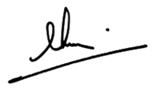
Daniel Chian
Chairman
30 October 2026
STRATEGIC REPORT
For the year ended 30 June 2026
Financial review
The Company was incorporated on 28 February 2024 and, on 1 July 2024, acquired two companies, Fairview Schools Berhad and Fairview International School Nusajaya Sdn Bhd which own and operate two private independent schools in Malaysia that offer the international baccalaureate programme. Fairview Schools Berhad is located in Kuala Lumpur, the capital of Malaysia, and Fairview International School Nusajaya Sdn Bhd is located in the southern state of Johor close to the border with Singapore. These schools trade under the Fairview brand which was created in 1978. The school in Kuala Lumpur is the largest school that uses the Fairview brand, whilst the school in Johor was acquired as it focuses on the expatriate market in Singapore and so is more internationally focused than the remaining schools which are more focused on the domestic Malaysian market.
The Company achieved consolidated revenue in the year ended 30 June 2026 of approximately £5.99million (2025: £5.34m) from its two schools representing an annual increase of 12.2%. The consolidated operating profit achieved in the year ended 30 June 2026 was 3.67million (2025: £2.96m). Total student enrolment was 737 in the year ended 30 June 2026, compared with 694 in the previous financial year, an increase of approximately 6%.
The key performance indicators used by the Directors during the year to assess the Company's trading and financial position are described on the page 36.
Fairview's balance sheet included cash of £151,000 at the year-end (2025 : £163,000) and the Group is carrying £10.6 million of debt secured on the real estate of the business (2025: £11.7million).
|
Section 172(1) Statement
In accordance with the Companies Act 2006 (as amended by the Companies (Miscellaneous Reporting) Regulations 2018) the Directors set out below how they have had regard to the requirements of section 172(1) of the regulations. The requirements of s172 are for the Directors to: ● Consider the likely consequences of any decision in the long term, ● Act fairly between the members of the Company, ● Maintain a reputation for high standards of business conduct, ● Consider the interests of the Company's employees, ● Foster the Company's relationships with suppliers, customers and others, and ● Consider the impact of the Company's operations on the community and the environment. The following paragraphs summarise how the Directors fulfil their duties:
The Directors have acted in a way that they considered, in good faith, to be most likely to promote the success of the Company for the benefit of its stakeholders. The Directors ensure that the Annual Report disclosures give a fair, balanced and understandable assessment of the Company's position and prospects.
The Company's members are kept informed, through detailed announcements, shareholder meetings and financial communications of the Board's broad and specific intentions and the rationale for its decisions. The Board recognises its responsibility for setting and maintaining a high standard of behaviour and business conduct. There is no special treatment for any group of shareholders, and all material information is disseminated through appropriate channels and available to all through the Company's news releases and website.
The Company is committed to being a responsible business.
Set out below is information about Fairview's key stakeholder groups, explaining how we engage and strive to develop collaborative relationships.
To demonstrate the decision-making process and how the Directors have considered the matters in section 172(1) of the Act when making those decisions, the table below includes some examples of decisions made during the course of the year, the stakeholders impacted, points considered and the outcome of the decisions. The Board's actions and activities have continued to flow from (and support) Fairview's longer-term strategic planning direction.
The Board has identified the following key stakeholders in respect of the year under review: Shareholders, Lenders, Parents, Students, Suppliers, Regulatory Bodies and Employees.
Shareholders
Fairview aims to generate value for shareholders by delivering sustainable growth and articulating a clear corporate strategy to shareholders in a way that is easy to understand. The Company emphasises and values personal contact and individual dialogue, with a significant time for shareholder meetings.
Management engages with Fairview's larger shareholders periodically to ensure that its long-term strategy is aligned with their interests and to explain how it aims to deliver sustainable growth and maximise the growth potential of the business. On page 24 there is set out in further detail how the Company complies with principle 3 of the QCA (meeting shareholder needs and expectations).
Lenders
Fairview aims to safeguard the funds provided by lenders by running the Company on a prudent and realistic basis that ensures that the business operates within its working capital facilities at all times.
Parents and Students
A key measure of Fairview's success is the number of student enrolments. This is a direct function of revenue but also an indication of the reputation of the Company's schools and the quality of its educational results, which are outstanding by any measure, and have been for many years. The Board uses these educational statistics in its assessment of the Company's performance and the management devote a considerable part of their time, either directly or through the use of agents, to continuously develop the student base.
Supplier
Long-term partnerships, with consistently reliable suppliers that comply with all applicable trading standards, meet the Company's agreed service levels, and help it to achieve its corporate objectives are important to the Company, and Fairview continues to work to develop these ongoing relationships. Its supplier selection process is rigorously reviewed by the Chairman and the senior management team on a regular basis. Fairview seeks to ensure that each supplier adheres to appropriate standards of trade and, wherever possible, it implements and monitors service levels.
Fairview is opposed to slavery and human trafficking within its operations and the supply chain it utilises and will not knowingly support or do business with any organisation involved in slavery or human trafficking.
Tax policy
Fairview has a clear tax strategy that guides its approach to tax payments and underpins its values as an organisation. The Company believes in acting with integrity, honesty and transparency to ensure that the organisation is correctly calculating tax payments, interpreting the tax rules in good faith and paying monies in a timely manner as required. The organisation secures tax advice as required to inform its approach and taxation calculations and will take additional expert advice if required to ensure that these payments are accurate. The Board is informed and supports the organisation's tax strategy and approach.
Regulatory and industry bodies
Fairview's schools require licences from the Malaysian Ministry of Education under the Education Act 1996 of Malaysia, as well as accreditations from the IB Organisation in order to hold themselves out as IB World Schools offering an International Baccalaureate programme. The loss of any such licence from Malaysian Ministry of Education would prevent Fairview from operating the schools it owns.
Fairview works to ensure that the Company attains a high standard of corporate governance and to ensure that the Company's ongoing monitoring, training and compliance procedures meet good practice. It aims for its business practices to provide a solid foundation for sustainable growth. It is in regular dialogue with several industry bodies and the management attends several conferences and seminars during the year.
On page 24 it is set out in further detail on how the Company complies with principle 4 of the QCA (how it considers wider stakeholder and social responsibilities).
People, Teachers and Other Employees
Fairview has a very clear strategy to treat its People, its Teachers and other Employees with utmost respect and fairness irrespective of the circumstances.
The Directors of Fairview confirm that they have carried out a robust assessment of the principal risks faced by the Company, including those that would threaten its business model, future performance, solvency, or liquidity. The principal risks and uncertainties, for both the Company's former operations and its new strategy, are as follows:
Principal risks and uncertainties
|
For the year ended 30 June 2026
The Directors of Fairview International PLC (the "Company") present their annual report and audited consolidated financial statements of the Group for the year ended 30 June 2026.
Principal activity
The Company was established to acquire two companies which own and operate two private independent schools in Malaysia that offer the international baccalaureate programme. One of these schools, Fairview KL, is located in Kuala Lumpur, the capital of Malaysia, and the other, Fairview Johor, is located in the southern state of Johor close to the border with Singapore. These schools trade under the Fairview brand which was created in 1978. There are three Fairview branded schools not owned by the Group and which operate independently from the Group but use the Fairview brand under licence from the Company, accessing the resources of the Fairview International Schools Network. The Company acquired the school in Kuala Lumpur as it is the largest school that uses the Fairview brand and considered the flagship, whilst the school in Johor was acquired as it focuses on the expatriate market in Singapore and so is more internationally focused than the remaining schools which are more focused on the domestic Malaysian market.
Results and dividends
Details are given in the preceding Financial Review. No dividend has been paid during the year nor do the Directors recommend the payment of a final dividend (2025: no dividends were proposed or paid). The Directors expect to adopt a progressive dividend policy once the initial stage of development has been achieved.
Directors
The Directors of the Company who have served during the period and to the date of this report were:
|
Directors |
|
Appointed |
|
Ngook For Chian (known as Daniel Chian) |
Chairman |
28 February 2024 |
|
Lim Hun Soon (known as David Lim) |
Non-Executive Director |
23 May 2024 |
|
Jeffrey Raymond Beard |
Non-Executive Director |
23 May 2024 |
|
Maurice James Malcolm Groat |
Non-Executive Director |
11 October 2024 |
|
Robin Stevens |
Non-Executive Director |
11 October 2024 |
Details of the Directors' interests in the shares in the Company are set out in the Directors' Remuneration Report on page 47.
Directors' indemnities
The Group has granted an indemnity to its directors under the company's Articles of Association to the extent permitted by the Companies Act 2006. The indemnity covers liabilities arising from the conduct of the company's business, excluding those resulting from a director's own negligence, default, breach of duty, or breach of trust. The Company also maintains directors' and officers' liability insurance, which provides appropriate cover for all directors and officers of the company.
Chairman's Introduction
Fairview International PLC ("Fairview" or the "Company) operates independent schools in Malaysia. The Board ensures that the Company is managed for the long-term benefit of all shareholders, with corporate governance being an essential part of this. The Board is committed to the principles of good corporate governance and to maintaining high standards and best practice of corporate governance.
Fairview aims to conduct its business in an open, honest and ethical manner. The Board is accountable to shareholders for good corporate governance and has adopted the procedures set out below in this regard.
The directors also note that companies are increasingly encouraged to provide details on their website and in their annual report of the recognised corporate governance code that the Company has decided to apply, how it complies with that QCA Code and, where it departs from this an explanation of the reasons for doing so. To the extent that Fairview departs from any of the provisions of the QCA Code it will endeavour to provide details on its website or otherwise, and as appropriate. The Chairman is responsible for leading the Board to ensure that Fairview has in place the strategy, people, structure and culture to deliver value to shareholders and other stakeholders of the Company over the medium to long term. The Board is conscious that the corporate governance environment is constantly evolving and the charters and policies under which it operates its business continue to be monitored and amended from time to time.
The QCA Code is based on ten principles that focus on the pursuit of medium to long term value for shareholders. The QCA has stated what it considers to be appropriate arrangements for growing companies and asks companies to provide an explanation about how they are meeting the principles through the prescribed disclosures. The directors have considered how we apply each principle to the extent that the Board judges these to be appropriate in view of the Company's size, strategy, resources and stage of development, and below have provided an explanation of the approach taken in relation to each.
The Board considers that the Company has complied with all material provisions of the QCA Code during the year, carrying out its own assessment of the Board's performance. We undertake annual reviews on our compliance with the QCA Code and our corporate governance statement is published on the Company's website: www.fairviewplc.uk.
Daniel Chian
Chairman
Principle 1: Establish a purpose, strategy and business model which promote long-term value for shareholders
The Board has set out the vision for Fairview for the short to medium term. The Board is responsible for formulating, reviewing and approving the Company's strategy, budgets and corporate actions. The Company holds Board meetings at least six times each financial year and at various other times, as and when required. The Company's business model and strategy is reviewed and updated on a regular basis and in line with the growth and development of Fairview.
Risk assessment and evaluation is an essential part of the Company's planning and an important aspect of the Company's internal control system. The Company strives to develop strong working relationships with its partners and suppliers in its various operating locations to manage and mitigate the operational risks.
We are committed to operating a sustainable business and plan to incorporate Environmental, Social and Governance aspects into all future opportunities reviewed.
Principle 2: Promote a corporate culture that is based on ethical values and behaviours
The Board seeks to embody and promote a corporate culture that is based on sound ethical values and behaviours, something we see as being a cornerstone to a strong risk management programme.
a) Code of conduct
The Board acknowledges the need for continued maintenance of the highest standard of corporate governance practice and ethical conduct by all directors and employees of the Company.
The Board will evaluate and approve a code of conduct for directors, officers, employees and contractors, which describes the standards of ethical behaviour that are required to be maintained. The Company also plans to actively promote the open communication of unethical behaviour within the organisation.
Compliance with the code of conduct is envisaged as assisting the Company in effectively managing its operating risks and meeting its legal and compliance obligations as well as enhancing the Company's corporate reputation.
The code of conduct describes the Company's requirements on matters such as confidentiality, conflicts of interest, use of Company information, employment practices, compliance with laws and regulations and the protection and safeguarding of the Company's assets.
An employee who breaches the code of conduct may face disciplinary action. If an employee suspects that a breach of the code of conduct has occurred or will occur, he or she must report that breach to the Chairman or Chairman of the Audit Committee, via a confidential "Whistle Blowing" process. No employee will be disadvantaged or prejudiced if he or she reports in good faith a suspected breach. All reports will be investigated, acted upon and kept confidential.
b) Creating a fair and inclusive culture
The Company promotes an inclusive, transparent and respectful culture. It recognises that its people are our greatest asset. Led by the values of responsibility, excellence and continuous improvement, integrity and trustworthiness, cooperation and engagement, empathy and fairness they apply their skills and expertise every day to ensure we operate both responsibly and successfully. A culture based upon sound ethical values and behaviours is an asset and source of competitive advantage. Key to this is recruiting and retaining key senior personnel.
The Company is an equal opportunity employer and seeks to hire, endorse and retain highly skilled people based on merit, competence, performance, and business needs. The Company is committed to employment policies which follow best practice, based on equal opportunities for all employees, irrespective of ethnic origin, religion, political opinion, gender, marital status, disability, age or sexual orientation.
c) Anti-bribery and anti-corruption
The Company has adopted an anti-corruption and bribery policy which will apply to the Board and employees of the Company. It will set out their responsibilities in observing and upholding a zero-tolerance position on bribery and corruption in all the jurisdictions in which the Company operates. It will also provide guidance to those working for the Company on how to recognise and deal with bribery and corruption issues and the potential consequences of failing to adhere to this guidance. The Company expects all employees, suppliers, contractors and consultants to conduct their day-to-day business activities in a fair, honest and ethical manner, be aware of and refer to this policy in all of their business activities worldwide and to conduct business on the Company's behalf in compliance with it. Management at all levels are responsible for ensuring that those reporting to them, internally and externally, are made aware of and understand this policy.
The Company takes a zero-tolerance approach to acts of bribery and corruption by any directors, officers, employees and contractors. The Company will not offer, give or receive bribes, or accept improper payments to obtain new business, retain existing business or secure any advantage and will not permit others to do so on its behalf.
d) Dealings with company securities
The Company's Share Dealing Policy is binding on all directors, officers and employees who are in possession of "inside information". All such persons are prohibited from trading in the Company's securities if they are in possession of 'inside information'. Subject to this condition and trading prohibitions applying to certain periods, trading is permissible provided the relevant individual has received the appropriate prescribed clearance. The Board considers that the share dealing code is in compliance with the Market Abuse Regulations ("MAR") and London Stock Exchange requirements and continues to meet the requirements of the Board.
e) Health and Safety Policy
The Company's objectives include observing the highest level of health and safety standards, developing its staff to their highest potential and being a good corporate citizen in our chosen countries of operations.
The Company is committed to providing a safe working environment for its employees and anyone doing work on the Company's behalf. The Board reviews and makes recommendations concerning risk, health and safety issues. The safety of Fairview's employees are principal elements of its business and are fundamental to the Company's culture and engagement with its stakeholders. Health and safety is routinely covered at Board meetings during discussions on operations.
Principle 3: Seek to understand and meet shareholder needs and expectations
Fairview has established a Board with experience in understanding the needs and expectations of its shareholder base. It supplements this with professional advisers including public relations, corporate/financial adviser, legal counsel and brokers who provide advice and recommendations in various areas of its communications with shareholders.
The Company's Chairman is responsible for shareholder liaison. He holds regular meetings with major shareholders to maintain a dialogue between the Company and its investors. Private investor events and investor roadshows may be organised by the Company's brokers and public relations consultants, where the Chairman and at times other Directors meet with current (and potential future) shareholders and brokers to update them on the Company's progress. Despite the end of COVID-19 restrictions, many meetings continue to be held via video-conferencing.
The entire Board receives feedback following these meetings and any issues raised are discussed. By keeping open and transparent dialogue we can consider matters and discuss with shareholders in a positive and constructive way.
The Non‐Executive Directors are available to meet with shareholders if required.
The Annual General Meeting (AGM) will be the main forum for dialogue between the Board and the shareholders. All Directors will aim to attend the AGM.
All Directors receive regular industry and peer updates, to enable them to keep current on issues relevant to the Company and its shareholders.
Fairview also engages with its shareholders through its website, which is designed to be a hub to provide information to shareholders, and via the posting of regular updates to the market on the Regulatory News Service.
Principle 4: Take into account wider stakeholder interests, including social and environmental responsibilities, and their implications for long-term success
Key resources and relationships on which the business will come to rely include its students, workforce, suppliers, shareholders, local community and elements of the regulatory framework.
The Company's employees are one of the most important stakeholder groups and the Board recognises the need for two‐way communication with the workforce. The small size of the Company means that the Directors and senior managers are relatively accessible to all employees to provide and receive feedback.
Fairview respects, values and welcomes diversity in our workforce. Fairview complies with all applicable laws and provides equal employment opportunities for all applicants and employees. It is also important to us to provide our employees with appropriate training and development to ensure they are enabled to carry out their responsibilities to the highest standards. This is embodied in our Employee Handbook.
Fairview ensures that it conducts business with its suppliers, and all stakeholders that are involved or affected by its business, according to rigorous ethical, professional and legal standards with fairness and integrity. This is embodied in our Anti-Corruption and Bribery Policy. Feedback from potential business partners and their customers is at present informal. The Company will contact customers, on an ad hoc basis, and it will provide verbal feedback where necessary to the Board.
Fairview recognises its responsibilities to the environment and community in the areas in which it operates. The Company places a high priority on operating to high standards of integrity and ethics and operates in a socially responsible manner. Fairview will undertake a programme of continuous improvement to minimise any direct or indirect environmental impacts that may be associated with its business.
Principle 5: Embed effective risk management, internal controls and assurance activities, considering both opportunities and threats, throughout the organisation
Fairview recognises that risk is inherent in all of its business activities. Its risks can have a financial, operational or reputational impact.
The Company's system of risk identification, supported by established governance controls, is being developed in such a way that it will direct the Company on how it responds to the identified risks, whilst acting ethically and with integrity for the benefit of all its stakeholders.
The Company's key internal controls procedures are being developed to include, amongst others:
● Prioritised risk register - risks will be evaluated to establish root causes, financial and non-financial impacts and likelihood of occurrence. Consideration of risk impact and likelihood will also be taken into account to determine which of the risks should be considered as a principal risk. The effectiveness and adequacy of mitigating controls will then be assessed accordingly. If additional controls are required, these are identified, and responsibilities assigned. The Company's Board will be responsible for monitoring the progress of actions to mitigate key risks. Key risks will be formally reported to, and reviewed by, the Audit and Risk Committee and at least once a year to the full Board;
● Preparation of annual cash flow projections for approval by the Board and ongoing review of expenditure and cash flows;
● Establishment of appropriate cash flow management and treasury policies for the management of liquidity, currency and credit risk on assets and liabilities;
● Regular management meetings to review operating and financial activities; and
● Recruitment of appropriately qualified and experienced staff to key positions.
Principle 6: Establish and maintain the Board as a well-functioning, balanced team led by the Chair
The Board currently comprises of its Chairman and four non-executive directors. The Board considers all of its non-executive directors to be independent.
The Company has constituted the following committees, each with formally delegated duties and responsibilities set out in respective written terms of reference:
● Audit and Risk Committee; and
● Remuneration Committee; and
● Nomination Committee.
Malcolm Groat chairs the Audit and Risk Committee, David Lim chairs the Remuneration Committee and Jeffrey Beard chairs the Nomination Committee.
The Board is responsible for the overall leadership and effective management of the Company, setting the Company's values and standards, and ensuring maintenance of a sound system of internal control and risk management. The Board is also responsible for approving Company policy and its strategic aims and objectives as well as approving the annual operating and capital expenditure budgets. The Board supports the concept of an effective Board leading and controlling the Company and believes that its members have a well-established culture of strong corporate governance and internal controls that are appropriate and proportional to the Company's culture, size, complexity and risk.
All directors bring a wide range of skills and international experience to the Board, which holds meetings on a regular and continuous basis. The Chairman is primarily responsible for the workings of the Board, while the Chairman is primarily responsible for the running of the business and implementation of the Board strategy and policy. The Chairman is assisted in the managing of the business on a day-to-day basis by the Board and the Company's key advisers.
The Board has a formal schedule of regular meetings where it approves major decisions and utilises its expertise to advise and influence the business. The Board will meet on other occasions as and when the business demands.
Board meeting attendance
|
|
Maximum possible attendance |
Meetings attended |
|
D Chian |
6 |
6 |
|
D Lim |
6 |
6 |
|
M Groat |
6 |
5 |
|
J Beard |
6 |
5 |
|
R Stevens |
6 |
6 |
The table above covers meetings from 1 July 2025 to 30 June 2026.
The Board is supplied with appropriate and timely information in order to discharge its duties. The Board and its committees are supplied with full and timely information, including detailed financial information, to enable the directors to discharge their responsibilities. All directors have access to the advice and services of the company secretary, who is responsible for ensuring that Board procedures are followed, and that applicable rules and regulations are complied with. Independent professional advice is also available to directors in appropriate circumstances.
It is the responsibility of the Chairman and the company secretary to ensure that Board members receive sufficient and timely information regarding corporate and business issues to enable them to discharge their duties.
A detailed agenda is established for each scheduled meeting and appropriate documentation is provided to directors in advance of the meeting. Regular Board meetings provide an agenda that will include reports from the Chairman, reports on the performance of the business and current trading, and specific proposals where the approval of the Board is sought.
In accordance with the Company's Articles of Association, at every annual general meeting one third of the directors for the time being or, if their number is not a multiple of three, the number nearest to but not exceeding one third, will retire from office and offer themselves for reappointment by the members. The directors to retire by rotation shall be those who have been longest in office since their last appointment or reappointment by a general meeting, but for persons who were last appointed or reappointed on the same day, those to retire shall be decided by lot.
It is the responsibility of the Chairman and the company secretary to ensure that Board members receive sufficient and timely information regarding corporate and business issues to enable them to discharge their duties.
The Chairman
The Chairman leads the Board, ensuring constructive communications between Board members and that all directors are able to play a full part in the activities of the Company. He is responsible for setting Board agendas and ensuring that Board meetings are effective and that all directors receive accurate, timely and clear information.
The Chairman also supports the COO and other members of the management in the effective communication with shareholders and ensures that the Board understands the views of major investors and is available to provide advice and support to members of the executive team.
Non-executive directors
There are currently four non-executive directors. The role of the non-executive directors is to understand the Company in its entirety and constructively challenge strategy and management performance, set executive remuneration levels and ensure an appropriate succession planning strategy is in place. They must also ensure they are satisfied with the accuracy of financial information and that thorough risk management processes are in place. The non-executive directors also assist the Board with issues such as governance, internal control, remuneration and risk management. No independent non-executive directors are anticipated to participate in any share option plans put in place by the Company.
Effectiveness
a) Composition of the Board
The Board consists of five directors (including the Chairman). Each year the Board will consider the independence and performance of each non-executive director and will keep the market updated in accordance with the Code. The Board considers all of its non-executive directors to be independent as they are not involved in any executive capacity, have no other or material business relationships with the Company, have no material financial interest in the Company and have no close family or other business relationships with the Company or any of its directors.
Non-executive directors are appointed for an initial term of one year.
To ensure that they clearly understand the requirements of their role the Company has a letter of appointment in place with each non-executive director. Employment contracts will also be entered into with any executive directors and/or senior executives as and when appropriate and so that they can clearly understand the requirements of the role and what is expected of them.
b) Commitment
Each director commits sufficient time to fulfil their duties and obligations to the Board and the Company. They attend Board meetings and join ad hoc Board calls and offer availability for consultation when needed. The contractual arrangements between the directors and the Company specify the minimum time commitments which are considered sufficient for the proper discharge of their duties. However, all Board members appreciate the need to commit additional time to the Company as and when required.
Non-executive directors are required to disclose prior appointments and other significant commitments to the Board and are required to inform the Board of any changes to their additional commitments.
Before accepting new appointments, non-executive directors are required to obtain approval from the Chairman. It is essential that no appointment causes a conflict of interest or impacts on the non-executive director's commitment and time spent with the Company in their existing appointment.
Details of executive directors' service contracts and of the Chairman's and the non-executive directors' appointment letters are available for inspection at the Company's registered office during normal business hours and can be made available at the AGM, on request.
c) Development
All newly appointed directors are provided with an induction programme which is tailored to their existing skills and experience, legal update on directors' duties and one on one meetings with the other members of the Board and management team. The Board is informed of any material changes to governance, laws and regulations affecting the Company's business.
d) Information and support
All directors have access to the advice and services of the company secretary and each director, and each Board committee member may take independent professional advice at the Company's expense, subject to approval and prior notification being given to the other non-executive directors and the company secretary.
The appointment and removal of the company secretary is a matter for the Board as a whole. The company secretary is accountable directly to the Board through the Chairman.
Principle 7: Maintain appropriate governance structures and ensure that individually and collectively the directors have the necessary up-to-date experience, skills and capabilities
The Board has been assembled to allow each director to contribute the necessary mix of experience, skills and personal qualities to deliver the strategy of the Company for the benefit of the shareholders over the medium to long term.
The Board is satisfied that it has the necessary experience, skills and capability to discharge its duties. All Directors receive regular and timely information on both the Company's operational and financial performance. Information is circulated to the Director's in advance of meetings. Service agreements for the Executive Directors and letters of appointment for the Non-Executive Directors are available for inspection at the Company's head office and at the annual general meeting.
The Board considers and reviews the requirement for continued professional development. The directors keep their skillsets up to date as required through the range of roles they perform with other companies and consideration of technical and industry updates by external advisers. The directors receive regular briefing papers on the operational and financial performance of the Company from the executives and senior management.
The Non-Executive Directors act as a sounding board for the Chair and are available as a trusted intermediary for each other. The Company Secretary's responsibilities include providing clear and timely information to the Board and providing advice and support to the Board on legal matters as well as corporate governance and risk.
The biographies of each of the Directors, including their experience and skills, are available on the Company's website and in the Company's latest Annual Report.
Principle 8: Evaluate Board performance based on clear and relevant objectives, seeking continuous improvement
a) Appointments to the Board
The Company has appointed a Nomination Committee.
The Committee is responsible for maintaining a Board of directors that is as diverse as possible, and that has an appropriate mix of skills, experience and knowledge to be an effective decision-making body, ensuring that the Board is comprised of directors who contribute to the successful management of the Company and discharge their duties having regard to the law and the highest standards of corporate governance, considering and recommending Board candidates for election or re-election and reviewing succession planning.
The Nomination Committee plans to undertake a detailed selection process as per the Company's recruitment and diversity standards (as set out in its Employee Handbook) to appoint or re-appoint a director to the Board. Included in this process are appropriate reference checks which include but not limited to character reference and bankruptcy to ensure that the Board remains appropriate for that of a UK quoted company.
b) Evaluation of senior executives
Arrangements that are planned to be put in place by the Board, to monitor the performance of the Company's executives, include:
● A review by the Board of the Company's financial performance;
● Annual performance appraisal meetings incorporating analysis of key performance indicators with each individual to ensure that the level of reward is aligned with respective responsibilities and individual contributions made to the success of the Company;
● An analysis of the Company's prospects and projects; and
● A review of feedback obtained from third parties, including advisers (where applicable).
Informal evaluations of senior persons' individual performance and overall business measures are undertaken progressively and periodically throughout the financial year.
The Board is aware that the Code recommends that the Board and its committees are evaluated on a yearly basis and, during the year, the Chairman organises for the Directors to carry out their own assessment of the Board's performance.
Principle 9: Establish a remuneration policy which is supportive of long-term value creation and the company's purpose, strategy and culture
Fairview has in place, and published alongside the Directors' Remuneration Report, a Remuneration Policy covering the Executive and Non-Executive Directors. This has been reviewed annually by the Board to ensure that it reflects good market practice and is aligned with Fairview's strategy, culture and purpose.
In setting performance-related pay targets and performance conditions and levels of remuneration for Executive Directors, Fairview has had regard to shareholder preferred positions. The Directors' Remuneration Report sets out clearly how the Remuneration Policy has been implemented each year and the rationale for those decisions.
Principle 10: Communicate how the company is governed and is performing by maintaining a dialogue with shareholders and other key stakeholders
a) Dialogue with shareholders
The Company places considerable importance on effective communications with shareholders.
The Company's communication strategy requires communication with shareholders and other stakeholders in an open, regular and timely manner so that the market has sufficient information to make informed investment decisions on the operations and results of the Company. The strategy provides for the use of systems that ensure a regular and timely release of information about the Company is provided to shareholders.
The Company also posts all reports, stock exchange announcements and media releases and copies of significant business presentations on the Company's website.
b) Constructive use of the AGM
The Board encourages full participation of shareholders at the AGM to ensure a high level of accountability and understanding of the Company's strategy and goals. The Company provides information in the notice of meeting that is presented in a clear, concise and effective manner. Shareholders are provided with the opportunity at general meetings to ask questions in relation to each resolution before they are put to the vote and discussion is encouraged by the Board.
Directors are usually available at and following general meetings when shareholders have the opportunity to ask questions on the business of the meeting. Specifically, the Chairman of the Audit Committee and the Chairman of the Remuneration Committee are available in person or by conference call at the AGM to answer questions from shareholders.
Other governance matters
a) Diversity policy
The Company is committed to an inclusive workplace that embraces and promotes diversity. It is the responsibility of all directors, officers, employees and contractors to comply with the Company's diversity policy and report violations or suspected violations in accordance with this diversity policy.
The Company recognises the value of a diverse work force and believes that diversity supports all employees reaching their full potential, improves business decisions, business results, increases stakeholder satisfaction and promotes realisation of the Company's vision.
Diversity may result from a range of factors including but not limited to gender, age, ethnicity and cultural backgrounds. The Company believes these differences between people add to the collective skills and experience of the Company and ensure it benefits by selecting from all available talent.
b) Company and individual expectations
The Company recognises its own and individual expectations to:
● Ensure diversity is incorporated into the behaviours and practices of the Company;
● Facilitate equal employment opportunities based on job requirements only using recruitment and selection processes which ensures we select from a diverse pool;
● Engage professional search and recruitment firms when needed to enhance our selection pool;
● Help to build a safe work environment by acting with care and respect at all times, ensuring there is no discrimination, harassment, bullying, victimisation, vilification or exploitation of individuals or groups;
● Develop flexible work practices to meet the differing needs of our employees and potential employees;
● Attract and retain a skilled and diverse workforce as an employer of choice;
● Enhance customer service and market reputation through a workforce that respects and reflects the diversity of our stakeholders and communities that we operate in;
● Make a contribution to the economic, social and educational well‐being of all of the communities it serves;
● Meet the relevant requirements of domestic and international legislation appropriate to the Company's operations;
● Create an inclusive workplace culture; and
● Establish measurable diversity objectives and monitor and report on the achievement of those objectives annually.
c) Market disclosure
The Company is subject to parallel obligations under the London Stock Rules and MAR, in relation to the disclosure and control of price sensitive information. The Company has obligations under corporate and securities laws and stock exchange rules to keep the market fully informed of information which may have a material effect on the price or value of Company's securities and to correct any material misrepresentation, mistake or misinformation in the market. The Company takes continuous disclosure seriously and requires that all of its directors, officers, employees and contractors observe and adhere to the Company's procedures and policies governing compliance with all laws pertaining to continuous disclosure, tipping off and insider trading.
The Company has established a formal Disclosure Policy to address its continuous disclosure obligations and arrangements. The objectives of the Disclosure Policy are to ensure that:
● The communications of the Company with the public are timely, factual and accurate and broadly disseminated in accordance with all applicable legal and regulatory requirements;
● Non-publicly disclosed information remains confidential; and
● Trading of the Company's securities by directors, officers and employees of the Company and its subsidiaries remains in compliance with applicable securities laws.
The Disclosure Policy will also provide advice to all directors, officers, employees and contractors of the Company of their responsibilities regarding their obligation to preserve the confidentiality of undisclosed material information while ensuring compliance with laws respecting timely, factual, complete and accurate continuous disclosure, price sensitive or material information, tipping off and insider trading. The Disclosure Policy will also cover disclosures in documents filed with the securities regulators and stock exchanges and written statements made in the Company's annual and half-yearly reports, news releases, letters to shareholders, presentations by senior management and information contained on Fairview's website and other electronic communications. It extends to oral statements made in meetings and telephone conversations with analysts and investors, interviews with the media as well as speeches, press conferences and conference calls.
If there is misuse of price sensitive or material information not yet disclosed to the market by trading or breach in confidentiality, extremely serious penalties may apply to the individual or individuals involved.
Board of Directors
The Board comprises of five Directors and further details of their experience is set out below. All of the Non-Executive Directors are considered to be independent.
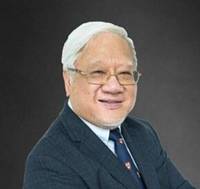 Daniel Chian - Chairman
Daniel Chian serves as the Chairman of the Governor's Council of the Fairview network of IB World Schools, bringing over 25 years of leadership to this role. As a Chartered Accountant, Mr. Chian has contributed significantly to the profession, having previously held positions as a member of the Executive Committee of the Confederation of Asia and Pacific Accountants (CAPA) for the professional bodies of 21 jurisdictions in the Asia and Pacific region, and as a council member of the Malaysian Institute of Accountants (MIA), a Statutory Regulatory Body in Malaysia. Additionally, he has represented the "Assessment of Professional Qualification" Task Force established by the United Nations UNCTAD and the World Bank prior to January 2000, contributing to the formulation of a methodology for assessing professional qualifications. Previously, he served as a Non-Executive Director and Audit Committee Chairman of a listed company on the Kuala Lumpur Stock Exchange (KLSE).
David Lim - Non-Executive Director
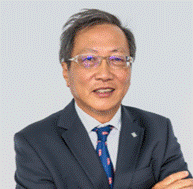 David Lim is a Chartered Accountant and distinguished corporate leader with extensive board and audit experience across several public listed and non-public listed companies.
He currently Chairman of the Company's Remuneration Committees, serves as an Independent Non-Executive Director (INED) and Audit Committee Chairman of Press Metal Aluminium Holdings Berhad, and Chairman of both Kawan Food Berhad and TSA Group Berhad. He is also an INED of Kossan Rubber Industries Berhad.
David is an INED of Public Investment Bank Berhad and Malaysia Rating Corporation Berhad (MARC), and Chairman of Rockwills Trustee Berhad, which are non-public listed companies.
David is a member of the Institute of Chartered Accountants in England and Wales (ICAEW), the Chartered Institute of Taxation (UK), the Malaysian Institute of Accountants (MIA), and the Malaysian Institute of Certified Public Accountants (MICPA). He has the distinction of being the first Malaysian to be appointed to serve on the ICAEW Council, representing Malaysia for the duration 2013-2019.
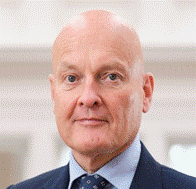 Malcolm Groat - Non-Executive Director
Malcolm Groat is an experienced consultant in the technology, natural resources, and private equity sectors. His professional career began at PwC in London, after which he assumed roles such as CFO, COO and CEO at established corporations, including the present-day Arcadis, a well-known construction firm. Since 2004, Malcolm has served in non-executive director and chairman capacities, presently serving at AIM-quoted Tomco Energy, and at GS Technologies, listed in London. His affiliations include being a Fellow of the Institute of Directors and the Institute of Chartered Accountants in England and Wales. Malcolm's academic qualifications include degrees from St Andrews (MA) and Warwick (MBA). He is Chairman of the Company's Audit and Risk Committee, serves as a Trustee of the UK-based Royal Society for Public Health and as a Governor as the Arts University of Bournemouth.
 Jeffrey Beard - Non-Executive Director
Jeffrey R. Beard is a seasoned international executive with two graduate degrees including an MBA from the University of Wisconsin. His extensive first career in multinational corporations has equipped him with cross-functional management expertise and a comprehensive understanding of strategic planning and delivery. In his second career as former Director General (CEO) of the International Baccalaureate Organization (IBO), he led global expansion efforts, doubling revenues and scaling operations across 3,500+ schools in over 140 countries. He brings 30+ years of experience in both the business and education sectors, with deep expertise in strategic growth, board governance, and operational excellence. As an Independent Director of the Company and Chair of its Education Committee, Mr. Beard provides valuable insights into both the academic and commercial dimensions of delivering high-quality international education efficiently at scale.
 Robin Stevens - Non-Executive Director
Robin Stevens is a Chartered Accountant and Non-Executive Director of AIM listed Hercules Plc and Marechale Capital Plc, and Non-Executive Director of Annica Holdings Limited, listed on the Catalist Market of the Singapore Stock Exchange. He was formerly an audit and corporate finance partner, and Head of Capital Markets, of Crowe UK LLP, having held senior corporate finance and audit partner positions with Mazars LLP and MRI Moores Rowland LLP.
Robin has had an extensive career in corporate finance including corporate advisory and reporting assignments, raising capital, management buyouts, capital reconstructions, and pre-flotation planning. He has also advised on acquisitions and disposals by public and private companies as well as many IPOs and secondary offerings in the UK and overseas. He also presents on capital markets and corporate finance issues to international audiences on a regular basis. Robin is also Deputy lead Governor of Cambridge University Health Trust, and Chairman of Cambridge University Health Partners Forum.
Audit and Risk Committee
The Audit and Risk Committee assists the Board in, amongst other matters, discharging its responsibilities with regard to financial reporting, external and internal audits and controls, including reviewing the Company's annual financial statements, reviewing and monitoring the extent of non-audit work undertaken by external auditors, advising on the appointment, reappointment, removal and independence of external auditors, and reviewing the effectiveness of the Company's internal audit activities, internal controls and risk management systems. The ultimate responsibility for reviewing and approving the annual report and accounts and the half-yearly reports remains with the Board.
The Audit and Risk Committee is also responsible for:
(i) advising the Board on the Company's risk strategy, risk policies and current risk exposures;
(ii) overseeing the implementation and maintenance of the overall risk management framework and systems;
(iii) reviewing the Company's risk assessment processes and capability to identify and manage new risks; and
(iv) monitoring potential and actual changes to legislation, especially around the Company's production.
The Audit and Risk Committee meets with appropriate employees of the Company at least once annually. The membership of the Audit and Risk Committee comprises Malcolm Groat (as its Chairman), David Lim, and Jeffrey Beard.
The Audit and Risk Committee meets formally three times a year at appropriate intervals in the financial reporting and audit cycle and otherwise as required.
Audit and Risk Committee report for the year ended 30 June 2026
Key matters considered in relation to the financial statements
The Audit and Risk Committee reviewed the planning of the 2026 audit and the annual report. The matters set out below reflect the overall work of the Committee during these changes. With regard to the Company's financial statements, the Committee focused on a number of key judgements and reporting issues in the preparation of the full year results and the annual report. In particular, the Committee considered, discussed and where appropriate raised challenges in the areas set out below:
● Approval of the half-year results issued in March 2026 and the previous full-year audited results issued in October 2025, and the audit planning and completion for FY26;
● Assessment of the key estimates and adjustments used in respect of the half- and full-year results;
● The appropriateness and clarity of the key accounting policies;
● Review of the process for identifying and managing risk with a full review of the principal risks and how they are managed in October 2026;
● The clarity of the disclosures and compliance with financial reporting standards and relevant financial and governance reporting requirements;
● Review of business continuity and crisis management planning;
● Verification of the independence of the external auditor, approval of the scope of the audit plan and the audit fee, and review of the external auditor's audit findings;
● Review of fraud and Bribery Act controls and cyber security;
● Review of supplier payment practices and customer credit management;
● Receipt of internal management accounts;
● Approval of the Audit and Risk Committee Report;
● Annual review of committee terms of reference, policy on use of auditors for non-audit services, and auditor rotation policy (every 5 years); and
● A formal review of committee effectiveness is planned.
The Audit and Risk Committee received and considered memoranda from the Company's management team regarding these matters who had discussed these with the external auditor.
It is a requirement that the annual report, taken as a whole, is fair, balanced and understandable and provides the information necessary for shareholders to assess the Company's position and performance, business model and strategy.
The Committee believes that the disclosures set out in the annual report provide the information necessary for shareholders to assess the Company's position and performance, business model and strategy.
Auditor appointment and independence
During the year, the Committee approved MCA Audit Limited's terms of engagement, scope of work and the process for the annual audit. It also reviewed and agreed the audit fee proposals. The Committee has and will continue to assess the independence, tenure and quality of the external auditor at least once a year, in addition to requiring both verbal and written confirmation of the auditor's independence. MCA Audit Limited has confirmed that there are no relationships between themselves and the Company that could have a bearing on their independence.
Internal controls and risk management
The Audit and Risk Committee is responsible for the oversight of the Company's system of internal controls including the risk management framework. Details of the risk management framework are provided on pages 9 - 12. Management has identified the key operational and financial processes that exist within the business and has developed an internal control framework. This is structured around a number of Company policies and includes a delegated authority framework.
Three meetings of the Audit and Risk Committee were held during the year ended 30 June 2026 with all committee members attending on each occasion.
This report in its entirety has been approved by the Audit and Risk Committee.
Malcolm Groat
Audit and Risk Committee Chair
30 October 2026
Remuneration Committee
The Remuneration Committee, comprised of David Lim, Jeffrey Beard and Malcolm Groat, with David Lim as chair, is responsible for the review and recommendation of the scale and structure of remuneration for Directors and management, including any bonus arrangements or the award of Options under the Share Option Plan (and any other incentives) with due regard to the interests of Shareholders and the performance of the Company. The Remuneration Committee meets not less than once a year.
Nomination Committee
The Nomination Committee, comprised of David Lim, Jeffrey Beard and Malcolm Groat, with David Lim as chair, and will be responsible, amongst other things, for reviewing the structure, size and composition of the Board and ensuring that it is comprised of the right balance of skills, knowledge and experience, identifying and nominating for approval candidates to fill any vacancies on the Board as and when they arise, giving full consideration to succession planning for the Company and making recommendations as to the composition of the other committees of the Board. The Nomination Committee will meet this requirement in due course. The Nomination Committee meets not less than once a year.
Related Parties conflicts of interest and controlling shareholder
The Board recognises the importance of appropriate governance of related-party transactions, particularly in light of the concentration of the Company's ownership and the material related-party balances reported in the financial statements.
Daniel Chian has an indirect interest in 89.93% of the Company's issued ordinary share capital through Agodeus Sdn Bhd.
Related-party relationships and transactions are considered as part of the Group's financial-reporting and governance processes. Where a matter gives rise to an actual or potential conflict of interest, the Board's approach is that the nature of the interest should be identified and appropriately considered before the relevant matter is approved. Any discussion or decision-making forum that involves a potential transaction that has any financial or commercial connection with the wider Fairview Group, or its controlling shareholder, excludes Daniel Chian and involves only the independent non-executive directors.
The Board understands its responsibility to consider the interests of shareholders as a whole, including minority shareholders, when considering transactions or arrangements involving a controlling shareholder or other related party.
Business Review
The Companies Act 2006 requires the Directors to set out a fair review of the business of the Company during the year ended 30 June 2026, including an analysis of the position of the Group at the end of the year and a description of the principal risks and uncertainties facing the Group. This information includes a discussion of Key Performance Indicators that were used by the Directors during the year to monitor the Company's business which are:
● Student enrolments;
● Average fees;
● Overheads; and
● Cash levels.
Revenue in the year amounted to £5.99 million (2025 :£5.34 million) which the Directors consider to be satisfactory in the circumstances. This represents a 12% increase compared to the prior year and reflects the impact of higher average fees across the Company's two Malaysian schools. At the same time, Fairview has continued to manage operating and administrative costs carefully, leading to improved margins.
Total student enrolment was 737 in the year ended 30 June 2026, compared with 694 in the previous financial year, an increase of approximately 6%. New enrolments for the academic year ending 30 June 2026 are currently in line with expectations. The Company has increased its investment in marketing and recruitment, and anticipates continued gains as the academic year progresses. Coupled with sustained fee growth, this positions Fairview for ongoing expansion
Cash at the end of the year was £151,000 (2025 : £163,000)
Gender analysis
A split of our employees and Directors by gender at the year-end is shown below:
|
|
Male |
Female |
|
Directors |
5 |
0 |
|
Employees |
47 |
120 |
The Directors note that, due to the early-stage nature of the Company, they do not yet meet the board gender diversity targets as specified in the Listing Rules. However, the Directors recognise that, across the workforce as a whole, the Company overall has achieved a more than satisfactory diversity breakdown with 70% of its employees being female. Furthermore, two out of five members of the board are from a minority ethnic background (based on UK criteria) and the diversity target in this respect has been achieved.
Key management
The Directors consider that key management personnel are the Directors of Fairview International PLC.
Corporate social responsibility
Fairview conducts its business with honesty, integrity and openness, respecting human rights and the interests of its shareholders and employees. It aims to provide timely, regular and reliable information on the business to all shareholders and conduct operations to the highest standards. The Company strives to create a safe and healthy working environment for the wellbeing of its staff and students and to create a trusting and respectful environment, where all members of staff are encouraged to feel responsible for the reputation and performance of the Company. Fairview aims to establish a diverse and dynamic workforce with team players who have the experience and knowledge of the business operations and markets in which the Company operates. Through maintaining good communications, members of staff are encouraged to realise the objectives of the Company and their own potential.
Corporate environmental responsibility
The Company's policy is to minimise the risk of any adverse effect on the environment associated with its activities with a thoughtful consideration of such key areas as energy use, pollution, transport, renewable resources, health and wellbeing. The Company also aims to ensure that its suppliers and advisers meet with their legislative and regulatory requirements and that codes of best practice are met and exceeded.
Fairview recognises that its environmental impact extends beyond its direct operations. Where possible, the Company carefully selects suppliers and partners who demonstrate strong environmental credentials and compliance with regulatory requirements.
While its business model relies on third-party providers to some extent, the Company maintains oversight of the environmental impact of these operations.
The Company intends to develop more comprehensive systems to measure and report its environmental impact, enabling the Board to set meaningful targets for improvement and track its progress towards these goals. This includes monitoring our carbon footprint, waste generation, and resource usage across our value chain.
Fairview acknowledges that environmental responsibility requires ongoing commitment and continuous improvement. It remains dedicated to identifying and implementing new ways to reduce our environmental impact, whether through innovation, operational improvements or supply chain optimisation. Further information regarding the Group's carbon emissions can be found at page 52 of this report.
Task Force on Climate-Related Financial Disclosures (TCFD) Statement
As a public company operating schools and education facilities, the Company acknowledges its obligations under the Financial Conduct Authority's Listing Rule 6.6.6R regarding climate-related disclosures consistent with the recommendations of the Task Force on Climate-Related Financial Disclosures (TCFD). This statement provides a summary of the Group's current position with reference to the four TCFD pillars: Governance, Strategy, Risk Management, and Metrics and Targets. As a business operating in a highly regulated and evolving sector, our approach reflects the nature of our business, including the operation and maintenance of school buildings, transportation, energy use, supply chains, student and staff safety, and business continuity. Fairview's focus has been on building a stable and compliant operating model. It does, however, recognise the increasing importance of environmental factors and are committed to progressively enhancing its climate-related governance and disclosure practices over time.
Governance
The Board of Directors is responsible for overseeing climate-related risks and opportunities. Given the Company's size and the direct involvement of Board members in day-to-day operations, climate-related issues are monitored alongside other operational and regulatory matters. To date, climate-related risks have not formed a material part of the Board's formal consideration of strategy, budgets, performance objectives or capital expenditure. This is primarily due to the nature of the Company business.
Nonetheless, the Board remains mindful of the importance of aligning with climate goals. It has acknowledged that, as the business develops, more structured oversight mechanisms must be developed. These will include clear internal objectives, regular reviews, and progress tracking against climate-related performance indicators.
Strategy
The Group recognises that climate-related risks and opportunities will play a more prominent role in its future strategic and operational planning. The immediate impact of climate change on our operations is currently limited, we consider climate-related risks across our short-, medium-, and long-term planning horizons.
Relevant physical risks may include:
· Extreme heat affecting students, staff, and school facilities;
· Flooding, storms, wildfires, and other severe weather events;
· Water scarcity or disruption;
· Damage to buildings, equipment, and infrastructure; and
· Disruption to transportation, utilities, and school operations.
Relevant transition risks may include:
· Changes in climate-related laws and regulations;
· Increasing energy and operating costs;
· Requirements relating to building efficiency and emissions;
· Changes in stakeholder expectations; and
· Availability and cost of low-carbon technologies and services.
Climate-related opportunities may include improving energy efficiency, installing renewable energy systems, reducing operating costs, enhancing building resilience, improving indoor environmental quality, and strengthening continuity of educational services.
We seek to incorporate these considerations into capital planning, facilities management, procurement, emergency preparedness, insurance, and business continuity planning. Where appropriate, climate-related risks and opportunities are considered in connection with acquisitions, new construction, renovations, and long-term asset management.
In the future, the Board expects to give greater weight to climate-related considerations when reviewing strategic decisions, including materials sourcing, logistics, and supplier partnerships. For example, rising consumer and regulatory expectations around recyclability and carbon footprint may shape our strategy, while increased scrutiny on supplier emissions could influence our procurement policies. As the business matures, climate performance may become integrated into strategic KPIs, investment decisions, and brand positioning, as this will support long-term competitiveness in an environmentally conscious marketplace.
Risk Management
The Company does not yet maintain a standalone climate risk register, and climate-related risks are currently assessed by the Board alongside broader business risks. All principal risk matters are addressed collectively by the Board due to the Company's size and the integrated nature of its management structure. As our governance framework evolves, Fairview intends to formalise climate risk assessment processes in line with broader enterprise risk management practices.
Identified risks are assessed based on their potential effect on:
· School operations and educational services;
· The health and safety of students and employees;
· Financial performance and capital requirements;
· Property and equipment;
· Compliance obligations;
· Reputation and stakeholder confidence; and
· Business continuity
Where material risks are identified, management develops mitigation or adaptation measures, assigns accountability, and monitors progress. These measures may include facility upgrades, emergency response procedures, energy-management programs, supplier engagement, insurance coverage, and diversification of critical services.
As part of its broader risk management efforts, the Company intends to introduce more structured processes to identify, evaluate, and mitigate climate-related risks. This includes building internal capacity, formalising risk governance procedures, and integrating these into enterprise risk management as part of the Group's evolution.
Metrics and Targets
The Company has not yet developed climate-specific metrics or targets. Several practical factors have contributed to this:
● Supply chain volatility has complicated data collection and environmental performance tracking;
● Resource constraints have required prioritisation of commercial, regulatory and financial status over environmental concerns;
● Climate-related matters have not been integrated into business KPIs, capital allocation decisions or performance reviews.
However, the Company is beginning to monitor climate-related metrics appropriate to its operations, including:
· Energy consumption;
· Greenhouse gas emissions;
· Energy intensity of facilities;
· Water consumption;
· Waste generation and diversion;
· Exposure of facilities to climate-related hazards; and
· Operational disruptions caused by severe weather.
We are evaluating and, where practicable, will develop targets for reducing emissions, improving energy efficiency, increasing renewable-energy use, and strengthening the resilience of our facilities and operations.
Reported metrics and targets will be subject to data availability, reporting requirements, applicable methodologies, and internal review procedures. The Company will continue to enhance the completeness, consistency, and reliability of its climate-related reporting.
The Company monitors and estimates the environmental impact attributable to certain core activities in line with the Streamlined Energy and Carbon Reporting (SECR) regulations. Further information can be found on page 48 of this report.
Current State of Compliance and Forward Commitment
As a public company committed to responsible growth, Fairview understands that alignment with TCFD principles is essential. This disclosure reflects its current position and outlines the steps it is taking to improve compliance. As its business scales, the Company expects its TCFD disclosures and climate governance to evolve in tandem with the Group's operational maturity and sustainability commitments.
The Company views this statement as a foundation for future development. While climate-related concerns have not yet formed a central part of its strategic planning, it is committed to integrating them more formally as its capacity and maturity increases. Future disclosures will build on the principles outlined here, reflecting its intention to meet the expectations of investors, regulators, and other stakeholders regarding responsible environmental.
stewardship and climate risk management.
The Company recognises the UK's legally binding net zero target and is committed to aligning with it over time. As its operations mature, Fairview will assess its emissions, embed decarbonisation into planning and develop a credible roadmap to support the national transition in a commercially sustainable way.
The Board believes this approach represents a realistic and responsible balance between the Company's growth objectives and its environmental responsibilities, while acknowledging the practical limitations faced by early-stage companies in achieving comprehensive TCFD compliance.
Disclosures and considerations relating to Fairview's schools
As part of its ongoing commitment to responsible environmental stewardship, the Company recognises the importance of setting a high standard within its own operations. In this regard, the Company is pleased to present in summary the actions introduced and systems applied with the school:
● Pull the plug - turn off equipment around the school; Turn off computers, screen & other electronic equipment at the end of the school day.
● Keep the door closed; Keep classroom doors closed during the school hours to hold in cooled.
● Manage electronics: Put computers in sleep mode when not in use
● Recycling programme
● Campus Development Office is planning enhancement to biodiversity and green space.
Forward-Looking Information
This statement may contain forward-looking information concerning climate-related risks, opportunities, plans, targets, and anticipated actions. Such information is based on current expectations and assumptions and is subject to uncertainties, including regulatory, technological, economic, environmental, and operational developments. Actual outcomes may differ materially from those anticipated.
The Company will continue to review its climate-related governance, risk-management processes, strategy, metrics, and disclosures as reporting expectations and recognized standards evolve.
Share Capital
Fairview International PLC is incorporated as a public limited company and is registered in England with the registered number 15528502. Details of the Company's issued share capital, together with the details of the movements during the period, are shown in Note 12. The Company has one class of Ordinary shares and all shares have equal voting rights and rank pari passu for the distribution of dividends and repayment of capital.
Shareholder Communications
The Company uses its corporate website (www.fairviewplc.uk) to ensure that the latest announcements, press releases and published financial information are available to all shareholders and other interested parties.
The AGM is used to communicate with both institutional shareholders and private investors and all shareholders are encouraged to participate. Separate resolutions are proposed on each issue so that they can be given proper consideration and there is a resolution to approve the Annual Report and Accounts. The Company counts all proxy votes and will indicate the level of proxies lodged on each resolution after it has been dealt with by a show of hands.
DIRECTORS' REMUNERATION REPORT
Remuneration policies
The Company's objective seeks to operate a remuneration policy that is fair to its employees and aligned to shareholders' interests in the successful delivery of the Company's long-term strategy. The remuneration policy is designed to attract, retain and motivate executive Directors and all employees with a view to encouraging commitment to the development of the Company and for long term enhancement of shareholder value in what is an innovative, high growth business. Fairview works on a principle and belief that its culture is stronger if there is unity between all members of the team and this is reflected in alignment of pay rises, pensions and other benefits across all of its employees.
Fairview's remuneration principles are designed to:
● provide a clear link between remuneration outcomes and overall corporate performance;
● provide alignment between the structures of executive and employee remuneration, reinforcing Fairview's culture;
● ensure remuneration is competitive against companies of similar size and complexity; and
● provide a policy that reflects best practice governance for a listed company whilst being cognisant of the relevant market for executive talent.
The employees are eligible for bonuses based on the performance of not only themselves but also the Company. The Board and the Remuneration Committee, when assessing this performance, will take into account Key Performance Indicators as well as the performance of the Company's share price.
The following service agreements and letters of appointment have been entered into by the Company with the Directors:
Daniel Chian entered into a service contract dated 4 October 2024 to act as Executive Chairperson of the Company with effect from Admission. Pursuant to his service agreement, he is entitled to receive a fee of £56,250 per annum for his services to the Company. The engagement may be terminated by either party by giving six months' written notice.
David Lim has a letter of appointment with the Company dated 4 October 2024 confirming the terms and conditions of his appointment as a Non-Executive Director. He is also Chairman of the Nomination and Remuneration Committees. Mr Lim's appointment was for an initial period of 12 months unless terminated on three months' written notice or for cause by the Company giving notice effective immediately. Mr Lim may terminate his appointment by giving 30 days' notice if there is an unremedied serious or persistent breach of any material provision by the Company. Upon termination, he must ensure that he resigns without a claim for compensation from any office held (including that of director). Mr Lim will receive a fee of £37,008 per annum for his Board duties. Mr Lim is entitled to be reimbursed for reasonable travelling, accommodation and general expenses incurred, at the Company's sole discretion.
Malcolm Groat has a letter of appointment with the Company dated 4 October 2024 confirming the terms and conditions of his appointment as a Non-Executive Director. He is also Chairman of the Audit Risk and Risk Committee. Mr Groat's appointment was for an initial period of 12 months unless terminated on three months' written notice or for cause by the Company giving notice effective immediately. Mr Groat may terminate his appointment by giving 30 days' notice if there is an unremedied serious or persistent breach of any material provision by the Company. Upon termination, he must ensure that he resigns without claim for compensation from any office held (including that of director). Mr Groat will receive a fee of £6,000 per annum for his Board duties and is entitled to be reimbursed for reasonable travelling, accommodation and general expenses incurred, at the Company's sole discretion and upon receipt of a valid tax invoice. MMM Consulting Pte Ltd has entered into a consultancy agreement with the Company dated 4 October 2024 to undertake consultancy services for the Company and Malcolm Groat has agreed to be available to the Company to provide consultancy services. The engagement was for an initial period of one year unless and until terminated as provided by the terms of this agreement or by either party giving to the other not less than three months' prior written notice. MMM Consulting Pte Ltd will receive a gross annual fee of £30,000 payable in equal monthly instalments. MMM Consulting Pte Ltd is entitled to be reimbursed all reasonable expenses properly and necessarily incurred in the course of its engagement.
Jeffrey Beard has a letter of appointment with the Company dated 4 October 2024 confirming the terms and conditions of his appointment as a Non-Executive Director. He is also Chairman of the Educational Committee which drives the future educational strategy of the Group. Mr Beard's appointment was for an initial period of 12 months unless terminated on three months' written notice or for cause by the Company giving notice effective immediately. Mr Beard may terminate his appointment by giving 30 days' notice if there is an unremedied serious or persistent breach of any material provision by the Company. Upon termination, he must ensure that he resigns without claim for compensation from any office held (including that of director). Mr Beard will receive a fee of £37,008 per annum for his Board duties. Mr Beard is entitled to be reimbursed for reasonable travelling, accommodation and general expenses incurred, at the Company's sole discretion.
Robin Stevens has a letter of appointment with the Company dated 4 October 2024 confirming the terms and conditions of his appointment as a Non-Executive Director. Mr Stevens' appointment was for an initial period of 12 months and thereafter may be terminated by either party by giving three months' written notice (or by the Company making payment in lieu of notice), or for cause by the Company giving notice effective immediately. Mr Stevens may terminate his appointment by giving 30 days' notice if there is an unremedied serious or persistent breach of any material provision by the Company. Upon termination, he must ensure that he resigns without claim for compensation from any office held (including that of director). Mr Stevens will receive a fee of £45,000 per annum for his Board duties. Mr Stevens is entitled to be reimbursed for reasonable travelling, accommodation and general expenses incurred, at the Company's sole discretion.
Future policy table
|
|
Base Salary / Director Fee |
Pension Contribution |
Benefits in Kind |
Bonus or incentive plan |
|
D Chian |
56,250 |
nil |
nil |
Ad hoc basis |
|
D Lim |
37,008 |
nil |
nil |
Ad hoc basis |
|
M Groat |
6,000 |
nil |
nil |
Ad hoc basis |
|
J Beard |
37,008 |
nil |
nil |
Ad hoc basis |
|
R Stevens |
45,000 |
nil |
nil |
Ad hoc basis |
The Executive Director's service contract is reviewed annually.
Benefits in kind
No benefits in kind have been of paid.
Service contracts
The Directors' service contracts and letters of appointment are available for inspection at the Company's registered office.
Approval by members
The remuneration policy above will be put before the members for approval at the next Annual General Meeting.
Implementation report
Particulars of Directors' Remuneration
Particulars of directors' remuneration are given in Note 7 to the Company's accounts on page 118 and further referenced in this report on the following page.
Remuneration payable to the Directors during the year ended 30 June 2026 was:
|
Director |
Base salary (£) |
Benefits in kind (£)
|
Pension contributions (£) |
Total (£) |
|
Executive Director |
|
|
|
|
|
D Chian |
56,250 |
0 |
0 |
56,250 |
|
|
|
|
|
|
|
Non-Executive Directors |
|
|
|
|
|
D Lim |
37,008 |
0 |
0 |
37,008 |
|
M Groat |
6,000 |
0 |
0 |
6,000 |
|
J Beard |
37,008 |
0 |
0 |
37,008 |
|
R Stevens |
45,000 |
0 |
0 |
45,000 |
Payments to past Directors
There were no payments to past directors during the year.
Payments for loss of office
There were no payments for loss of office during the year.
Bonus and Incentive plans
There were no bonuses paid to directors or staff during the year.
Comparison of the remuneration of the Chairman
The following table shows the comparison of the Chairman's remuneration in the year compared to that of all employees, except directors.
|
|
|
|
2026 |
2025 |
|
|
|
|
|
|
|
Total remuneration (£) |
Chairman |
|
56,250 |
27,157 |
|
|
All employees |
|
1,866,449 |
1,747,507 |
Fairview continuously reviews its workforce remuneration policies and practices to ensure its offering at all levels of the Group remains aligned with its pay philosophy, is suitably competitive and reinforces the Group's strategic plan. Alignment between executive and employee remuneration is one of the Group's key principles. Fairview operates a consistent approach to fixed pay (salary, benefits, pension) across the Group, setting these at levels that enable the Group to compete effectively in relevant talent markets.
Each year the Remuneration Committee will review the remuneration of the Group's executive directors and will determine any increase in the base salary for the executive directors in line with average salary increases given to the general workforce.
Relative importance of expenditure on remuneration (unaudited)
|
|
|
|
|
|
|
|
|
||
|
|
|
|
|
|
2026 20 |
2025 |
|
|
|
|
|
|
|
|
|
|
|
|
|
|
|
Total Directors' remuneration (£) |
181,266 |
139,353 |
|
|
|||||
|
Distributions to shareholders (£) |
|
- - |
- |
|
|
||||
|
|
|
|
|
|
|
|
|
|
|
Directors' interest in shares
The Company has no Director shareholding requirement.
The beneficial interest of the Directors in the ordinary share capital of the Company at 30 June 2026 was:
|
|
Number |
Percentage of issued share capital at 30 June 2026 |
|
D Chian* |
500,000,000 |
89.93% |
|
D Lim |
nil |
nil |
|
M Groat |
nil |
nil |
|
J Beard |
nil |
nil |
|
R Stevens |
nil |
nil |
*Mr Chian's interest in Fairview is held through Agodeus Sdn Bhd
The Directors held no share options or warrants at 30 June 2026. (2025 : Nil)
Statement
This Directors' Remuneration Report was approved by the Board and signed on its behalf by Mr David Lim as Chair of Remuneration Committee
Daniel Chian
Chairman
30 October 2026
_________________________________________________________________________
Statement of Directors' Responsibilities in respect of the Annual Report and the Financial Statements
The Directors are responsible for preparing this report and the financial statements in accordance with applicable law and regulations.
Company law requires the Directors to prepare financial statements for each financial period which present fairly the financial position of the Company and the financial performance and cash flows of the Company for that period.
In preparing those financial statements, the Directors are required to:
● select suitable accounting policies and then apply them consistently;
● make judgements and estimates that are reasonable and prudent;
● present information, including accounting policies, in a manner that provides relevant, reliable, comparable and understandable information;
● state whether they comply with UK-adopted international accounting standards, subject to any material departures disclosed and explained in the financial statements;
● prepare the financial statements on the going concern basis unless it is inappropriate to presume that the Company will continue in business; and
● provide additional disclosures when compliance with the specific requirements for international accounting standards is insufficient to enable users to understand the impact of particular transactions, other events and conditions on the entity's financial position and financial performance.
The Directors are responsible for keeping adequate accounting records that are sufficient to show and explain the Company's transactions and disclose with reasonable accuracy at any time the financial position of the Company and enable them to ensure that the Company financial statements comply with the Companies Act 2006. They are also responsible for safeguarding the assets of the Company and hence for taking reasonable steps for the prevention and detection of fraud and other irregularities.
Under applicable law and regulations, the Directors are also responsible for preparing a Strategic Report, Directors' Report, Directors' Remuneration Report and Corporate Governance Statement that comply with that law and those regulations, and for ensuring that the Annual Report includes information required by the Listing Rules of the Financial
Conduct Authority.
So far as the Directors are aware, there is no relevant audit information, as defined by Section 418 of the Companies Act 2006, of which the Company's auditors are unaware and each Director has taken all the steps that he ought to have taken as a director to make himself aware of any relevant audit information and to establish that the Company's auditors are aware of that information.
The financial statements are published on the Company's website www.fairviewplc.uk and the Directors are responsible for the maintenance and integrity of the website. Visitors to the website need to be aware that legislation in the United Kingdom covering the preparation and dissemination of the financial statements may differ from legislation in their jurisdiction.
We confirm that to the best of our knowledge:
● the Company's financial statements, prepared in accordance with international accounting standards in conformity with the requirements of Companies Act 2006, give a true and fair view of the assets, liabilities, financial position and profit of the Company;
● this Annual Report includes a fair review of the development and performance of the business and the position of the Company together with a description of the principal risks and uncertainties that it faces; and
● the Annual Report and financial statements, taken as a whole, are fair, balanced and understandable and provide the information necessary for shareholders to assess the Company's performance, business model and strategy.
Environmental Responsibility and Greenhouse Gas Disclosures
The Directors recognise the importance of assessing and managing the impact of the business and its operations on the environment. Given that the Company is at an early stage of its growth under its current business model, it has it not always appropriate or possible to fully measure the Company's emissions and environmental impact as its operations are in a state of transition. The Company is committed, however, to adopting a compliant approach to all relevant rules and regulations.
The primary environmental risks that are relevant to the Company include the production of carbon emissions from transportation and energy consumption; the management of waste including from packaging and products; and the sourcing of materials. The Directors are committed to working with stakeholders and partners to ensure that the environmental impact of these products is minimised.
___________________________________________________________________________
Under the Companies (Directors' Report) and Limited Liabilities Partnerships (Energy & Carbon Report) Regulations 2019, Fairview is mandated to disclose its UK energy use and associated greenhouse gas (GHG) emissions. Specifically, and as a minimum, it is required to report those GHG emissions relating to natural gas, electricity and transport fuel as well as an intensity ratio, under the Streamlined Energy & Carbon Reporting (SECR) Regulations. The emissions disclosures below have been prepared in accordance with the provisions of the "GHG Reporting Protocol - Corporate Standard", HM Government 'Environmental Reporting Guidelines including streamlined energy and carbon reporting guidance' issued in March 2019 and the Greenhouse gas reporting: conversion factors 2026 (prior year: 2020).
In calculating its greenhouse gas emissions, the Company uses The Climate Registry's default electricity and natural gas square footage emission intensities to estimate electricity and natural gas usage for each space occupied. The result in kilowatt hours of electricity or cubic feet of natural gas used was multiplied by appropriate default emission factors to calculate metric tonnes of carbon dioxide equivalent (CO2e). The Company was admitted to the London Stock Exchange in the prior year and has continued to develop its reporting processes during the current year. While complete data has not been available across all reporting categories, the Company has made reasonable efforts to capture and report the information available to it. On that basis, the Company has focused its measurement and reporting on direct outputs generated by its staff, applying a methodology consistent with that used by the external specialists engaged to quantify the Company's emissions in the prior year . The company was admitted to the London Stock Exchange in the prior year and has continued to develop.
In future years, the Company expects to report its greenhouse gas emissions in line with the recommendations in the Listing Rules, namely:
● Scope 1: direct emissions from sources that the Company owns or controls, such as company vehicles.
● Scope 2: indirect emissions from the purchased electricity that the Company uses.
● Scope 3: any other indirect emissions in the Company's supply chain from sources it does not own or control.
All reported energy consumption and associated greenhouse gas emissions during the period occurred outside the United Kingdom, reflecting the geographic location of the Company's workforce during the period. The principal energy efficiency measure undertaken remains the Company's use of a remote working model, which reduces energy consumption associated with office occupancy, business travel and commuting.
The table below provides more information relating to the Company's greenhouse gas emissions and energy usage for its locations globally.
_________________________________________________________________________
|
Metric |
2026 |
|
2025 |
|
|
Revenue |
£5.996m |
|
£5.342m |
|
|
Electricity consumption |
1,335,158 kWh |
|
1,334,568 kWh |
|
|
GHG emissions |
175 tCO₂e |
|
311 tCO₂e |
|
|
Implied Conversion factor |
0.1311 kgCO2e/kWh |
|
0.2330 kgCO2e/kWh |
|
|
Energy intensity ratio - kWh per £1m revenue |
222,675 |
|
249,826 |
|
|
GHG intensity ratio - tCO₂e per £1m revenue |
29.19 |
|
58.22 |
|
The Company will continue to monitor its environmental footprint and seek to minimise its carbon emissions, balancing commercial needs with environmentally responsible choices. Further reporting, analysis and commentary will be provided in future reports as the Company's operations mature.
Disclosure and Transparency
Details of the Company's share capital are given in Note 12. There are no restrictions on transfer or limitations on the holding of the ordinary shares. None of the shares carry any special rights with regard to the control of the Company. There are no known arrangements under which the financial rights are held by a person other than the holder and no known agreements or restrictions on share transfers and voting rights.
As far as the Company is aware there are no persons with significant direct or indirect holdings other than the Directors and other significant shareholders as shown on the Company's website: www.fairviewplc.uk.
The provisions covering the appointment and replacement of directors are contained in the Company's articles, any changes to which require shareholder approval. There are no significant agreements to which the Company is party that take effect, alter or terminate upon a change of control following a takeover bid and no agreements for compensation for loss of office or employment that become effective as a result of such a bid.
INDEPENDENT AUDITOR'S REPORT TO THE MEMBERS OF FAIRVIEW INTERNATIONAL PLC
Opinion
We have audited the consolidated financial statements of Fairview International PLC (the "Company") and its subsidiary undertakings (together referred to as the "Group") for the year ended 30 June 2026, which comprise:
● The consolidated and the Company statement of comprehensive income for the year ended 30 June 2026;
● The consolidated and the Company statement of financial position as at 30 June 2026;
● The consolidated and the Company statement of changes in equity for the year ended 30 June 2026;
● The consolidated and the Company cash flow statements for the year ended 30 June 2026; and
● Notes to the financial statements, which include a summary of significant accounting policies and other explanatory information.
The financial reporting framework that has been applied in the preparation of the Group financial statements is applicable law and UK adopted International Accounting Standards in conformity with the requirements of the Companies Act 2006. The financial reporting framework that has been applied in the preparation of the Company financial statements is applicable law and United Kingdom Accounting Standards, including Financial Reporting Standard 101 Reduced Disclosure Framework (United Kingdom Generally Accepted Accounting Practice).
In our opinion:
● The financial statements give a true and fair view of the state of the Group's affairs as at 30 June 2026 and of the Group's profit for the year then ended;
● The company financial statements give a true and fair view of the state of the parent company's affairs as at 30 June 2026;
● The Group financial statements have been properly prepared in accordance with IFRSs as issued by the IASB and as adopted in the United Kingdom;
● The Company financial statements have been properly prepared in accordance with Financial Reporting Standard 101 Reduced Disclosure Framework; and
● The financial statements have been prepared in accordance with the requirements of the Companies Act 2006.
Our audit opinion is consistent with our reporting to the Audit Committee.
Basis for Opinion
We conducted our audit in accordance with International Standards on Auditing (UK) (ISAs (UK)) and applicable law. Our responsibilities under those standards are further described in the Auditor's Responsibilities for the Audit of the Financial Statements section of our report.
We are independent of the Group and the Company in accordance with the ethical requirements that are relevant to our audit of the financial statements in the UK, including the FRC's Ethical Standard, as applicable to listed public interest entities, and we have fulfilled our other ethical responsibilities in accordance with these requirements.
We believe that the audit evidence we have obtained is sufficient and appropriate to provide a basis for our opinion.
We have provided no non-audit services to the Company or its controlled undertakings in the financial year under audit.
Conclusions Relating to Going Concern
In auditing the financial statements, we have concluded that the directors' use of the going concern basis of accounting in the preparation of the financial statements is appropriate.
Our evaluation of the directors' assessment of the company's ability to continue to adopt the going concern basis of accounting included:
● Confirm our understanding of the directors' going concern assessment process, including the controls over the review and approval of the budget and plan. We have obtained a copy of management's assessment of going concern and evidence that the assessment was approved by the Board;
● Assessing the appropriateness of the duration of the going concern assessment period to 31 October 2027 and considering the existence of any significant events or conditions beyond this period;
● Review and verification of the inputs and assumptions used in the board-approved working capital forecasts, identifying the key assumptions and evaluating the appropriateness of these assumptions as well as evaluating the Group's existing and post year-end financing arrangements and the associated repayment and security terms;
● Evaluating management's historical forecasting accuracy and the consistency of the going concern assessment with information obtained from other areas of the audit;
● Testing the mechanical accuracy of the going concern analysis;
● Performing independent sensitivity analysis on management's assumptions, including applying adverse cashflow sensitivities and evaluating mitigating actions available to management, e.g., deferring expenditure; and
● Assessing whether the going concern disclosures in the financial statements appropriately reflect the Directors' assessment and the results of our audit work.
Based on the work we have performed, we have not identified any material uncertainties relating to events or conditions that, individually or collectively, may cast significant doubt on the Company's or Group's ability to continue as a going concern for a period of at least twelve months from when the financial statements are authorised for issue.
Our responsibilities and the responsibilities of the directors with respect to going concern are described in the relevant sections of this report.
Overview of Our Audit Approach
Materiality
In planning and performing our audit we applied the concept of materiality. An item is considered material if it could reasonably be expected to change the economic decisions of a user of the financial statements, as prescribed in ISA 320.
We determined materiality for the Group financial statements as a whole to be £106,900 (2025: £89,904) and was established at the planning stage of the audit by reference to Group revenue based on the financial information available at that time. We considered revenue to be an appropriate benchmark as it reflects the scale of the Group's operations and is a key measure relevant to users of the financial statements.
As the audit progressed, we considered whether changes in the Group's financial results, including the effect of audit adjustments identified during the audit, required us to revise our overall materiality. Having considered these matters, we concluded that £106,900 remained appropriate and that no revision to our overall materiality was required.
Group performance materiality was set at £74,830 (FY25: £51,900), taking into account the Group's risk profile, the audit environment and the assessed risk of material misstatement.
The threshold for reporting audit misstatements to the Audit Committee was established at £5,345 (FY25: £3,100). Misstatements below this threshold would also be reported where, in our professional judgement, their nature or circumstances warranted communication on qualitative grounds
Scope of Audit
The Company's accounting function is based in Kuala Lumpur, Malaysia, where all the Group's accounting records are maintained. In establishing our overall approach to the Group audit, we determined the type of work required at each component having regard to the financial significance of the component to the Group and the identified risks of material misstatement.
I The Group comprises the parent company, Fairview International PLC, and two principal operating subsidiaries in Malaysia, Fairview Schools Berhad and Fairview International School Nusajaya Sdn Bhd. Component auditors performed audit procedures on the Malaysian operating subsidiaries.
C We issued detailed Group audit instructions setting out the identified significant risks, materiality levels, audit procedures required and reporting requirements. As Group auditor, we were responsible for the direction, supervision and review of the component auditors' work. Our involvement included communications with the component auditors regarding the significant audit risks, review of their reporting and consideration of whether sufficient appropriate audit evidence had been obtained for the purposes of the Group audit. In addition, we performed audit procedures at Group level in relation to the consolidation process and other areas requiring consideration at Group level.
The procedures performed by the Group engagement team, together with the work performed by the component auditors, provided the audit evidence required for our opinion on the Group financial statements.
Key Audit Matters (KAMs)
Key audit matters are those matters that, in our professional judgment, were of most significance on our audit of the financial statements of the current period and include the most significant assessed risks of material misstatement (whether or not due to fraud) that we identified. These matters included those which had the greatest effect on: the overall audit strategy, the allocation of resources in the audit; and directing the efforts of the engagement team. These matters were addressed in the context of our audit of the financial statements as a whole, and in forming our opinion thereon, and we do not provide a separate opinion on these matters.
|
Key audit matter
|
Audit response to the key audit matter |
Findings |
|
Fraud in revenue recognition |
Revenue recognition is presumed to be a fraud risk under ISA (UK) 240. For the Group, revenue principally comprises school fees and other income generated from its education operations. Given the volume of student billings and the timing of fee recognition across academic terms, there is a risk that revenue may be recognised in the incorrect accounting period or recorded prematurely or fictitiously, resulting in an overstatement of revenue and profit. Particular focus was therefore placed on the occurrence, accuracy and cut-off of revenue, including the appropriate treatment of deposits and fees received in advance. Our procedures included the following:
● Substantive Testing of Revenue and Cut-off: We performed substantive audit procedures over revenue recognised during the year, including cut-off testing to assess whether revenue transactions were accurately recorded in the appropriate accounting period. Based on the procedures performed, we identified no material misstatements or evidence of revenue transactions being omitted, incorrectly recognised or recorded in the wrong reporting period. Substantive testing of school fee revenue and other operating income, including enrolment/billing support, cut-off testing, journal entry testing and review of related deposits and unearned fees.
● Assessment of Revenue Recognition Policies: We evaluated management's revenue recognition policies, specifically those relating to student fees and associated income streams, to assess their compliance with the applicable financial reporting framework and whether they had been consistently applied.
Our procedures also included reviewing and evaluating the work performed by the component auditor on revenue recognition, including the audit approach adopted, procedures undertaken and conclusions reached.
Based on our assessment and the audit evidence obtained, we concluded that the revenue recognition policies had been appropriately applied and that no material misstatements were identified in the revenue recognised in the financial statements.
● Review of Material Manual Journals Posted to Revenue: We examined material manual journal entries posted to revenue to assess their validity, underlying business rationale and appropriateness of recognition. Based on the procedures performed, we identified no evidence of inappropriate revenue recognition or material misstatements arising from the journal entries reviewed.
Our procedures also did not identify any evidence of unrecorded revenue-generating transactions or agreements that would require adjustment to revenue recognised in the financial statements.
|
Based on the audit procedures performed and the evidence obtained, we concluded that the identified risks of material misstatement due to fraud in revenue recognition had been appropriately addressed and reduced to an acceptably low level, providing sufficient appropriate audit evidence to support our conclusions in accordance with ISA 240. |
|
Management override of controls |
Presumed Risk of Management Override of Controls - ISA 240
We identified management override of controls as a presumed significant risk of material misstatement due to fraud under ISA 240, recognising management's ability to override established controls, manipulate financial reporting and potentially misappropriate assets.
In addition to the procedures outlined in the Auditor's Responsibilities for the Audit of the Financial Statements section of our audit report, we performed enhanced audit procedures specifically designed to address this risk.
These included: ● Significant accounting judgements and estimates: Applied heightened professional scepticism to areas involving significant management judgement and estimation, assessing the reasonableness of underlying assumptions and considering indicators of potential management bias. ● Journal entry testing: Examined a risk-based selection of journal entries, focusing on transactions exhibiting unusual characteristics, entries affecting significant audit areas and those potentially indicative of management override. ● Unpredictability in audit procedures: Incorporated elements of unpredictability into our substantive testing to address the risk of management anticipating the nature and extent of our audit procedures. ● Related-party transactions and balances: Assessed the appropriateness, completeness and accounting treatment of material related-party transactions and liabilities, including consideration of their commercial substance and supporting documentation. ● Contractual arrangements and performance obligations: Reviewed management's assessment of significant contractual arrangements, including the identification and measurement of performance obligations, the underlying contractual terms and evidence of appropriate Board approval or ratification, where applicable. These procedures were designed to address the risk of management override and obtain sufficient appropriate audit evidence regarding the relevant transactions, balances and disclosures. |
Based on the audit procedures performed and the evidence obtained, we did not identify any instances of management override of controls or indications of material misstatement arising from management override. We concluded that the assessed risk had been appropriately addressed and that sufficient appropriate audit evidence had been obtained to support our audit conclusions in accordance with ISA 240. |
|
Going concern |
Going Concern - Risk of Inappropriate Application of the Going Concern Basis of Accounting
We identified a risk relating to the appropriateness of management's adoption of the going concern basis of accounting, taking into consideration the Company's financial performance, liquidity position and ability to meet its financial obligations as they fall due.
Our audit procedures included evaluating management's going concern assessment, challenging the key assumptions underpinning the working capital and cash flow forecasts, and assessing their reasonableness against historical performance, available financial information and expected future trading conditions.
We also performed sensitivity analyses to assess the resilience of the forecasts to reasonably possible adverse changes in key assumptions, including the potential impact on liquidity and the Company's ability to meet its obligations throughout the going concern assessment period.
The nature and results of these procedures, together with our conclusions, are further detailed in the Going Concern section of the audit report.
|
Based on the audit procedures performed and the evidence obtained, we concluded that the directors' adoption of the going concern basis of accounting in preparing the financial statements is appropriate, in accordance with the applicable financial reporting framework. |
|
Non-current assets held for sale |
At 30 June 2026 the Group recognised non-current assets held for sale with a carrying amount of £4.292 million. As disclosed in Note 11, the Group entered into Sale and Purchase Agreements in respect of certain properties during the year ended 30 June 2025 and the disposal process remained ongoing at 30 June 2026. We considered this to be a key audit matter because determining whether the assets continue to satisfy the classification requirements of IFRS 5 requires judgement, particularly given the period elapsed since their initial classification. There is also a risk that the assets may not be appropriately measured at the lower of their carrying amount and fair value less costs to sell. Our procedures included:
· inspecting the relevant Sale and Purchase Agreements; · assessing the Directors' continued commitment to complete the disposals; · reviewing evidence regarding progress of the disposals and expected completion; · considering whether circumstances extending the disposal period remained consistent with the requirements of IFRS 5; · comparing the carrying values of the relevant assets with the consideration under the sale arrangements and other available valuation evidence; · reviewing post year-end developments relevant to the expected disposals; and · assessing the adequacy of the related disclosures in the financial statements. |
Based on the audit procedures performed and the evidence obtained, we concluded that the assets classified as non-current assets held for sale have been appropriately classified, measured and disclosed in the financial statements, in accordance with the requirements of IFRS 5, Non-current Assets Held for Sale and Discontinued Operations.
|
Other Information
The other information comprises the information included in the annual report other than the financial statements and our auditor's report thereon.
The directors are responsible for the other information contained within the annual report. Our opinion on the financial statements does not cover the other information and, except to the extent otherwise explicitly stated in our report, we do not express any form of assurance conclusion thereon.
Our responsibility is to read the other information and, in doing so, consider whether the other information is materially inconsistent with the financial statements or our knowledge obtained in the course of the audit or otherwise appears to be materially misstated.
If we identify such material inconsistencies or apparent material misstatements, we are required to determine whether this gives rise to a material misstatement in the financial statements themselves. If, based on the work we have performed, we conclude that there is a material misstatement of this other information, we are required to report that fact.
In this respect, we have nothing to report.
Opinions on other matters prescribed by the Companies Act 2006
In our opinion the part of the directors' remuneration report to be audited has been properly prepared in accordance with the Companies Act 2006.
In our opinion, based on the work undertaken in the course of the audit:
● the information given in the strategic report and the directors' report for the financial year for which the financial statements are prepared is consistent with the financial statements; and
● the strategic report and the directors' report have been prepared in accordance with applicable legal requirements.
Matters on which we are required to report by exception
In the light of the knowledge and understanding of the Group and the Company and its environment obtained in the course of the audit, we have not identified material misstatements in the strategic report or the directors' report.
We have nothing to report in respect of the following matters in relation to which the Companies Act 2006 requires us to report to you if, in our opinion:
● adequate accounting records have not been kept by the company, or returns adequate for our audit have not been received from branches not visited by us; or
● the company financial statements and the part of the directors' remuneration report to be audited are not in agreement with the accounting records and returns; or
● certain disclosures of directors' remuneration specified by law are not made; or
● we have not received all the information and explanations we require for our audit.
Responsibilities of the directors for the financial statements
As explained more fully in the directors' responsibilities statement, the directors are responsible for the preparation of the financial statements and for being satisfied that they give a true and fair view, and for such internal control as the directors determine is necessary to enable the preparation of financial statements that are free from material misstatement, whether due to fraud or error.
In preparing the financial statements, the directors are responsible for assessing the Company and Group's ability to continue as a going concern, disclosing, as applicable, matters related to going concern and using the going concern basis of accounting unless the directors either intend to liquidate the Group or to cease operations, or have no realistic alternative but to do so.
Auditor's Responsibilities for the audit of the financial statements
Our objectives are to obtain reasonable assurance about whether the financial statements as a whole are free from material misstatement, whether due to fraud or error, and to issue an auditor's report that includes our opinion. Reasonable assurance is a high level of assurance but is not a guarantee that an audit conducted in accordance with ISAs (UK) will always detect a material misstatement when it exists.
Misstatements can arise from fraud or error and are considered material if, individually or in the aggregate, they could reasonably be expected to influence the economic decisions of users taken on the basis of these financial statements.
Explanation as to what extent the audit was considered capable of detecting irregularities, including fraud
Irregularities, including fraud, are instances of non-compliance with laws and regulations. We design procedures in line with our responsibilities, outlined above, to detect material misstatements in respect of irregularities, including fraud. The extent to which our procedures are capable of detecting irregularities, including fraud, is detailed below:
● We obtained an understanding of the legal and regulatory frameworks within which the Group operates, focusing on those laws and regulations that have a direct effect on the determination of material amounts and disclosures in the financial statements. The laws and regulations we considered in this context were relevant company law and taxation legislation in the UK and Malaysia jurisdictions in which the Group operates.
● We identified the greatest risk of material impact on the financial statements from irregularities, including fraud, to be the override of controls by management. Our audit procedures to respond to these risks included enquiries of management about their own identification and assessment of the risks of irregularities, sample testing on the posting of journals, and reviewing accounting estimates for biases.
There are inherent limitations in the audit procedures described above. We are less likely to become aware of instances on non-compliance with laws and regulations that are not closely related to events and transactions reflected in the financial statements. Also, the risk of not detecting a material misstatement due to fraud is higher than the risk of not detecting one resulting from error, as fraud may involve deliberate concealment by, for example, forgery or intentional misrepresentations, or through collusion.
Our audit testing include testing complete populations of certain transactions and balances. However, it typically involves selecting a limited number of items for testing, rather than testing complete populations. We will often seek to target particular items for testing based on their size or risk characteristics. In other cases, we will use audit sampling to enable us to draw a conclusion about the population from which the sample is selected.
A further description of our responsibilities for the audit of the financial statements is located on the Financial Reporting Council's website at https://www.frc.org.uk/auditorsresponsibilities. This description forms part of our auditor's report.
Other matters which we are required to address
We were appointed by the board on 24 June 2026 to audit the financial statements. Our total uninterrupted period of engagement is less than one year.
The non-audit services prohibited by the FRC's Ethical Standard were not provided to the group or the company and we remain independent of the group and the company in conducting our audit. No other non-audit services were provided to the group or the company.
Our audit opinion is consistent with the additional report to the audit committee.
Use of our report
This report is made solely to the Company's members, as a body, in accordance with Chapter 3 of part 16 of the Companies Act 2006. Our audit work has been undertaken so that we might state to the Company's members those matters we are required to state to them in an auditor's report and for no other purpose. To the fullest extent permitted by law, we do not accept or assume responsibility to anyone other than the Company and the Company's members as a body, for our audit work, for this report, or for the opinions we have formed.
Pankaj Rajani
Senior Statutory Auditor)
For and on behalf of MCA Audit Limited, Statutory Auditor
Bank House
7 St John's Road
Harrow
HA1 2EY
Date: 30 October 2026
CONSOLIDATED STATEMENT OF COMPREHENSIVE INCOME
|
|
|
2026 |
2025 |
|
|
NOTES |
£'000
|
£'000 |
|
Revenue |
15 |
5,996 |
5,342 |
|
Cost of sales |
20 |
(2,768) |
(2,606) |
|
Gross profit |
|
3,228 |
2,736 |
|
Other operating income |
26 |
1,797 |
1,161 |
|
Administrative expenses |
|
(1,355) |
(940) |
|
Operating profit |
|
3,670 |
2,957 |
|
Other operating cost |
16 |
(718) |
(779) |
|
Profit before taxation and exceptional items
|
|
2,952 |
2,178 |
|
Exceptional items |
22 |
0 |
(878) |
|
Profit before taxation |
|
2,952 |
1,300 |
|
Income tax expense |
17 |
(882) |
(546) |
|
Profit after taxation |
|
2,070 |
754 |
|
Other comprehensive income: |
|
|
|
|
Exchange differences on translation of foreign operations |
|
301 |
41 |
|
Total comprehensive income for the year |
|
2,371 |
795 |
|
|
|
|
|
|
Total profit attributable to: |
|
|
|
|
The shareholders of the Company |
|
2,030 |
724 |
|
Non-controlling interest |
|
40 |
30 |
|
|
|
2,070 |
754 |
|
Earnings per share (basic & diluted):
|
|
|
|
|
Pro-forma basic & diluted earnings per share attributable to the owners of the company
|
24 |
0.37 |
0.13 |
|
Pro-forma basic and diluted earnings per share before non - recurring IPO costs attributable to the owners of the Company (pence) |
24 |
0.37 |
0.30 |
|
|
|
|
|
The accompanying notes on pages 73 to 110 form part of these financial statements.
CONSOLIDATED STATEMENT OF FINANCIAL POSITION
|
|
NOTE |
2026 |
2025 |
|
|
|
£'000 |
£'000 |
|
Non-Current assets |
|
|
|
|
Property, plant and equipment |
4 |
13,904 |
13,247 |
|
Right-of-use assets |
5 |
1,564 |
1,473 |
|
Intangible assets |
6 |
59 |
136 |
|
Total non-current assets |
|
15,527 |
14,856 |
|
|
|
|
|
|
Assets Held for Sales |
11 |
4,292 |
4,915 |
|
|
|
|
|
|
Current assets |
|
|
|
|
Inventories |
7 |
45 |
53 |
|
Trade receivables |
8 |
51 |
26 |
|
Other receivables |
9 |
7,402 |
6,061 |
|
Cash and bank balances |
10 |
151 |
163 |
|
Total current assets |
|
7,649 |
6,303 |
|
Total Assets |
|
27,468 |
26,074 |
|
|
|
|
|
|
Current Liabilities |
|
|
|
|
School fee deposit payables |
18 |
3,057 |
566 |
|
Other payables |
18 |
1,295 |
981 |
|
Bank borrowings (Secured) |
14 |
3,658 |
4,154 |
|
Unearned portion of school fees received |
18 |
1,220 |
1,153 |
|
Tax liabilities |
|
923 |
343 |
|
Total current liabilities |
|
10,153 |
7,197 |
|
|
|
|
|
|
Non-Current liabilities |
|
|
|
|
Deferred tax liabilities |
13 |
2,142 |
1,974 |
|
Bank borrowings (secured) |
14 |
6,939 |
7,500 |
|
Other payables |
|
108 |
3,648 |
|
Total non-current liabilities |
|
9,189 |
13,122 |
|
|
|
|
|
|
TOTAL LIABILITIES |
|
19,342 |
20,319 |
|
Equity |
|
|
|
|
Share capital |
12 |
5,560 |
5,560 |
|
Share premium |
25 |
2,176 |
2,176 |
|
Distributable |
|
13,594 |
13,594 |
|
Exchange reserve |
|
372 |
75 |
|
Minority interest |
|
37 |
(7) |
|
Merger reserve |
|
(16,367) |
(16,367) |
|
Retained earnings |
|
2,754 |
724 |
|
|
|
8,126 |
5,755 |
|
Total Equity and Liabilities |
|
27,468 |
26,074 |
Fairview International PLC is registered in England and Wales with number 15528502.
The financial statements were approved by the Board of Directors on 30 October 2026 and signed on their behalf by:
Daniel Chian Malcolm Groat
The accompanying notes on pages 73 to 110 form part of these financial statements.
|
£'000 |
Share capital |
Share premium |
Merger deficit |
Foreign reserve |
Distributable |
Retained earnings |
Total attributable to owners of parent |
Non-controlling interests |
Total equity |
|
Balance at 30.06.2024 |
5,000 |
0 |
(16,367) |
34 |
13,889 |
0 |
2,556 |
(37) |
2,519 |
|
Profit for the year |
0 |
0 |
0 |
0 |
0 |
724 |
724 |
30 |
754 |
|
Other comprehensive income for the financial year |
0 |
0 |
0 |
41 |
0 |
0 |
41 |
0 |
41 |
|
Bonus issue |
295 |
0 |
0 |
0 |
(295) |
0 |
0 |
0 |
0 |
|
Issuance of share capital |
265 |
2,385 |
0 |
0 |
0 |
0 |
2,650 |
0 |
2,650 |
|
Share issuance expenses |
0 |
(209) |
0 |
0 |
0 |
0 |
(209) |
0 |
(209) |
|
Balance at 30.06.2025 |
5,560 |
2,176 |
(16,367) |
75 |
13,594 |
724 |
5,762 |
(7) |
5,755 |
|
Profit for the year |
0 |
0 |
0 |
0 |
0 |
2,030 |
2,030 |
40 |
2,070 |
|
Other comprehensive income for the financial year |
0 |
0 |
0 |
297 |
0 |
0 |
297 |
4 |
301 |
|
Bonus issue |
0 |
0 |
0 |
0 |
0 |
0 |
0 |
0 |
0 |
|
Issuance of share capital |
0 |
0 |
0 |
0 |
0 |
0 |
0 |
0 |
0 |
|
Share issuance expenses |
0 |
0 |
0 |
0 |
0 |
0 |
0 |
0 |
0 |
|
Balance at 30.06.2026 |
5,560 |
2,176 |
(16,367) |
372 |
13,594 |
2,754 |
8,089 |
37 |
8,126 |
|
|
|
|
|
|
|
|
|
|
|
CONSOLIDATED STATEMENT OF CONSOLIDATED CASH FLOW
|
|
NOTE |
2026 |
2025 |
|
|
|
|
|
|
|
|
£'000 |
£'000 |
|
CASH FLOWS FROM OPERATING ACTIVITIES |
|
|
|
|
Profit for the year before taxation |
|
2,952 |
1,300 |
|
Adjustment for: |
|
|
|
|
Amortisation of intangible asset |
6 |
96 |
101 |
|
Depreciation of property, plant and equipment |
4 |
321 |
321 |
|
Depreciation of right-of-use assets |
5 |
18 |
27 |
|
Gain on disposal of property, plant and equipment |
|
(35) |
0 |
|
Interest expenses |
16 |
718 |
779 |
|
Interest income |
26 |
(149) |
(246) |
|
Decrease in inventories |
7 |
11 |
6 |
|
(Increase) in trade receivables |
8 |
(22) |
(18) |
|
(Increase) in other receivables |
9 |
(911) |
(361) |
|
(Decrease) in other payables |
18 |
(3,489) |
(5,383) |
|
(Gain) on foreign exchange - unrealised |
|
(136) |
0 |
|
Increase in school fees deposit payables |
|
2,424 |
0 |
|
(Decrease) in unearned school fees |
|
(14) |
0 |
|
Tax paid |
|
(302) |
(424) |
|
Cash (absorbed in)/generated from operating activities |
|
1,482 |
(3,898) |
|
|
|
|
|
|
Cash flows (for)/from investing activities |
|
|
|
|
Purchase of assets held for sale |
|
0 |
0 |
|
Purchase of property, plant and equipment |
4 |
(58) |
(58) |
|
Purchase of intangible assets |
6 |
(11) |
(24) |
|
Purchase of right of use assets |
5 |
(7) |
0 |
|
Proceeds from disposal of assets held for sale |
11 |
989 |
2,031 |
|
Proceeds from disposal of property, plant and equipment |
|
0 |
0 |
|
Acquisition of capital contribution |
|
0 |
0 |
|
Interest income received |
|
149 |
246 |
|
Cash (absorbed in)/generated from investing activities |
|
1,062 |
2,195 |
|
|
|
|
|
|
Cash flow from financing activities |
|
|
|
|
Interest paid |
16 |
(718) |
(779) |
|
Proceeds from issuance of shares |
|
0 |
2,650 |
|
Drawdown of term loan |
|
623 |
880 |
|
Repayment of term loan |
|
(2,471) |
(1,437) |
|
Dividend received |
|
0 |
62 |
|
Dividend paid to non-controlling interest |
|
(1) |
0 |
|
Share issuance expenses |
25 |
0 |
(209) |
|
Cash (absorbed in)/generated from financing activities |
|
(2,567) |
1,167 |
|
|
|
|
|
|
Net changes in cash and cash equivalents |
|
(23) |
(536) |
|
Effect of foreign exchange differences |
|
11 |
41 |
|
Forex translation difference |
|
0 |
(425) |
|
Cash and cash equivalents at beginning |
10 |
163 |
1,083 |
|
Cash and cash equivalents at end |
|
151 |
163 |
|
|
|
|
|
The accompanying notes on pages 73 to 110 form part of these financial statements.
1. GENERAL INFORMATION
1.1 Statutory information
Fairview International PLC is a public limited company, registered in England. The Company's registered number 15528502 and registered office address Eastcastle House, 27 -28 Eastcastle Street, London W1W 8DH, United Kingdom. The Company was established to acquire two companies which own and operate two private independent schools in Malaysia that offer the international baccalaureate programme.
1.2. Basis of preparation of financial statements
The principal accounting policies adopted by the Company in the preparation of the financial statements are set out below. The financial statements have been presented in pounds sterling (£), being the functional currency of the Company. The financial statements have been prepared in accordance with International Financial Reporting Standards ("IFRS") as adopted by the United Kingdom, including interpretations made by the International Financial Reporting Interpretations Committee issued by the International Accounting Standards Board. The standards have been applied consistently. The historical cost basis of preparation has been used.
The Company applies merger accounting to business combinations and group reconstructions involving entities or businesses under common control. Such transactions are outside the scope of IFRS 3 Business Combinations and, in the absence of a specific IFRS Accounting Standard governing these transactions, the Company has developed its accounting policy in accordance with IAS 8 Accounting Policies, Changes in Accounting Estimates and Errors.
Merger accounting was applied where:
- The combining entities are under the control of the same party or parties both before and after the transaction;
- The transaction is a reorganisation of the group (no change in ultimate economic ownership or control); and
- It is practicable to restate comparatives for all periods presented.
Under merger accounting:
- Assets and liabilities of combining entities are recognised at their carrying amounts in the predecessor entities immediately prior to the reconstruction.
- No goodwill is recognised.
- The investment held by the parent is eliminated against the subsidiary's share capital, share premium and other reserves using historical carrying amounts.
- Any difference between the consideration given and the carrying amount of net assets acquired is recognised directly in equity, normally as a merger reserve
- Depreciation, amortisation and impairment are applied on the carrying amounts so recognised.
- Financial information for prior periods are restated as if the group structure had existed for all periods presented. If restatement is impracticable, the nature of the limitation and its effect will be disclosed.
Standards and interpretations issued but not yet applied
A number of new standards and amendments to standards and interpretations have been issued but are not yet effective and, in some cases, have not yet been adopted by the UK. The Directors do not expect that the adoption of these standards will have a material impact on the Group's financial statements.
Going concern
The financial statements have been prepared on a going concern basis, which assumes that the Group and the Company will continue in operational existence for the foreseeable future.
For the year ended 30 June 2026, the Group generated profit before taxation of £2.952 million (2025: £1.300 million) and operating profit of £3.670 million (2025: £2.957 million). At 30 June 2026, the Group had cash and cash equivalents of £0.151 million (2025: £0.163 million), current assets of £7.649 million and current liabilities of £10.153 million, resulting in net current liabilities of £2.504 million. Total bank borrowings at the reporting date were £10.597 million.
The Directors have prepared cash flow forecasts covering the period to 31 December 2027, which extends for at least twelve months from the expected date of approval of these financial statements. In assessing going concern, the Directors have considered expected student enrolments and fee income, operating expenditure, payroll costs, capital expenditure, debt servicing obligations and the availability of existing and post-year-end financing facilities.
Subsequent to the year end, subsidiaries of the Group secured new financing facilities from Alliance Bank Malaysia comprising RM70 million of Murabahah facilities and RM22.7 million of conventional financing facilities, equivalent in aggregate to approximately £17.2 million. The facilities are secured by first legal charges over properties of the relevant subsidiaries, bear interest based on BFR/ECOF plus margins ranging from 1.5% to 2.25% per annum and are repayable by monthly instalments following full drawdown. The facilities provide additional funding for the working capital requirements of the subsidiaries. In addition, in assessing the Group's working-capital requirements, the Directors have also considered the timing of school fee collections and the level and expected settlement of school fee deposits and fees received in advance.
The Directors have also considered reasonably possible downside scenarios, including lower student enrolments and associated fee income, increased operating costs and higher financing costs. Under both the base case and the reasonably possible downside scenarios, the Group is forecast to maintain sufficient liquidity throughout the assessment period, with a minimum forecast cash balance of £1.2 million under the base case and £150,000 under the downside scenario.
The Group was in compliance with the relevant financial covenants at the date of this assessment and is forecast to remain compliant throughout the going concern assessment period, with appropriate headroom under both the base case and reasonably possible downside scenarios.
The Directors have identified a number of actions available to manage liquidity should trading performance fall below forecast. These include reducing discretionary expenditure, deferring non-essential capital expenditure, managing the timing of working capital expenditure and utilising leasing or hire-purchase arrangements for capital equipment where appropriate.
Having considered the Group's financial position, current and expected trading, cash flow forecasts, available financing facilities, debt servicing requirements, covenant headroom, reasonably possible downside scenarios and the mitigating actions available to management, the Directors have a reasonable expectation that the Group and the Company have adequate resources to continue in operational existence for the foreseeable future and for a period of at least twelve months from the date of approval of these financial statements.
The Directors have therefore continued to adopt the going concern basis of accounting in preparing these financial statements.
1.3. Accounting policies
Financial assets
Financial assets and financial liabilities are recognised when the Company becomes a party to the contractual provisions of a financial instrument. Financial assets and financial liabilities are offset if there is a legally enforceable right to set off the recognised amounts and interests and it is intended to settle on a net basis. Cash comprises cash in hand and on demand deposits. Cash equivalents are short-term, highly liquid investments that are readily convertible to known amounts of cash and that are subject to an insignificant risk of changes in value with maturities of less than 90 days.
Investments in subsidiary undertakings
Investments in subsidiary undertakings are recorded at cost less provision for impairment.
Financial liabilities
The Company does not currently have any financial liabilities measured at fair value through profit or loss, therefore all financial liabilities are initially measured at fair value, net of transaction costs, and are subsequently measured at amortised cost. The Company recognises an equity instrument on any contract that evidences a residual interest in the assets of the Company. In this period Ordinary Shares were the only equity instrument, recognised at the point at which a call is made on the Shareholders.
1.4. Use of assumptions and estimates
The principal judgement made by the Directors in applying the Group's accounting policies relates to the classification of non-current assets held for sale.
The Directors have considered whether the properties classified as held for sale continue to meet the requirements of IFRS 5, having regard to the Group's continued commitment to the disposals, the relevant sale arrangements, progress towards completion, the period elapsed since initial classification and the expected timing of completion.
Having considered these matters, the Directors have concluded that continued classification as held for sale remains appropriate at 30 June 2026. Further details are set out in Note 11.
1.5. Directors' Remuneration
The amount payable to the Directors are as disclosed in the above Directors Remuneration report.
1.6. Earnings per Ordinary Share
Consolidated earnings per share are set out in Note 24. There were no potentially dilutive instruments in issue at the period end.
1.7. Investment in subsidiary company
On 29 February 2024, the Company entered into two Share Sale Agreements with Agodeus Sdn Bhd ("Agodeus"), a company incorporated and domiciled in Malaysia to purchase two international schools owned by Agodeus, in preparation for the Company's plan of listing on the London Stock Exchange. The purchase consideration of £18,889,200 for the two international schools was satisfied and paid for by the issuance of 500,000,000 ordinary shares at £0.03778 a share. The par value of share for the Company is £0.01 per share, the issuance of shares would therefore, raised £0.02778 of share premium per share or in total £13,889,200. Details for the two international schools are:
|
|
Purchase consideration (£) |
|
Fairview Schools Berhad,Kuala Lumpur |
18,351,837 |
|
Fairview International School Nusajaya Sdn.Bhd. Johor Bahru |
537,363 |
|
|
18,889,200 |
1.8. Share capital
Upon incorporation of the Company on 28 February 2024, the Company issued 100 Ordinary Shares of £1.00 nominal value. On the 3 June 2024, the Company subdivided its 100 Ordinary Shares of £1.00 each into 10,000 Ordinary Shares £0.01 each. On 7 June 2024, the Company issued additional 500,000,000 shares at a price of £0.03778 per share, as consideration for the purchase of subsidiary companies mentioned in Note 1.7. The Company issued and allotted 29,490,000 ordinary shares at £0.01 per share on 3 October 2024, and 26,500,000 at £0.01 ordinary shares on 11 October 2024.
1.9. Share premium
On 7 June 2024, the Company issued 500,000,000 shares at £0.03778 per share, as consideration for the purchase of subsidiary companies mentioned in Note 1.7. The par value per share for the Company is £0.01, the issuance value per share of £0.03778 would therefore, raised £0.02778 of share premium per share or in total £13,889,200 for the Company. On 11 June 2024, the Company undertook a voluntary capital reduction scheme by a solvency declaration to reduce its share premium entirely and therefore, the share premium was extinguished entirely. The share premium extinguished was credited as distributable reserves. A further share premium arose on the Company's issue and allotment of 29,490,000 ordinary shares at £0.01 per share on 3 October 2024, and 26,500,000 ordinary shares at £0.01 on 11 October 2024.
1.10. Financial risk management
The Company uses a limited number of financial instruments which arise directly from operations. The Company does not trade in financial instruments.
1.11. Capital management policy
The Directors' objectives when managing the Company's capital are to safeguard the Company's ability to continue as a going concern in order to provide returns for Shareholders and benefits for other stakeholders and to maintain an optimal capital structure to reduce the cost of capital. The capital structure of the Company consists of equity attributable to equity holders of the Company, comprising issued share capital and reserves.
1.12. Financial instruments
The Company's principal financial instruments comprise other receivables. The Company's accounting policy and method adopted, including the criteria for recognition, the basis on which income and expenses are recognised in respect of this financial asset, is set out in Notes for "Accounting policies" to the Company Interim financial statements. The Company does not use financial instruments for speculative purposes. There are no financial assets that are either past due or impaired.
1.13. Ultimate parent company and ultimate controlling party
As at 30 June 2026, Agodeus Sdn Bhd is Fairview's ultimate parent company. In the opinion of the Directors, the ultimate controlling party is Mr Daniel Chian.
2. SIGNIFICANT ACCOUNTING POLICIES
2.1 Basis of Preparation
The consolidated financial statements have been prepared in accordance with UK-adopted International Financial Reporting Standards (IFRS) in conformity with the requirements of the Companies Act 2006, as applicable to companies reporting under IFRS.
These financial statements consolidate the financial statements of the Company and its subsidiary undertakings (together referred to as the "Group") made up to 30 June 2026.
The consolidated financial statements have been prepared under the historical cost convention, except where IFRS requires certain financial assets and liabilities to be measured at fair value. The principal accounting policies adopted in the preparation of these consolidated financial statements are set out in Note 1 and have been consistently applied throughout the current year, unless otherwise stated.
The financial statements are presented in Pounds Sterling (£), which is the Group's presentation currency.
The directors have prepared the financial statements on a going concern basis. In making this assessment, they have considered the Group's current financial position, cash flow forecasts, and available borrowing facilities. After reviewing these factors, the directors have a reasonable expectation that the Group has adequate resources to continue in operational existence for the foreseeable future.
The consolidated financial statements comply with the disclosure and filing requirements of the Companies Act 2006 applicable to companies reporting under IFRS.
2.2 Adoption of Amended Standards
The Group prepares its financial statements in accordance with UK-adopted international accounting standards.
In the current financial year, the Group has applied the following amendment for the first time. The Group has not early adopted any other standard, interpretation or amendment that has been issued but is not yet effective.
Amendments to IAS 21 - Lack of Exchangeability
The amendments clarify how an entity assesses whether a currency is exchangeable into another currency and, where a currency is not exchangeable, how the entity determines the exchange rate to use and the disclosures required.
The amendments are effective for annual reporting periods beginning on or after 1 January 2025 and are therefore applicable to the Group for the year ended 30 June 2026.
The adoption of these amendments has not had a material impact on the amounts recognised or disclosed in these financial statements.
2.3 Standards Issued but not yet Effective
The Group has not applied in advance the following accounting standards and/or interpretations (including the consequential amendments, if any) that have been issued by the International Accounting Standards Board ("IASB") but are not yet effective for the current financial year:
|
IFRSs and/or IC Interpretations (Including the Consequential Amendments) |
Effective date |
|
Amendments to IFRS 9 and IFRS 7 - Amendments to the Classification and Measurement of Financial Instruments |
1 January 2026 |
|
Amendments to IFRS 17: Insurance Contracts |
|
|
Annual Improvements to IFRS Accounting Standards - Volume 11 - amendments to IFRS 1, IFRS 7, IFRS 9, IFRS 10 and IAS 7 |
1 January 2026 |
|
Amendments to IFRS 9 and IFRS 7 - Contracts Referencing Nature-dependent Electricity |
1 January 2026 |
|
IFRS 18 - Presentation and Disclosure in Financial Statements |
1 January 2027 |
|
IFRS 19 - Subsidiaries without Public Accountability: Disclosures |
1 January 2027 |
|
Amendments to IAS 21 - Translation to a Hyperinflationary Presentation Currency |
1 January 2027 |
|
|
|
|
|
|
|
|
|
The Group has not early adopted any standard, interpretation or amendment that has been issued but is not yet effective.
Except for IFRS 18, for which the Group continues to assess the effects on the presentation and disclosure of its financial statements, the Directors do not currently expect the adoption of the above standards and amendments to have a material impact on the Group's financial statements.
2.4 Property, Plant and Equipment
All items of property, plant and equipment are initially recorded at cost. The cost of an item of property, plant and equipment is recognised as an asset if, and only if, it is probable that future economic benefits associated with the item will flow to the Group and the cost of the item can be measured reliably.
Subsequent to recognition, property, plant and equipment other than freehold land are measured at cost less accumulated depreciation and accumulated impairment losses. The policy for recognition and measurement of impairment loss is in accordance with Note 2.5. When significant parts of property, plant and equipment are required to be replaced in intervals, the Group recognises such parts as individual assets with specific useful lives and depreciation. Likewise, when a major inspection is performed, its cost is recognised in the carrying amount of the property, plant and equipment as a replacement if the recognition criteria are satisfied. All other repair and maintenance costs are recognised in profit or loss as incurred.
Purchase of software that is integral to the functionality of the related equipment is capitalised as part of that equipment.
Motor vehicles are depreciated on a revaluation model basis less its estimated residual value based on observable market data. The gross carrying amount is restated by reference to observable market data and the accumulated depreciation at the date of the revaluation is adjusted to equal the difference between the gross carrying amount and the carrying amount of the asset.
No depreciation is provided on freehold land.
Depreciation on other property, plant and equipment is computed on a straight-line basis over the estimated useful lives of the assets at the following rates:
|
|
Rate |
|
Building |
2% |
|
Furniture and fittings |
25% |
|
Electrical equipment |
25% |
|
Resource equipment |
20% - 25% |
|
Motor vehicle |
20% - 25% |
The carrying values of property, plant and equipment are reviewed for impairment when events or changes in circumstances indicate that the carrying value may not be recoverable.
An item of property, plant and equipment is derecognised upon disposal or when no future economic benefits are expected from its use or disposal. Any gain or loss on derecognition of the asset is included in the profit or loss in the year the asset is derecognised.
Fully depreciated plant and equipment are retained in the financial statements until they are no longer in use and no further charge for depreciation is made in respect of these plant and equipment.
2.5 Impairment of Non-Financial Assets
The Group assesses at each reporting date whether there is an indication that an asset may be impaired. If any such indication exists, or when an annual impairment assessment for an asset is required, the Group makes an estimate of the asset's recoverable amount.
An asset's recoverable amount is the higher of its fair value, less costs to sell and its value in use. For the purpose of assessing impairment, assets are grouped at the lowest levels for which there are separately identifiable cash-generating units ("CGU").
In assessing value in use, the estimated future cash flows expected to be generated by the asset are discounted to their present value using a pre-tax discount rate that reflects current market assessments of the time value of money and the risks specific to the asset. Where the carrying amount of an asset exceeds its recoverable amount, the asset is written down to its recoverable amount. Impairment losses recognised in respect of a CGU or groups of CGUs are allocated first to reduce the carrying amount of any goodwill allocated to those units or groups of units and then, to reduce the carrying amount of the other assets in the unit or groups of units on a pro-rata basis.
Impairment losses are recognised in profit or loss.
An assessment is made at each reporting date as to whether there is any indication that previously recognised impairment losses may no longer exist or may have decreased. A previously recognised impairment loss is reversed only if there has been a change in the estimates used to determine the asset's recoverable amount since the last impairment loss was recognised. If that is the case, the carrying amount of the asset is increased to its recoverable amount. That increase cannot exceed the carrying amount that would have been determined, net of depreciation, had no impairment loss been recognised previously. Such reversal is recognised in profit or loss.
2.6 Functional and Foreign Currency
Functional and presentation currency
The individual financial statements of each entity in the Group are measured using the British pound sterling (GBP) currency, which is the presentation currency.
Foreign currency transactions
Transactions in foreign currencies are measured in the respective functional currencies of the Group and are recorded on initial recognition in the functional currencies at exchange rates approximating those prevailing at the transaction dates. Monetary assets and liabilities denominated in foreign currencies are translated at the rate of exchange prevailing at the reporting date. Non-monetary items denominated in foreign currencies that are measured at historical cost are translated using the exchange rates as at the dates of the initial transactions. Non-monetary items denominated in foreign currencies measured at fair value are translated using the exchange rates at the date when the fair value was determined.
2.7 Financial Instruments
Financial assets and financial liabilities are recognised in the statements of financial position when the Group has become a party to the contractual provisions of the instruments.
Financial instruments are classified as financial assets, financial liabilities or equity instruments in accordance with the substance of the contractual arrangement and their definitions in IAS32. Interest, dividends, gains and losses relating to a financial instrument classified as a liability are reported as an expense or income. Distributions to holders of financial instruments classified as equity are charged directly to equity.
A financial instrument is recognised initially at its fair value (other than trade receivables without significant financing component which are measured at transaction price as defined in IFRS 15- Revenue from Contracts with Customers at inception). Transaction costs that are directly attributable to the acquisition or issue of the financial instrument (other than a financial instrument at fair value through profit or loss) are added to/deducted from the fair value on initial recognition, as appropriate. Transaction costs on the financial instrument at fair value through profit or loss are recognised immediately in profit or loss.
Financial instruments recognised in the statements of financial position are disclosed in the individual policy statement associated with each item.
Financial assets
All recognised financial assets are measured subsequently in their entirety at either amortised cost or fair value (through profit or loss, or other comprehensive income), depending on the classification of the financial assets.
The Group determines the classification of their financial assets at initial recognition, and designate all the financial assets as amortised cost. The Group do not have any financial assets carried at fair value (through profit or loss, or other comprehensive income).
Amortised cost (debt instruments)
The financial asset is held for collection of contractual cash flows where those cash flows represent solely payments of principal and interest. Interest income is recognised by applying the effective interest rate to the gross carrying amount of the financial asset. When the asset has subsequently become credit-impaired, the interest income is recognised by applying the effective interest rate to the amortised cost of the financial asset.
The effective interest method is a method of calculating the amortised cost of a financial asset and of allocating interest income over the relevant period. The effective interest rate is the rate that discounts estimated future cash receipts (including all fees and points paid or received that for GBP an integral part of the effective interest rate, transaction costs and other premiums or discounts), excluding expected credit losses, through the expected life of the financial asset or a shorter period (where appropriate).
Financial liabilities
Other financial liabilities are subsequently measured at amortised cost using the effective interest method. The effective interest method is a method of calculating the amortised cost of a financial liability and of allocating interest expense over the relevant period. The effective interest rate is the rate that exactly discounts estimated future cash payments (including all fees and points paid or received that form an integral part of the effective interest rate, transaction costs and other premiums or discounts), through the expected life of the financial liability or a shorter period (where appropriate).
Derecognition
A financial asset or part of it is derecognised when, and only when, the contractual rights to the cash flows from the financial asset expire or when it transfers the financial asset and substantially all the risks and rewards of ownership of the asset to another entity.
On derecognition of a financial asset measured at amortised cost, the difference between the carrying amount of the asset and the sum of the consideration received and receivable is recognised in profit or loss.
A financial liability or a part of it is derecognised when, and only when, the obligation specified in the contract is discharged or cancelled or expires. On derecognition of a financial liability, the difference between the carrying amount of the financial liability extinguished or transferred to another party and the consideration paid, including any non-cash assets transferred or liabilities assumed, is recognised in profit or loss.
Offsetting of financial instruments
Financial assets and financial liabilities are offset and the net amount is reported in the statement of financial position if there is a currently enforceable legal right to offset the recognised amounts and there is an intention to settle on a net basis, to realise the assets and settle the liabilities simultaneously.
2.8 Expected Credit Losses
The Group recognises a loss allowance for expected credit losses on financial assets that are measured at amortised cost.
The expected credit loss is estimated as the difference between all contractual cash flows that are due to the Group in accordance with the contract and all the cash flows that the Group expect to receive, discounted at the original effective interest rate.
The amount of expected credit losses is updated at each reporting date to reflect changes in credit risk since initial recognition of the respective financial instrument. The Group always recognises lifetime expected credit losses for trade receivables using the simplified approach. The expected credit losses on these financial assets are estimated using a provision matrix based on the Group's historical credit loss experience and are adjusted for forward-looking information (including time value of money where appropriate).
For all other financial instruments, the Group recognises lifetime expected credit losses when there has been a significant increase in credit risk since initial recognition. However, if the credit risk on the financial instrument has not increased significantly since initial recognition, the Group measures the loss allowance for that financial instrument at an amount equal to 12 month expected credit losses.
The Group recognises an impairment gain or loss in profit or loss for all financial instruments with a corresponding adjustment to their carrying amount through a loss allowance account.
2.9 Cash and Cash Equivalents
Cash and cash equivalents comprise cash at bank and on hand and short-term deposits with a maturity of three months or less, which are subject to an insignificant risk of changes in value, net of outstanding bank overdrafts and fixed deposits pledged. For the purpose of the statement of cash flows, cash and cash equivalents are presented net of bank overdrafts and fixed deposits pledged.
2.10 Equity Instruments
Ordinary shares are classified as equity. Dividends on ordinary shares are recognised in equity in the period in which they are approved for payment. The transaction costs of an equity transaction are accounted for as a deduction from equity. Equity transaction costs comprise only those incremental external costs directly attributable to the equity transaction which would otherwise have been avoided.
2.11 Inventories
Inventories are stated at the lower of cost and net realisable value. Cost comprises direct materials, direct labour costs and overheads, where applicable, that have been incurred in bringing the inventories to their present location and condition. Cost is calculated using the weighted average method. Net realisable value represents the estimated selling price less all estimated costs of completion and costs to be incurred in marketing, selling and distribution.
2.12 Leases
The Group assesses whether a contract is or contains a lease, at inception of the contract.
The Group recognises a right-of-use asset and corresponding lease liability with respect to all lease arrangements in which it is the lessee, except for low-value assets and short-term leases with 12 months or less. For these leases, the Group recognises the lease payments as an operating expense on a straight-line method over the term of the lease unless another systematic basis is more representative of the time pattern in which economic benefits from the leased assets are consumed.
The Group recognises a right-of-use asset and a lease liability at the lease commencement date. The right-of-use assets and the associated lease liabilities are presented as a separate line item in the statement of financial position.
The right-of-use asset is initially measured at cost. Cost includes the initial amount of the corresponding lease liability adjusted for any lease payments made at or before the commencement date, plus any initial direct costs incurred less any incentives received.
The right-of-use asset is subsequently measured at cost less accumulated depreciation and any impairment losses and adjusted for any remeasurement of the lease liability.
The depreciation starts from the commencement date of the lease. If the lease transfers ownership of the underlying asset to the Group or the cost of the right-of-use asset reflects that the Group expects to exercise a purchase option, the related right-of-use asset is depreciated over the useful life of the underlying asset. Otherwise, the Group depreciates the right-of-use asset to the earlier of the end of the useful life of the right-of-use asset or the end of the lease term. The estimated useful lives of the right-of-use assets are determined on the same basis as those property, plant and equipment.
The lease liability is initially measured at the present value of the lease payments that are not paid at the commencement date, discounted by using the rate implicit in the lease. If this rate cannot be readily determined, the Group uses its incremental borrowing rate. The lease liability is subsequently measured at amortised cost using the effective interest method. It is remeasured when there is a change in the future lease payments (other than lease modification that is not accounted for as a separate lease) with the corresponding adjustment is made to the carrying amount of the right-of-use asset, or is recognised in profit or loss if the carrying amount has been reduced to zero.
2.13 Revenue and Other Income
Revenue from contracts with customers is recognised by reference to each distinct performance obligation in the contract with customer. Revenue from contracts with customers is measured at its transaction price, being the amount of consideration which the Group expects to be entitled in exchange for transferring promised goods or services to a customer, net of sales and service tax, rebates and discounts.
The Group recognises revenue when (or as) it transfers control over a product or service to customer. An asset is transferred when (or as) the customer obtains control of that asset.
Depending on the substance of the contract, revenue is recognised when the performance obligation is satisfied, which may be at a point in time or over time. The Group transfers control of a good or service at a point in time unless one of the following over time criteria is met:
- The customer simultaneously receives and consumes the benefits provided as the Group performs.
- The Group's performance creates or enhances an asset that the customer controls as the asset is created or enhanced.
- The Group's performance does not create an asset with an alternative use and the Group has an enforceable right to payment for performance completed to date.
Revenue from educational fees
Revenue from educational fee is recognised on a straight-line basis over the duration of the course.
Interest income
Interest income is recognised on an accrual basis using the effective interest method.
Government grants
Grants that compensate the Group for expense incurred are recognised in profit or loss as other income on a systematic basis in the same period in which the expenses are recognised.
2.14 Segmental reporting
The Chief Operating Decision Maker ("CODM") has been identified as the Board of the Company. The CODM reviews the Group's internal reporting in order to assess performance and allocate resources. The CODM has determined that there is one operating segment being the provision of educational services. The geographical revenue of the Group was earned entirely in Malaysia during the year ended 30 June 2026 and the previous year.
2.15 Employee Benefits
Short-term benefits such as wages, salaries, bonuses and social security contributions are recognised as expenses in the period in which the associated services are rendered by employees of the Group short-term accumulating compensated absences such as paid annual leave are recognised when services are rendered by employees that increase their entitlement to future compensated absences. Short term non-accumulating compensated absences such as sick leave are recognised when the absences occur.
Defined Contribution Plan
The Group's contributions to defined contribution pension plans are recognised in profit or loss in the period to which they relate. Once the contributions have been paid, the Group has no further liability in respect of the defined contribution plans.
2.16 Income Tax
Current tax
Current tax assets and liabilities are measured at the amount expected to be recovered from or paid to the taxation authorities. The tax rates and tax laws used to compute the amount are those that are enacted or substantively enacted by the reporting date.
Current taxes are recognised in profit or loss except to the extent that the tax relates to items recognised outside profit or loss, either in other comprehensive income or directly in equity.
Deferred tax
Deferred tax is provided using the liability method on temporary differences at the reporting date between the tax bases of assets and liabilities and their carrying amounts for financial reporting purposes.
Deferred tax liabilities are recognised for all temporary differences, except:
• where the deferred tax liability arises from the initial recognition of goodwill or of an asset or liability in a transaction that is not a business combination and, at the time of the transaction, affects neither the accounting profit nor taxable profit or loss; and
• in respect of taxable temporary differences associated with investments in subsidiaries where the timing of the reversal of the temporary differences can be controlled and it is probable that the temporary differences will not reverse in the foreseeable future.
Deferred tax assets are recognised for all deductible temporary differences, carry forward of unused tax credits and unused tax losses, to the extent that it is probable that taxable profit will be available against which the deductible temporary differences, and the carry forward of unused tax credits and unused tax losses can be utilised except:
• where the deferred tax asset relating to the deductible temporary difference arises from the initial recognition of an asset or liability in a transaction that is not a business combination and, at the time of the transaction, affects neither the accounting profit nor taxable profit or loss; and
• in respect of deductible temporary differences associated with investments in subsidiaries, deferred tax assets are recognised only to the extent that it is probable that the temporary differences will reverse in the foreseeable future and taxable profit will be available against which the temporary differences can be utilised.
The carrying amount of deferred tax assets is reviewed at each reporting date and reduced to the extent that it is no longer probable that sufficient taxable profit will be available to allow all or part of the deferred tax asset to be utilised.
Unrecognised deferred tax assets are reassessed at each reporting date and are recognised to the extent that it has become probable that future taxable profit will allow the deferred tax assets to be utilised.
Deferred tax assets and liabilities are measured at the tax rates that are expected to apply to the year when the asset is realised or the liability is settled, based on tax rates and tax laws that have been enacted or substantively enacted at the reporting date.
Deferred tax relating to items recognised outside profit or loss is recognised outside profit or loss. Deferred tax items are recognised in correlation to the underlying transaction either in other comprehensive income or directly in equity and deferred tax arising from a business combination is adjusted against goodwill on acquisition.
Deferred tax assets and deferred tax liabilities are offset, if a legally enforceable right exists to set off current tax assets against current tax liabilities and the deferred taxes relate to the same taxable entity and the same taxation authority.
2.17 Current and Non-Current Classification
The Group present assets and liabilities in the statements of financial position based on current and non-current classification.
An asset is classified as current when it is:
(i) expected to be realised or intended to be sold or consumed in normal operating cycle;
(ii) held primarily for the purpose of trading;
(iii) expected to be realised within 12 months after the reporting period; or
(iv) cash or cash equivalents unless restricted from being exchanged or used to settle a liability for at least 12 months after the reporting period.
All other assets are classified as non-current.
A liability is classified as current when:
(i) it is expected to be settled in normal operating cycle;
(ii) it is held primarily for the purpose of trading;
(iii) it is due to be settled within 12 months after the reporting period; or
(iv) there is no unconditional right to defer the settlement of the liability for at least 12 months after the reporting period.
All other liabilities are classified as non-current.
Deferred tax assets and liabilities are classified as non-current assets and liabilities, respectively.
2.18 Borrowing Costs
Borrowing costs that are not directly attributable to the acquisition, construction or production of a qualifying asset are recognised in profit or loss using the effective interest method.
2.19 Other Operating income
Other operating income comprises income that arises from the company's ordinary activities but is not derived from the principal revenue-generating activities. This includes rental income, hostel services, and gains on disposal of non-current asset held for sale, unrealised exchange difference arising from foreign currency transactions.
3. SIGNIFICANT ACCOUNTING JUDGEMENTS AND ESTIMATES
The preparation of the Group's financial statements requires management to make judgements, estimates and assumptions that affect the reported amounts of revenues, expenses, assets and liabilities, and the disclosure of contingent liabilities at the reporting date. However, uncertainty about these assumptions and estimates could result in outcomes that could require a material adjustment to the carrying amount of the asset or liability affected in the future.
Management believes that there are no instances of application of critical judgement in applying the Group's accounting policies which will have a significant effect on the amounts recognised in the financial statements.
Key Sources of Estimation Uncertainty
The key assumptions concerning the future and other sources of estimation uncertainty at the reporting date that have a significant risk of causing a material adjustment to the carrying amounts of assets and liabilities within the next financial year are set out below:
a) Depreciation of Property, Plant and Equipment
The estimates for the residual values, useful lives and related depreciation charges for the property, plant and equipment are based on commercial and production factors which could change significantly as a result of technical innovations and competitors' actions in response to the market conditions.
The Group anticipates that the residual values of its property, plant and equipment will be insignificant. As a result, residual values are not being taken into consideration for the computation of the depreciable amount.
Changes in the expected level of usage and technological development could impact the economic useful lives and the residual values of these assets, therefore future depreciation charges could be revised.
b) Income Taxes
Significant judgement is required in determining the capital allowances and deductibility of certain expenses during the estimation of the provision for income taxes. There are many transactions and calculations for which the ultimate tax determination is uncertain during the ordinary course of business. Where the final tax outcome of these matters is different from the amounts that were initially recorded, such differences will impact the income tax and deferred income tax provisions in the period in which such determination is made.
c) Impairment of Assets
When the recoverable amount of an asset is determined based on the estimate of the value in-use of the cash-generating unit to which the asset is allocated, the management is required to make an estimate of the expected future cash flows from the cash-generating unit and also to apply a suitable discount rate in order to determine the present value of those cash flows.
d) Allowance for Impairment
The Group makes allowance for impairment based on an assessment of the recoverability of receivables. Allowances are applied to receivables where events or changes in circumstances indicate that the carrying amounts may not be recoverable.
Management specifically analyses historical bad debt, customer concentration, customer creditworthiness, current economic trends and changes in customer payment terms when making a judgement to evaluate the adequacy of the allowance for impairment. Where the expectation is different from the original estimate, such difference will impact the carrying value of receivables.
e) Fair Value Estimates for Certain Financial Assets and Liabilities
The Group carries certain financial assets and liabilities at fair value, which requires extensive use of accounting estimates and judgement. While significant components of fair value measurement were determined using verifiable objective evidence, the amount of changes in fair value would differ if the Group used different valuation methodologies. Any changes in fair value of these assets and liabilities would affect profit and equity.
f) Deferred tax assets
Deferred tax assets are recognised for all unused tax losses, unabsorbed capital allowances and other deductible temporary differences to the extent that it is probable that taxable profit will be available against which the unused tax losses, unabsorbed capital allowances and other deductible temporary differences can be utilised. Significant management judgement is required to determine the amount of deferred tax assets that can be recognised, based upon the likely timing and level of future taxable profits.
4. PROPERTY, PLANT AND EQUIPMENT
|
|
Building |
Electrical equipment |
Freehold land |
Motor vehicles |
Resource equipment |
Property under construction |
Total |
|
|
£'000 |
£'000 |
£'000 |
£'000 |
£'000 |
£'000 |
£'000 |
|
Cost |
|
|
|
|
|
|
|
|
As at 1 July 2024 |
13,133 |
319 |
2,805 |
703 |
136 |
1,925 |
19,021 |
|
Additions |
10 |
4 |
0 |
3 |
0 |
40 |
57 |
|
Disposal |
0 |
0 |
0 |
0 |
0 |
0 |
0 |
|
Foreign Currency Translation |
256 |
6 |
54 |
14 |
3 |
37 |
370 |
|
As at 30 June 2025 |
13,399 |
329 |
2,859 |
720 |
139 |
2,002 |
19,448 |
|
|
|
|
|
|
|
|
|
|
|
|
|
|
|
|
|
|
|
|
Building |
Electrical equipment |
Freehold land |
Motor vehicles |
Resource equipment |
Property under construction |
Total |
|
|
£'000 |
£'000 |
£'000 |
£'000 |
£'000 |
£'000 |
£'000 |
|
Cost |
|
|
|
|
|
|
|
|
As at 1 July 2025 |
13,399 |
329 |
2,859 |
720 |
139 |
2,002 |
19,448 |
|
Additions |
24 |
9 |
0 |
0 |
22 |
0 |
55 |
|
Disposal |
0 |
0 |
0 |
0 |
0 |
0 |
0 |
|
Foreign Currency Translation |
39 |
(23) |
55 |
15 |
(56) |
(156) |
(126) |
|
As at 30 June 2026 |
13,462 |
315 |
2,914 |
735 |
105 |
1,846 |
19,377 |
|
|
|
|
|
|
|
|
|
|
|
Building |
Electrical equipment |
Freehold land |
Motor vehicle |
Resource equipment |
Property under construction |
Total |
|
|
|
£'000 |
£'000 |
£'000 |
£'000 |
£'000 |
£'000 |
£'000 |
|
|
Accumulated Depreciation |
|
|
|
|
|
|
|
|
|
As at 1 July 2024 |
2,764 |
317 |
0 |
699 |
133 |
1,860 |
5,773 |
|
|
Additions |
272 |
2 |
0 |
3 |
3 |
40 |
320 |
|
|
Disposal |
0 |
0 |
0 |
0 |
0 |
0 |
0 |
|
|
Foreign Currency Translation |
49 |
6 |
0 |
14 |
3 |
36 |
108 |
|
|
As at 30 June 2025 |
3,085 |
325 |
0 |
716 |
139 |
1,936 |
6,201 |
|
|
|
|
|
|
|
|
|
|
|
|
|
Building |
Electrical equipment |
Freehold land |
Motor vehicle |
Resource equipment |
Property under construction |
Total |
|
|
Accumulated Depreciation |
£'000 |
£'000 |
£'000 |
£'000 |
£'000 |
£'000 |
£'000 |
|
|
As at 1 July 2025
Additions |
3,085
286 |
325
3 |
0
0 |
716
0 |
139
32 |
1,936
0 |
6,201
321 |
|
|
Disposal |
0 |
0 |
0 |
0 |
0 |
0 |
0 |
|
|
Foreign Currency Translation |
(840) |
(23) |
0 |
17 |
(68) |
|
(135) (1,049) |
|
|
As at 30 June 2026 |
2,531 |
305 |
0 |
733 |
103 |
1,801 |
5,473 |
|
|
|
|
|
|
|
|
|
|
|
|
Carrying Amount |
|
|
|
|
|
|
|
|
|
As at 30 June 2025 |
10,314 |
4 |
2,859 |
4 |
3 |
65 |
13,247 |
|
|
As at 30 June 2026 |
10,931 |
10 |
2,914 |
2 |
2 |
45 |
13,904 |
|
Buildings with carrying amount of £10,931,000 (2025: £10,314,000) have been pledged to financial institutions for banking facilities granted to the Company (Note 14)
5. RIGHT-OF-USE ASSETS
|
|
2026 |
2025 |
|
|
£'000 |
£'000 |
|
Costs |
|
|
|
As at 1 July |
1,649 |
1,617 |
|
Additions |
7 |
0 |
|
Foreign Currency Translation |
108 |
32 |
|
At the end of period |
1,764 |
1,649 |
|
|
|
|
|
Accumulated Amortisation |
|
|
|
As at 1 July |
176 |
146 |
|
Charge for the year |
18 |
27 |
|
Foreign Currency Translation |
6 |
3 |
|
At the end of period |
200 |
176 |
|
|
|
|
|
Carrying amounts |
|
|
|
At end of period |
1,564 |
1,473 |
The Group leases a number of leasehold lands with periods ranging from 80 to 90 years with no renewal or purchase option included in the agreements.
Leasehold lands with carrying amount of £1,564,326 (2025: £1,473,000) have been pledged to financial institutions for banking facilities granted to the Group.
6. INTANGIBLE ASSETS
|
|
2026 |
2025 |
|
|
£'000 |
£'000 |
|
Costs |
|
|
|
As at 1 July |
713 |
676 |
|
Additions / Reclassification |
11 |
24 |
|
Foreign Currency Translation |
38 |
13 |
|
At the end of period |
762 |
713 |
|
|
|
|
|
Accumulated Amortisation |
|
|
|
As at 1 July |
577 |
469 |
|
Charge for the year |
96 |
100 |
|
Foreign Currency Translation |
30 |
8 |
|
At the end of period |
703 |
577 |
|
|
|
|
|
Carrying amounts |
|
|
|
At end of period |
59 |
136 |
The amortisation of computer software is allocated to cost operation.
7. INVENTORIES
|
|
2026 |
2025 |
|
|
£'000 |
£'000 |
|
Books and stationeries |
19 |
23 |
|
Uniforms |
26 |
30 |
|
Goods for resale, at cost |
45 |
53 |
8. TRADE RECEIVABLES
|
|
2026 |
2025 |
|
|
£'000 |
£'000 |
|
|
51 |
26 |
Trade receivables are non-interest bearing and are generally on a credit term of 10 days. They are recognised at their original invoice amounts which represent their fair values on initial recognition.
9. OTHER RECEIVABLES
|
|
2026 |
2025 |
|
|
£'000 |
£'000 |
|
Sundry Receivables |
2 |
195 |
|
Deposits |
4 |
129 |
|
Prepayments |
0 |
64 |
|
VAT recoverable |
0 |
53 |
|
Amount due from related parties |
7,396 |
5,620 |
|
|
7,402 |
6,061 |
Other receivables include balance denominated in foreign currencies, primarily GBP. During the year these balance were revalued at the closing rate as of 30 June 2026, resulting in a foreign exchange loss of £430 (2025 : £nil)
10. CASH AND CASH EQUIVALENTS
|
|
2026 |
2025 |
|
|
£'000 |
£'000 |
|
Deposits placed with licensed banks |
117 |
113 |
|
Cash at banks balances |
34 |
50 |
|
|
151 |
163 |
Cash at banks earn interest at floating rates based on daily bank deposit rates. Fixed deposits are made for twelve months and earn interests at the respective deposit rates.
The weighted average effective interest rate for the fixed deposits was 2% per annum.
|
|
2026 |
2025 |
|
|
£'000 |
£'000 |
|
The currency exposure profile of cash and cash equivalent are as follows:
|
|
|
|
British Pound Sterling |
134 |
123 |
|
Ringgit Malaysia Others |
15 2 |
28 12 |
|
|
151 |
163 |
11. NON-CURRENT ASSETS HELD FOR SALE
|
|
2026 |
2025 |
|
|
£'000 |
£'000 |
|
At the beginning of period |
4,915 |
6,812 |
|
Addition Less: accumulated depreciation Disposal Gain on disposal Reclassified to Right of Used Assets Reclassified to Fixed Assets Foreign Currency Translation |
0 0 (966) 0 0 0 343 |
0 0 (2,030) 0 0 0 133 |
|
At end of the period |
4,292 |
4,915 |
Non-current assets held for sale comprise properties ownership of buildings owned by the Company and leasehold lands.
The Group classified certain properties as non-current assets held for sale following the execution of Sale and Purchase Agreements during the year ended 30 June 2025. The carrying amount of the properties classified as held for sale at 30 June 2026 was £4.3 million (2025: £4.9 million). During FY26, disposals with a carrying amount of £0.966 million were completed.
Completion of the remaining disposals has taken longer than originally anticipated as a result of delays in obtaining local State approvals. Notwithstanding the delay, the Directors remain committed to completing the disposals and continue to take the actions necessary to achieve completion.
At 30 June 2026, the Directors reassessed each property against the requirements of IFRS 5, including the continued availability of the assets for immediate sale, management's commitment to the disposal plan, progress towards completion, the status of the relevant Sale and Purchase Agreements and whether completion remains highly probable. The Directors also considered the requirements applicable where completion extends beyond one year from the date of initial classification.
Based on this assessment, the Directors concluded that continued classification as held for sale remained appropriate at 30 June 2026. The assets have been measured at the lower of their carrying amount and fair value less costs to sell. Based on the agreed consideration and other available valuation evidence, the board are satisfied that the accounting treatment and presentation fairly reflects the expected outcome.
12. SHARE CAPITAL
|
|
2026 |
2025 |
|
|
£'000 |
£'000 |
|
|
|
|
|
Issued and fully paid: Ordinary shares at GBP 0.01 per share |
5,560 |
5,560 |
|
|
|
|
The Company was incorporated on 28 February 2024 with an initial capital of £100, comprising 10,000 shares. Subsequently, the Company issued and allotted 500,000,000 ordinary shares at a price of £0.01 per share on 10 June 2024, 29,490,000 ordinary shares at £0.01 per share on 3 October 2024, and 26,500,000 ordinary shares on 11 October 2024.
13. DEFERRED TAXATION
|
|
2026 |
2025 |
|
|
£'000 |
£'000
|
|
Balance at 1 July |
1,974 |
2,005 |
|
Recognised in Statement of Comprehensive Income |
31 |
(72) |
|
Foreign currency translation |
137 |
41 |
|
Balance as at 30 June |
2,142 |
1,974 |
|
|
2026 |
2025 |
|
|
£'000 |
£'000 |
|
Tax effect on temporary differences in respect of: |
|
|
|
Property, plant and equipment |
2,506 |
1,992 |
|
Investment property |
0 |
455 |
|
Provision |
(782) |
(102) |
|
Unutilised capital allowance |
462 |
(307) |
|
Unearned school fees |
(44) |
(64) |
|
|
2,142 |
1,974 |
14. BANK BORROWINGS
|
|
Current |
Non-Current |
||
|
|
2026 |
2025 |
2026 |
2025 |
|
At amortised cost: |
£'000 |
£'000 |
£'000 |
£'000 |
|
Term loan |
1,799 |
1,439 |
6,939 |
6,805 |
|
Revolving credit |
910 |
866 |
0 |
695 |
|
Bank overdraft |
949 |
1,849 |
0 |
0 |
|
|
3,658 |
4,154 |
6,939 |
7,500 |
Loans are secured over properties owned by the Group. The borrowings bear effective interest rates ranging from 4.57% to 8.5% per annum.
15. REVENUE
|
|
2026 |
2025 |
|
Company |
£'000 |
£'000 |
|
Revenue from contracts with customers: |
|
|
|
- School Fees |
5,781 |
4,972 |
|
- Application and enrolment - Others |
97 118 |
132 238 |
|
|
5,996 |
5,342 |
The Group's revenue are services in Malaysia market only.
16. FINANCE COSTS
|
|
2026 |
2025 |
|
|
£'000 |
£'000 |
|
Interest Expense |
|
|
|
- Term loan, revolving credit and overdraft |
718 |
779 |
|
|
718 |
779 |
17. INCOME TAX EXPENSE
|
|
2026 |
2025 |
|
|
£'000 |
£'000
|
|
Current tax expense |
851 |
509 |
|
Deferred tax relating to origination and reversal of temporary differences |
31 |
(72) |
|
Under provision of income tax in prior years |
0 |
109 |
|
|
882 |
546 |
|
|
2026 |
2025 |
|
|
£'000 |
£'000
|
|
Profit before taxation |
2,952 |
1,300 |
|
Taxation at statutory rate |
708 |
516 |
|
Difference in tax rate for chargeable income taxed |
0 |
(6) |
|
Expenses not deductible for tax purposes |
272 |
180 |
|
Non-deductible temporary difference |
|
(8) |
|
Income not subject to tax |
(129) |
(178) |
|
Under/(over) provision of income tax in prior year Deferred tax |
0 31 |
109 (67) |
|
|
|
|
|
Tax expense for the year |
882 |
546 |
18. TRADE AND OTHER PAYABLES
|
|
2026 |
2025 |
|
|
|
£'000 |
£'000 |
|
|
|
|
|
|
|
School fee deposit payable |
|
|
|
|
Other payables |
1,295 |
981 |
|
|
School fees deposit payables |
3,057 |
566 |
|
|
Unearned portion of school fees received |
1,220 |
1,153 |
|
|
|
5,572 |
2,700 |
|
|
|
|
|
|
|
Non-current |
2026 £'000 |
2025 £'000 |
|
|
School fee deposits |
- |
2,201 |
|
|
Sundry payables |
108 |
1,447 |
|
|
Total non-current payables |
108 |
3,648 |
|
School fee deposits represent amounts received from parents and students in accordance with the schools' enrolment and fee arrangements. The balance increased to £3.057 million at 30 June 2026 from £0.566 million at 30 June 2025.
The increase during the year principally resulted from the introduction of revised terms Deposits are distinguished from unearned school fees, which represent amounts received in advance for educational services to be provided in future periods and are recognised as revenue as those services are delivered.
The classification of school-fee deposits as current liabilities reflects the fact that they relate to education fees due in the following 12 months
19. RELATED PARTY TRANSACTIONS
(a) Identities of related parties
i. The directors who are the key management personnel; and
ii. Entities controlled by the key management personnel, directors or substantial shareholders.
|
|
2026 |
2025 |
|
|
£'000 |
£'000 |
|
Total key management personnel compensation |
181 |
170 |
|
|
|
|
(b) Significant related party transactions and balances
In addition to the transactions and balances detailed elsewhere in the financial statements, the Group had the following transactions with related parties during the financial year:
|
Entity |
Relationship |
Type of transactions |
2026 |
2025
|
|
|
|
|
£'000 |
£'000 |
|
Fairview Beaconhurst |
Subsidiary of penultimate holding company of Fairview Schools Berhad |
Interest income from amount due from related companies in Fairview Schools Berhad |
149 |
245 |
|
Fairview International School Subang Sdn Bhd |
Related party with common director of Fairview Schools Berhad |
Rental income received in Fairview Schools Berhad |
109 |
106 |
|
Fairview International College Sdn Bhd |
Related party with common director of Fairview Schools Berhad |
Rental income received in Fairview Schools Berhad |
2 |
2 |
|
Beeducation Adventures Sdn Bhd |
Related party with common director of Fairview International School Nusajaya Sdn Bhd |
Travelling & transport charges charged by Beeducation Adventures Sdn Bhd. |
0 |
2 |
Credit risk is the risk of a financial loss to the Company if a customer or counterparty to a financial instrument fails to meet its contractual obligations. The Company's exposure to credit risk arises principally from advances to related parties. As at 30 June 2026, advances amounting to £7.39 million (previous year: £5.62 million) were due within one year.
Inter-company balances
The Company provides unsecured advances to its related parties. The Company applies the general approach to measuring expected credit losses for all inter-company balances. Generally, the Company considers advances to related parties to have low credit risks. The Company assumes that there is a significant increase in credit risk when related parties' financial position deteriorates significantly. For loans and advances that are repayable on demand, the Company considers the advances to be in default when related parties are not able to pay when demanded. The Company considers related parties' advances to be credit impaired when the related parties are unlikely to repay its advances in full or the related parties are continuously loss making or the related parties are having deficit in its total equity.
At 30 June 2026, amounts due from related parties were £7.396 million (2025: £5.620 million), an increase of £1.776 million.
The principal company balances were:
|
Related company |
£'000 |
|
Fairview Beaconhurst |
6,413 |
|
Fairview International School Subang |
211 |
|
Fairview School Penang |
155 |
|
Fairview International School Ipoh |
131 |
|
Fairview International School Hong Kong |
90 |
|
Fairview International School UK |
6 |
|
Ace Mode |
12 |
|
|
|
These companies are outside the consolidated Group and the funding has been provided on an arm's length basis to provide working capital to allow the expansion of the Fairview footprint and to thereby grow student numbers to best use the Group's capacity.
The advances are unsecured and carry interest at a rate incurred by the Group. No fixed repayment dates have been set. Interest income of £149,000 (2025: £245,000) was recognised on the Fairview Beaconhurst,
The Group applies the general approach to measuring expected credit losses. In assessing recoverability, the directors considered the financial position of the ultimate shareholder of the related party and based on that assessment believe that no credit loss allowance is required.,
20. EMPLOYEE REMUNERATION & NUMBER OF EMPLOYEES
|
Employee remuneration |
2026 |
2025 |
|
|
£'000 |
£'000
|
|
Salaries, workplace pension & social contribution |
1,751 |
1,748 |
|
Other staff benefits |
115 |
121 |
|
|
1,866 |
1,869 |
|
Employee numbers |
2026 |
2025 |
|
Direct |
167 |
181 |
Employee remuneration is presented in the financial statements in the following location:
2,768 2,606
|
|
2026 |
2025 |
|
|
£'000 |
£'000
|
|
Employee remuneration Cost of operations |
1,866 902 |
1,869 737 |
21. FOREIGN CURRENCY TRANSLATION RESERVE
Arising from the translation of the financial statements of foreign operations whose functional currencies are different from that of the Group's presentation currency.
22. EXCEPTIONAL ITEMS 2026 2025
|
£'000 |
£'000 |
|
Pre-IPO restructuring costs - |
781 |
|
Costs related to the Company's admission to the London - Main Market |
306 |
|
Total - |
1,087 |
|
|
£'000 |
|
Pre-IPO restructuring costs - |
781 |
|
Share premium utilisation - |
(209) |
|
Revised pre-IPO restructuring costs - |
572 |
|
Cost related to Company's admission to the London - Main Market |
306 |
|
Total - |
878 |
23. CAPITAL MANAGEMENT
|
|
2026 |
2025 |
|
|
£'000 |
£'000
|
|
Total borrowings |
10,597 |
11,654 |
|
Less: Cash and cash equivalents |
(151) |
(163) |
|
Net Debt |
10,446 |
11,491 |
|
|
|
|
|
Total equity |
8,126 |
5,755 |
|
Debt-to-equity ratio |
1.3 |
2.0 |
The Company's objectives when managing capital are to maintain a strong capital base and safeguard the Group's ability to continue as a going concern, so as to maintain investor, creditor and market confidence and to sustain future development of the business. The directors determine the optimal debt to equity structure that complies with both regulatory requirements and debt covenants and monitor the ratio on an ongoing basis. No major changes were made to the objectives, policies or processes during the financial years ended 30 June 2026.
24. BASIC AND DILUTED EARNINGS PER SHARE
The calculation of earnings is based on the following earnings and number of shares.
|
|
30 June 2026 |
30 June 2025 |
|
Weighted average number of ordinary shares for the purpose of basic and diluted profit per share
|
556,000,000 |
541,000,000 |
|
Earnings per share
|
|
|
|
Total Profit attributable to the shareholders of the Company |
£2,030,336 |
£724,000 |
|
|
|
|
|
Pro-forma basic and diluted earnings per share attributable to the owners of the Company
|
0.37p |
0.13p |
|
EPS before non-recurring IPO costs
|
|
|
|
Total Profit attributable to the shareholders of the Company
|
£2,030,336 |
£724,000 |
|
Add: Non- recurring IPO costs
|
- |
£878,000 |
|
Total Profit (before non-recurring IPO costs) attributable to the owners of the Company
|
£2,030,336 |
£1,602,000 |
|
Pro-forma basic and diluted earnings per share before non-recurring IPO costs attributable to the owners of the Company |
0.37p |
0.30p |
25. SHARE PREMIUM
|
|
30 June 2026 |
30 June 2025
|
|
Opening balance |
2,176 |
- |
|
Share issued |
- |
2,385 |
|
Share issue costs |
|
(209) |
|
Closing balance |
2,176 |
2,176 |
The share premium represents the amount received by the Company over and above nominal value of shares issued. This premium is recorded as a part of equity under the 'Share Premium Account'. The share premium arises from the issuance of shares at a price higher than their par or nominal value and is used for purposes such as funding expansion, covering share issue costs, or as required by statutory provisions. As of 30 June 2026, the balance in the share premium account stands at £2.176m
26. OTHER OPERATING INCOME
|
|
30 June 2026 |
30 June 2025 |
|
|
£'000 |
£'000 |
|
Expedition & Excursion |
349 |
228 |
|
Deposit forfeited |
60 |
178 |
|
Gain on disposal of asset held for sale |
35 |
180 |
|
Unrealised forex gain/(loss) |
395 |
19 |
|
Building rental income |
112 |
108 |
|
Interco interest income |
149 |
245 |
|
Hall rental income |
27 |
45 |
|
Hostel service income |
149 |
149 |
|
Others |
521 |
9 |
|
Total |
1,797 |
1,161 |
27. CONTINGENT LIABILITIES
The Group is involved in certain disputes arising in the ordinary course of business.
Based on legal advice received, the directors believe that the Group has strong grounds to successfully defend these claims. Accordingly, no specific provision has been recognised in respect of the claims.
The Group has recognised a provision for all legal costs incurred up to the reporting date. The directors do not consider that the outcome of these matters will have a material adverse effect on the Company's or the Group's financial position.
28. POST BALANCE SHEET EVENT
Subsequent to the financial year end, of the subsidiary companies secured a new Murabahah financing facilities amounting to RM 70m and Conventional Financing Facilities amounting to RM 22.7m from Alliance Bank Malaysia ( equivalent to £ 17.2m) . The repayment is by monthly instalments upon full drawdown of facilities at an interest rate ranging from BFR/ECOF +1.5% to ECOF +2.25% p.a.
The facilities are secured by a first legal charge of subsidiary companies' properties. The proceeds of the facilities are for working capital of the subsidiary company.
STATEMENT OF COMPREHENSIVE INCOME
30 June 2026 30 June 2025
|
12 and 16 months respectively
|
|
£'000 |
£'000 |
|
Other operating income |
|
108 |
89 |
|
Administrative expenses |
|
(345) |
(878) |
|
Operating (loss) |
|
(237) |
(789) |
|
Finance costs |
|
- |
- |
|
Loss before taxation |
|
(237) |
(789) |
|
Income tax expense |
|
- |
- |
|
Loss after taxation |
|
(237) |
(789) |
STATEMENT OF FINANCIAL POSITION
30 June 2026 30 June 2025
|
Note |
£'000 |
£'000 |
|
Non-Current assets |
|
|
|
Investment in subsidiaries 2 |
18,978 |
18,978 |
|
Total non-current assets |
18,978 |
18,978 |
|
|
|
|
|
Current assets |
|
|
|
Other receivables 3 |
1,536 |
1,805 |
|
Cash and bank balances |
1 |
0 |
|
Total current assets |
1,537 |
1,805 |
|
Total Assets |
20,515 |
20,783 |
|
|
|
|
|
Current Liabilities |
|
|
|
Trade and other payables 6 |
211 |
242 |
|
Total current liabilities |
211 |
242 |
|
|
|
|
|
TOTAL LIABILITIES |
211 |
242 |
|
Equity |
|
|
|
Share capital 4 |
5,560 |
5,560 |
|
Share premium 5 |
2,176 |
2,176 |
|
Distributable |
13,594 |
13,594 |
|
Retained earnings |
(1,026) |
(789) |
|
|
20,304 |
20,541 |
|
Total Equity and Liabilities |
20,515 |
20,783 |
|
|
|
|
The financial statements were approved by the Board of Directors on 30 October 2026 and signed on their behalf by:
Daniel Chian Malcolm Groat
STATEMENT OF CHANGES IN EQUITY
|
£'000 |
Share capital |
Share premium |
Distributable |
Retained earnings |
Total equity |
|
|
|
|
|
|
|
|
Acquisition of subsidiaries |
5,000 |
0 |
13,889 |
0 |
18,889 |
|
Loss for the period |
0 |
0 |
0 |
(789) |
(789) |
|
Bonus issue |
295 |
0 |
(295) |
0 |
0 |
|
Issuance of share capital |
265 |
2,385 |
0 |
0 |
2,650 |
|
Share issuance expenses |
0 |
(209) |
0 |
0 |
(209) |
|
Balance at 30 June 2025 |
5,560 |
2,176 |
13,594 |
(789) |
20,541 |
|
Acquisition of subsidiaries |
0 |
0 |
0 |
0 |
0 |
|
Loss for the period |
0 |
0 |
0 |
(237) |
(237) |
|
Bonus issue |
0 |
0 |
0 |
0 |
0 |
|
Issuance of share capital |
0 |
0 |
0 |
|
0 |
|
Share issuance expenses |
0 |
0 |
0 |
0 |
0 |
|
Balance at 30 June 2026 |
5,560 |
2,176 |
13,594 |
(1,026) |
20,304 |
STATEMENT OF CASH FLOW
30 June 2026 30 June 2025
|
12 and 16 months ending respectively NOTE
|
£'000 |
£'000 |
|
CASH FLOWS FROM OPERATING ACTIVITIES |
|
|
|
Loss for the period before taxation |
(237) |
(789) |
|
Adjustment for: |
|
|
|
(Increase) in other receivables 3 |
269 |
(1,805) |
|
(Increase)/Decrease in other payables 6 |
(31) |
241 |
|
Cash absorbed in operating activities |
1 |
(2,353) |
|
|
|
|
|
Cash flows (for)/from investing activities |
|
|
|
|
|
|
|
Investment in subsidiaries |
0 |
0 |
|
Repayment to subsidiaries |
0 |
(90) |
|
Cash absorbed by investing activities |
0 |
(90) |
|
|
|
|
|
Cash flow from financing activities |
|
|
|
Proceeds from issuance of shares |
0 |
2,650 |
|
Share issuance expenses 5 |
0 |
(209) |
|
Cash generated from financing activities |
0 |
2,441 |
|
|
|
|
|
Net changes in cash and cash equivalents |
1 |
(2) |
|
Cash and cash equivalents at beginning |
0 |
2 |
|
Cash and cash equivalents at end |
1 |
0 |
1. GENERAL INFORMATION
Fairview International PLC (the Company) is the UK holding company established to acquire two companies which owned two private independent schools in Malaysia that offer the International Baccalaureate (IB) programme. The Company is registered in England (registered number 15528502). Its registered office and principal place of business is Eastcastle House, 27-28 Eastcastle Street, London W1W 8DH.
Basis of accounting
The financial statements have been prepared in accordance with the historical cost convention and in accordance with United Kingdom Accounting Standards, including Financial Reporting Standard 101 Reduced Disclosure Framework (United Kingdom Generally Accepted Accounting Practice), and the Companies Act 2006. The financial statements present information about the Company as an individual entity and the principal accounting policies are described below. They have all been applied consistently throughout the period.
Reduced disclosure exemptions
The Company is a qualifying entity for the purposes of FRS 101 Reduced Disclosure Framework and has taken advantage of the following disclosure exemptions available under that Standard
• the requirements of IFRS 7 Financial Instruments: Disclosures, as equivalent disclosures are included in the consolidated financial statements of the Group in which the Company is consolidated; and
• the requirements of IAS 24 Related Party Disclosures to disclose transactions entered into between two or more members of the Group, provided that any subsidiary which is a party to the transaction is wholly owned by a member of the Group.
Going concern
At 30 June 2026 the Company had net current assets of £1,325,756. The Company has assessed its ongoing costs with cash generated by its subsidiaries to ensure that it can continue to settle its debts as they fall due.
The Directors have, after careful consideration of the factors set out above, concluded that it is appropriate to adopt the going concern basis for the preparation of the financial statements and the financial statements do not include any adjustments that would result if the going concern basis was not appropriate.
Investments
Investments held as fixed assets are stated at cost less provision for impairment.
Tax
Current tax, including UK corporation tax and foreign tax, is provided at amounts expected to be paid (or recovered) using the tax rates and laws that have been enacted or substantively enacted by the balance sheet date.
Deferred tax is recognised in respect of all timing differences that have originated but not reversed at the balance sheet date where transactions or events that result in an obligation to pay more tax in the future or a right to pay less tax in the future have occurred at the balance sheet date. Timing differences are differences between the Company's taxable profits and its results as stated in the financial statements that arise from the inclusion of gains and losses in tax assessments in periods different from those in which they are recognised in the financial statements. A net deferred tax asset is regarded as recoverable and therefore recognised only when, on the basis of all available evidence, it can be regarded as more likely than not that there will be suitable taxable profits from which the future reversal of the underlying timing differences can be deducted.
Financial instruments
Financial assets and liabilities are recognised in the statement of financial position when the Company has become a party to the contractual provisions of the instruments.
The Company only enters into basic financial instruments transactions that result in the recognition of financial assets and liabilities like trade and other debtors and creditors and loans to related parties.
Debtors
Short-term debtors are measured at transaction price, less any impairment. Loans and receivables are measured initially at fair value and are measured subsequently at amortised cost using the effective interest method, less any impairment.
Creditors
Short-term trade creditors are measured at the transaction price. Other financial liabilities, including bank loans, are measured initially at fair value and are measured subsequently at amortised cost using the effective interest method.
Critical accounting judgements and key sources of estimation uncertainty
In the application of the Company's accounting policies, the Directors are required to make
judgements, estimates and assumptions about the carrying amounts of assets and liabilities that are not apparent from other sources. The estimates and assumptions are based on historical experience and other factors, including expectations of future events that are believed to be reasonable under the circumstances. Actual results may differ from these estimates.
The estimates and underlying assumptions are reviewed on an ongoing basis. Revisions to accounting estimates are recognised in the period in which the estimate is revised if the revision affects only that period or in the period of the revision and future periods if the revision affects both current and future periods.
The following are the key assumptions concerning the future and other key sources of estimation uncertainty at the statement of financial position date that have a significant risk of causing a significant adjustment to the carrying amounts of assets and liabilities in the financial statements:
Loss for the financial year
The Company's loss for the financial year was £237,004.
The Company's loss for the financial year has been arrived at after charging auditor's remuneration payable to MCA Audit Limited for audit services to the Company of (2026 : £44,919 (2025: £42,780). Statutory information on remuneration for other services provided by the Company's auditor and its associates is included in the Independent Auditor's Report on page 52.
2. INVESTMENT IN SUBSIDIARIES
|
|
2026 |
2025 |
|
|
£'000 |
£'000 |
|
Subsidiaries |
|
|
|
Fairview Schools Berhad |
18,352 |
18,352 |
|
Fairview International School Nusajaya Sdn Bhd |
626 |
626 |
|
Total |
18,978 |
18,978 |
The Company tests investments at least annually for impairment. Tests are conducted more frequently if there are indications that investments might be impaired. The Directors assessed the investments for impairment at 30 June 2026 and concluded that no impairment loss was required.
3. OTHER RECEIVABLES
|
|
2026 |
2025 |
|
|
£'000 |
£'000
|
|
Amount due from subsidiaries |
1,533 |
1,748 |
|
Prepayment |
- |
4 |
|
VAT recoverable |
3 |
53 |
|
|
1,536 |
1,805 |
4. SHARE CAPITAL
|
|
2026 |
2025 |
|
|
£'000 |
£'000 |
|
Issued and fully paid: Ordinary shares at GBP 0.01 per share |
5,560 |
5,560 |
|
|
|
|
The Company was incorporated on 28 February 2024 with an initial capital of £100, comprising 10,000 shares. Subsequently, the company issued and allotted 500,000,000 ordinary shares at a price of £0.01 per share on 10 June 2024, 29,490,000 ordinary shares at £0.01 per share on 3 October 2024, and 26,500,000 ordinary shares on 11 October 2024.
5. SHARE PREMIUM
|
|
30 June 2026 |
30 June 2025
|
|
Opening balance |
2,176 |
0 |
|
Share issued |
0 |
2,385 |
|
Share issue costs |
0 |
(209) |
|
Closing balance |
2,176 |
2,176 |
The share premium represents the amount received by the Company over and above nominal value of shares issued. This premium is recorded as a part of equity under the 'Share Premium Account'. The share premium arises from the issuance of shares at a price higher than their par or nominal value and is used for purposes such as funding expansion, covering share issue costs, or as required by statutory provisions. As of 30 June 2026, the balance in the share premium account stands at £2,176,000.
6. TRADE AND OTHER PAYABLES
|
|
2026 |
2025 |
|
|
£'000 |
£'000 |
|
Current |
|
|
|
Trade payable |
37 |
105 |
|
Amount due to holding company |
85 |
85 |
|
Others |
89 |
52 |
|
|
211 |
242 |
|
|
|
|
|
|
|
|
7. DIRECTORS' REMUNERATION
Remuneration payable to the Directors during the year ended 30 June 2026 was:
|
Director |
Base salary (£) |
Benefits in kind (£) |
Pension contribution (£) |
Total (£) |
|
Executive Director |
|
|
|
|
|
D Chian |
56,250 |
0 |
0 |
56,250 |
|
|
|
|
|
|
|
Non-Executive Directors |
|
|
|
|
|
D Lim |
37,008 |
0 |
0 |
37,008 |
|
M Groat |
6,000 |
0 |
0 |
6,000 |
|
J Beard |
37,008 |
0 |
0 |
37,008 |
|
R Stevens |
45,000 |
0 |
0 |
45,000 |
RNS may use your IP address to confirm compliance with the terms and conditions, to analyse how you engage with the information contained in this communication, and to share such analysis on an anonymised basis with others as part of our commercial services. For further information about how RNS and the London Stock Exchange use the personal data you provide us, please see our Privacy Policy.

Latest directors dealings
- 4 hours ago City of London Investment Group
- 4 hours ago Aberdeen Group plc
- 5 hours ago NATWEST GROUP
- 6 hours ago Ondo Insurtech
- 6 hours ago Banco Santander S.A.