
Annual Financial Report ended 31 December 2024
Summary by AI BETAClose X

DAVICTUS PLC
("DAVICTUS" OR "THE COMPANY")
FINAL RESULTS FOR THE PERIOD ENDED 31 DECEMBER 2024
daVictus plc, (LSE: DVT), a company established to seek business opportunities in the food and beverage sector in Asia, announces its final audited results for the period ended 31 December 2024.
Highlights for the period:
- The profit before tax of the Group for the year is £8,482 (2023: £85,751 -As restated) Cash and cash equivalents of the Group as of 31 December 2024 is £112,326 (2023: £129,610).
- The Company has taken deliberate steps towards diversifying our revenue streams. This strategic pivot involves a focus on Business and Management Consultancy (BMC) services, which offers us a broader target customer base beyond the F&B sector.
- The Company will not pay any dividends this year.
The annual report and accounts is available on the Company's website at: http://www.davictus.co.uk and in hard copy to shareholders upon request to the Company Secretary, JTC Trust Company Limited at daVictus plc, 28 Esplanade, St. Helier, JERSEY, JE1 8SB
In addition, The annual report will also be uploaded to the National Storage Mechanism and will be available for viewing shortly
For more information please contact:
daVictus plc
Robert Pincock
Telephone +603 5613 3388
Email: Robert@davictus.co.uk
CHAIRMAN'S STATEMENT
Dear Shareholders,
I am pleased to present the Annual Report and Accounts for Davictus Plc for the financial year ended 31 December 2024. This year has been one of strategic evolution as we continue to adapt to changing market dynamics while leveraging our core strengths to explore new opportunities.
During the financial year, the Company was committed to providing franchise-related restaurant management services to our two existing franchise customers, ensuring operational excellence and sustained partnerships. However, recognising the shifting landscape of the global food and beverage (F&B) franchise industry, we have taken deliberate steps towards diversifying our revenue streams. This strategic pivot involves a focus on Business and Management Consultancy (BMC) services, which offers us a broader target customer base beyond the F&B sector.
These financial statements do not reflect this change as the change only takes effect after the financial year end and the directors have considered the impact on the Group's operations and cash flows. Despite the change in income streams, at the year end all operations of the Group are continuing, and the Group remains a going concern.
Subsequent to the financial year end, the Company has terminated its franchise businesses and has fully redirected its focus towards the provision of Business and Management Consultancy services, which management believes offers greater scalability and sustainable growth opportunities.
This decision stems from the extensive experience and expertise of our board members, who bring a wealth of knowledge in corporate finance, administration, and consultancy across listed and private companies. Their insights have been instrumental in identifying BMC services as a promising avenue for growth and value creation. The initial response from the market has been encouraging, with positive engagement from customers outside the F&B industry over the past six months.
The global F&B franchise industry continues to face challenges that have been exacerbated by the long-term impacts of the COVID-19 pandemic. These changes underscore the need for adaptability and innovation in business strategy. By expanding into BMC services, we aim to leverage our established networks and expertise to widen our addressable market while maintaining a presence in the F&B sector through our existing franchise operations.
On behalf of the Board of Directors, I extend my heartfelt gratitude to our shareholders, employees, customers, and franchisees for their unwavering support and dedication. It is through our collective efforts that we are able to navigate challenges and drive progress for Davictus Plc.
As we look ahead, we remain focused on executing our strategic plans while embracing opportunities that align with our vision for sustainable growth. We are confident that this diversification strategy will position Davictus Plc for long-term success as we continue to deliver value to all stakeholders.
Thank you for your continued trust and support.
ABD HADI BIN ABD MAJID
Chairman
23 December 2025
STRATEGIC REPORT
Operational and Financial Review
The profit before tax of the Group for the year is £8,482 (2023: £85,751 -As restated) refer to note 21. Cash and cash equivalents of the Group as of 31 December 2024 is £112,326 (2023: £129,610).
Financial risk and uncertainties
The Group does not, at present enter into any forward exchange rate contracts or any other hedging arrangements. The main financial risks arising from the Group's activities are liquidity risk, price risk (fair value) and credit risk. The Board reviews and agrees policies for managing each of these risks and they are summarised as:
Liquidity risk - the Company raises funds as required on the basis of budgeted expenditure and inflows. When funds are sought, the Group balances the costs and benefits of equity and debt financing. When funds are received, they are deposited with banks of high standing in order to obtain market interest rates.
The Group manages liquidity risk by maintaining prudent cash flow management practices. Cash flow forecasts are prepared and reviewed regularly to ensure that sufficient funds are available to meet operational and capital commitments as they fall due. The Group maintains adequate cash reserves and deposit balances with financial institutions of high credit standing.
In addition, the Group diversifies its funding sources and evaluates the costs and benefits of equity and debt financing when raising funds. Credit facilities are maintained with banks to provide flexibility in managing short-term liquidity requirements.
Price risk - the carrying amount of the following financial assets and liabilities are approximate to their fair value due to their short-term nature: cash accounts, accounts receivable and accounts payable.
The Group is exposed to price risk arising from changes in the fair value of financial instruments. This risk is minimal as the Group's financial assets and liabilities consist mainly of short-term items such as cash balances, receivables and payables, whose carrying amounts approximate their fair values.
Price risk is further mitigated through maintaining deposits with reputable banks, monitoring market conditions and interest rate movements, and ensuring that financial assets and liabilities are managed within short maturities to reduce exposure to market fluctuations.
Credit risk - with respect to credit risk arising from other financial assets of the Group, which comprise cash and time deposits and accounts receivable, the Group's exposure to credit risk arises from default of the counterparty, with a minimum exposure equal to the carrying amount of these instruments. The credit risk on cash is limited as cash is placed with substantial financial institutions. Management are in continuous discussions with the customers in assessing the financial position and performance to manage credit risk on the customers.
Board of Directors
Abd Hadi bin Abd Majid (aged 74) - Non-Executive Chairman
Hadi Majid has, since 2007, been a director and Chairman of VCB Malaysia Berhad ("VCB"), an investment group offering wealth management, corporate finance and a private equity division. In this capacity Mr Majid has been responsible for growing VCB's business within Asia. An MBA graduate, Mr Majid has sixteen years of experience in merchant banking, with roles including General Manager of Capital Markets and Corporate Banking Department of Bumiputra Merchant Bankers Berhad. Mr Majid's capital markets experience and exposure includes reviewing public listing proposals, company take-overs and mergers, underwriting of new share issues, underwriting for bond issues and investment portfolio of the bank. He has experience in managing portfolios involved with making direct loans as well as arranging for various forms of structured fund raisings via syndicated loans, club-deals, married deals, private debt securities namely revolving underwriting facilities, note issuance facilities, medium term notes and bank guarantees for bond issues.
Robert Logan Pincock (aged 45) - Chief Executive Officer
Robert Pincock is a graduate of the University of Edinburgh. In his career in the hospitality industry, he has worked in both the United States and the United Kingdom prior to being based in Bangkok, Thailand for over eleven years. Mr Pincock began his career within his family's hotel business in the UK, where he assisted in most areas of operations over a six-year period. During this time, he undertook a hotel management internship with the Hampshire Hotels and Resorts group based in Manhattan, New York. After graduating, Mr Pincock had a short stint with Tesco UK before moving to South East Asia. In Bangkok, Mr Pincock began as a General Manager for a new bar and restaurant group and over time was promoted to Operations Director where he oversaw the group growing to seven Western themed venues. This group was eventually split between the two main shareholders. Mr Pincock retained his involvement and initiated investments leading to him and his partners owning and operating four venues. Mr Pincock is well versed with the Asian culture of doing business as well as with promoting Western brands in the local market.
Maurice James Malcolm Groat (aged 63) - Non-Executive Director
Malcolm Groat has worked for many years as a consultant to companies in the technology, natural resources, and general commerce sectors. Following an early career with PricewaterhouseCoopers in London, he held posts as Chief Financial Officer, Chief Operating Officer, and Chief Executive Officer in established corporations including Executive Chairman at MMM Consulting Ltd; Finance Director at then AIM traded London Mining plc and Platinum Mining Corporation of India plc; and Group Finance Director and Chief Operating Officer of E C Harris LLP. Mr Groat took on his first non-executive director role with the former Milk Marketing Board in 2005 and was part of the team that led the acquisition of the Community Foods Group, a supplier of health foods and free trade products (including dried fruits, chocolate, etc.) to many of the UK's major supermarkets. Mr Groat holds a number of non-executive directorships with listed growth ventures. He also serves as Senior Independent Director at Baronsmead Second Venture Trust PLC and as Chairman at TomCo Energy and previously with Harland & Wolff. Mr Groat is a Fellow of the Institute of Chartered Accountants in England and Wales. Malcolm Groat resigned from Harland & Wolff on 13 August 2024.
The strategic report was approved by the Board on and is signed on its behalf by;
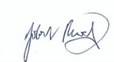
………………………
ROBERT PINCOCK
Director
23 December 2025
DIRECTORS REPORT
The Directors present their Report with the financial statements of the Company and its subsidiary (together the "Group") for year ended 31 December 2024.
Results and dividends
The results for the year are set out in the Statement of Comprehensive Income on page 26. The Directors do not recommend the payment of dividend on the Ordinary Shares.
Company objective
The Company's primary objective is that of securing the best possible value for the shareholders, consistent with achieving both capital growth and income for shareholders. The Company intends to undertake one or more acquisitions of business (either shares or assets) which operate in or own Western F&B eatery franchises in South East Asia and/or the Far East.
The Company will retain flexibility between: (i) establishing a new franchise in a new region, in which case it would purchase the franchise and then build a management team to operate the franchise; or (ii) purchasing an established franchise and seeking to grow this both within its established region and in other regions in Asia.
The Group's business risk
An explanation of the Group's financial risk management objectives, policies and strategies is set out in note 17 and the Operating and Financial Review.
Directors
The Directors who served the Company during the year and their beneficial interest in the Ordinary Shares of the Company at 31 December 2024 were as follows:
|
Abd Hadi bin Abd Majid |
|
|
Robert Logan Pincock |
|
|
Maurice James Malcolm Groat |
|
Directors' interest
As at 31 December 2024, Robert Pincock, one of our directors, owns 1,250,000 ordinary shares, which represents an 9.36 % interest No other directors hold any shares in the company.
Directors Report (continued)
Substantial shareholders
The Company has been notified of the following interests of 3 per cent or more in its issued share capital as at 15 December 2025.
|
Party Name |
Number of Ordinary Shares |
% of Share Capital |
|
|
|
|
|
Infinity Mission Limited |
1,885,000 |
14.12 |
|
Link Summit Limited |
1,813,343 |
13.58 |
|
Belldom Limited |
1,759,999 |
13.18 |
|
Nordic Alliance Holding Limited |
1,688,546 |
12.65 |
|
Amber Oak Holdings Limited |
1,577,000 |
11.81 |
|
Eastman Ventures Limited |
1,529,454 |
11.46 |
|
Robert Pincock (Director) |
1,250,000 |
9.36 |
|
VCB A.G |
900,000 |
6.74 |
|
Cape Light Investments |
450,000 |
3.37 |
|
West Park Capital Manager Ltd |
400,000 |
3.00 |
|
|
|
|
Capital and returns management
The primary objective of the Group's and the Company's capital management is to ensure that they maintain a strong capital base in order to sustain future development of the business and to safeguard the Group's and the Company's ability to continue as a going concern. The Group and the Company also seek to maintain an optimal capital structure to minimise the cost of capital.
Dividend policy
The Directors recognise the importance of dividends to investors and, as the Company's business matures, will keep under review the desirability of paying dividends. Future income generated by the Company is likely to be re-invested in the Company to implement its strategy. In view of this, it is unlikely that the Board will recommend a dividend in the following years unless there are any changes in the business outlook. There are no fixed dates for dividend payments by the Company and no dividends have been paid to date, although should the Company be in a position to declare a dividend in the future it will consider this at that time.
Going concern
Based on the Company's plans for 2025, and after making enquiries (including preparation of reasonable trading forecasts) and consideration of current financing arrangements, the Directors have a reasonable expectation that the Company has adequate resources to continue operations for the foreseeable future. For this reason, they continue to adopt the going concern basis in preparing the financial statements.
Going concern (continued)
As part of our annual reporting for the year ended 31 December 2024 and as described in the Note 2, we are pleased to confirm that Davictus Plc continues to operate on a going concern basis. This assessment reflects our management's judgment that the Company has the ability to meet its obligations as they become due over the next 12 months from the date of this report.
Our going concern assessment is based on a thorough evaluation of the Company's financial condition, including its cash flows, liquidity, and access to financing. We have considered the current market conditions and the challenges faced by the food and beverage (F&B) franchise industry, which have been exacerbated by the COVID-19 pandemic. Despite these challenges, we remain confident in our ability to continue operating effectively.
Strategic Diversification:
As outlined in our Chairman's statement, Davictus Plc is actively diversifying its business model by expanding into Business and Management Consultancy (BMC) services. This strategic shift is designed to leverage the extensive experience of our board members and capitalize on emerging opportunities beyond the F&B sector. The initial response from the market has been encouraging, and we believe this diversification will enhance our financial resilience and stability.
To address any potential uncertainties, the management team members together with the board have developed comprehensive plans to ensure the Company's continued viability. These plans include:
1. Enhancing operational efficiency in our existing franchise operations to maintain profitability.
2. Continuing to expand our BMC services to a broader customer base, which is expected to contribute positively to our revenue streams.
3. Implementing prudent financial management practices to ensure adequate liquidity and manage our obligations effectively.
Based on our assessment and the plans outlined above, we believe that Davictus Plc is well-positioned to continue as a going concern. The board is confident in its ability to meet all Company's financial obligations and achieve sustainable growth through our diversified business model. The Company's financial statements have been prepared on a going concern basis, reflecting our commitment to long-term viability and success.
The Company will not pay any dividends this year (2023: Nil).
Section 172 Report
As the Company is incorporated in Jersey, the directors are governed by and owe their duties under the Companies (Jersey) Law 1991, rather than the UK Companies Act 2006.
However, the directors recognise that Section 172 of the UK Companies Act 2006 is commonly used as a benchmark for good corporate governance and stakeholder consideration. Although the Company is not subject to Section 172, the directors have regard to similar principles in promoting the success of the Company.
Section 172 Report (continued)
In carrying out their duties, the directors consider, among other matters:
· the likely long-term consequences of decisions;
· the interests and wellbeing of employees;
· the need to foster constructive business relationships with suppliers, customers and other stakeholders;
· the impact of the Company's activities on the community and the environment;
· the importance of maintaining a reputation for high standards of business conduct; and
· the need to act fairly between members of the Company.
These considerations are taken into account in the directors' decision-making with the objective of promoting the sustainable success of the Company for the benefit of its shareholders.
Likely consequences of any decisions in the long term
The Strategic Report set out the Group's strategy. In applying this strategy, particularly in seeking new business prospect the Board assesses the long-term future of those businesses with a view to maximise shareholder return. The approach to general strategy and risk management strategy of the Group is set out in 'Principal risk and uncertainties' of the Strategic Report.
The Board regularly reviews its long-term strategy. This has encompassed not only the current phase of strategic development, but also future areas of growth. Input is regularly taken from specialists within the business and external advisers about what issues might frame the commercial environment in which the business will operate in future and the Board regularly considers how it can best respond to that framework. The resulting assessment of future development helps inform the Board's decision-making and the balance between short-term and long-term measures and actions.
Interest of Employees
The Company has a very limited number of employees and all have direct access to the Directors on a daily basis resulting an open and honest approach with regular updates across businesses and operations within the Group. Employees' salaries and benefits are remunerated to be at par with related industry standard. The Board periodically reviewed initiatives that are being implemented to enhance the career and personal development of employees. Performance management and reward processes are clearly defined to ensure everyone understands how what they do links to reward and recognition.
Need to foster the company's business relationships with suppliers/customers and others.
The Board reviewed information on the Group's performance against key quality targets each month and was updated at Board meetings on actions undertaken to rectify any significant quality issues.
Impact of the company's operations on the community and environment
The Group takes its responsibility within the community and wider environment seriously. As the Group's operation has very minimal community and environmental impact, it is committed to conducting business in an efficient and responsible manner, in line with current best practice guidelines in management of food & beverages sectors through its business associates. Those operations integrate environmental, social and health and safety considerations to maintain its "social licence to operate" in all its business activities.
Section 172 Report (continued)
The desirability of the company maintaining a reputation for high standards of business conduct
The Directors are committed to high standards of business conduct and governance as set out in Corporate Governance Statement. Where there is a need to seek advice on particular issues, the Board will consult with its lawyers and nominated advisors to ensure that its reputation for good business conduct is maintained.
The need to act fairly between members of the Group.
The primary focus of the Board's business decisions is on ensuring the long-term sustainability of the Group. The Board recognises that in seeking to maintain long-term profitability, the Group is reliant on the support of all of its stakeholders, including the Group's workforce, its customers, suppliers and the communities in which its businesses operate.
The Group has a system of financial controls and reporting procedures in place which are considered to be appropriate given the size and structure of the Group and the nature of risks associated with the Group's assets. Key procedures include:
· due diligence on new acquisitions;
· Board-level liaison with management of investees including, where appropriate, board representation;
· monthly management account reporting;
· review of investments and market risk with monthly reporting to the Board;
· regular cashflow re-forecasting as circumstances change; and
· involvement of the Executive Directors in the day-to-day operations of the Group of companies.
Task Force on Climate-related Financial Disclosures (TFCD Statement)
Introduction
The Company is a franchisor of premium dining restaurants with commitment to sustainability and responsible business practices. As a responsible business, we acknowledge the potential impact of climate change on our operations, and we recognize the need to disclose our climate-related risks and opportunities in line with the recommendations of the Task Force on Climate-related Financial Disclosures (TCFD).
Governance
The Company recognizes the importance of strong governance and oversight in managing climate-related risks and opportunities. Our Board of Directors have an ultimate responsibility towards ensuring that our climate-related risks and opportunities are identified, assessed, and managed effectively. The Board has established a Sustainability Committee to oversee our climate-related initiatives and ensure that they are integrated into our overall business strategy. The sustainability committee reports to the Board on a regular basis and provides guidance on its approach to sustainability.
Strategy
As a franchisor, the Company does not operate restaurants directly but only licenses the use of its brand and business model to franchisees. We recognize that our franchisees' operations can have a significant impact on the environment, and as such, we are committed towards working with them to minimize this impact.
We have developed a Sustainability Framework that sets out our approach to managing climate-related risks and opportunities. The Framework includes the following key elements:
· Committed to promoting environmental best practices by encourage our franchisees to adopt sustainable business practices including
1. Issue sustainability guidelines or manuals for franchisees.
2. Conduct regular training or webinars on environmental best practices.
3. Share case studies of high-performing franchisees to encourage others.
4. Include environmental topics in franchise audits
· committed to supporting our franchisees in their efforts to reduce their carbon footprint and minimize their impact on the environment by
1. Provide franchisees with tools to measure energy use, carbon emissions or waste.
2. Offer technical assistance or partnerships with vendors that supply green technology.
3. Encourage and track carbon-reduction initiatives (e.g., LED lighting, efficient air-conditioning).
4. Provide incentives or recognition for franchisees with strong carbon-reduction performance.
· Committed to reviewing and advising our franchisees on their environmental performances and to identify areas for improvement and support continuous improvement
1. Integrate environmental KPIs into franchise performance reviews.
2. Perform periodic environmental assessments alongside operational audits.
3. Prepare improvement reports for each franchisee with recommended actions.
4. Establish a helpdesk or advisory support for sustainability issues.
· Committed to increasing energy efficiency by encouraging our franchisees to adopt energy-efficient equipment and to implement energy management systems
1. Recommend or require the use of energy-efficient equipment when franchises replace or upgrade machinery.
2. Provide a list of approved suppliers of energy-efficient appliances.
3. Encourage installation of smart meters or energy-monitoring systems.
4. Conduct annual energy usage benchmarking between franchisees.
· Committed to reducing waste by encouraging our franchisees to adopt sustainable packaging including reusable and recyclable materials
1. Provide guidelines on using recyclable, compostable or reusable packaging.
2. Work with suppliers to offer sustainable packaging options at competitive prices.
3. Promote waste-sorting practices inside franchise outlets.
4. Track and report waste-reduction progress across the franchise network.
5. Encourage campaigns to reduce single-use plastics.
Task Force on Climate-related Financial Disclosures (TFCD Statement) (continued)
Risk Management
The Company have identified climate-related risks that could affect our operations, including physical risks such as extreme weather and supply chain disruptions, as well as transition risks such as regulatory changes and shifts in consumer preferences. The company will look to implement measures to mitigate these risks, including:
· Conducting regular climate risk assessments and scenario analysis to identify potential risks and opportunities.
· Developing a carbon reduction plan to reduce the carbon footprint within our franchisee's operations.
· Engaging with our franchisees and their suppliers to encourage them to adopt sustainable practices, including reducing greenhouse gas emissions and improving resource efficiency.
The Company are seeking to establish a number of metrics and targets to measure and track our progress in managing climate-related risks and opportunities. These include:
· Carbon footprint: We are working with our Business and Management Consultancy team to collect data on their carbon footprint and establish baseline metrics for tracking progress.
· Renewable energy: We have set a target to increase the proportion of renewable energy used by our Business and Management Consultancy Service team to 50% by 2030.
· Waste reduction: We are working with our franchisees to establish waste reduction targets and implement best practices for reducing waste.
Opportunities
We have identified the following opportunities related to climate change that may benefit our business:
1. Cost Savings
Implementing energy-efficient equipment and reducing waste can lead to cost savings which would result in increase in profitability.
2. Brand Reputation Commitment to sustainability can enhance our brand reputation and attract environmentally conscious customers.
3. Innovation Developing innovative solutions for reducing our carbon footprint can lead to new business opportunities and competitive advantage.
Conclusion
The Company is fully committed towards managing climate-related risks and opportunities and promoting sustainable business practices within our franchise network. We believe that addressing climate change is not only the right thing to do but also makes good business sense. We will continue to work with our franchisees, suppliers, and stakeholders to minimize our impact on the environment and towards creating value for all our stakeholders.
CORPORATE GOVERNANCE
There is no applicable regime of corporate governance to which the directors of a Jersey company must adhere over and above the general fiduciary duties and duties of care, skill and diligence imposed on such directors under Jersey law.
The Group has not yet adopted a corporate governance structure as it is still in an early stage of development. Neither the diversity policy was adopted by the Company.
However, the board has developed corporate governance process as discussed below. These processes have been determined with reference to the Quoted Companies Alliance revised Corporate Governance Code for Small and Mid-Size Quoted Companies ('the QCA Code'), which the Company intends to adopt in the future.
(1) Structure and process. The Group is young and not yet fully active in its chosen sector. Governance is achieved by the Directors acting together in approving all activity and by accounting and financial control being in the hands of the Directors acting alongside third party service providers.
(2) Responsibility and accountability. Although the team is small, roles are clearly defined. The Board is chaired by a seasoned Non-Executive Chairman who is not the chief executive, and the Board also benefits from having a second seasoned Non-Executive Director who is independent.
(3) Board balance and size. Because of its small size and low level of commercial activity, the Group is well managed by a Board of three Directors, none of whom works elsewhere with the others or worked previously with the others and all of whom have individual professional standing.
(4) Board skills and capabilities. Robert Pincock has directly relevant and current knowledge of running businesses in the Company's chosen sector and geographical markets. The other two Directors have extensive financial and governance experience, one with particular knowledge of the London markets and one with particular knowledge of South East Asian markets.
(5) Performance and development. Each year the board conducts a review of the performance of the Directors and of Board committees, and make a formal consideration as to the need for change.
(6) Information and support. The Directors share and discuss all relevant information and draw upon external advice as required.
(7) Cost-effective and value-added. Recognising the early stage of development, the Directors do not intend to formalise a review of this until after the Company makes its first acquisition.
(8) Vision and strategy. The Directors set out their clear vision in the Admission prospectus. No changes have been made since then.
(9) Risk management and internal control. These matters fall into the remit of the Group's Audit and Remuneration Committees.
(10) daVictus held its Annual General Meeting on 9 August 2024 engaging shareholders who attended to vote for the given resolutions and approved those resolutions including the adoption of the audited financial statements for the year-ended 31 December 2023, re-appointment of director and auditor.
(11) Stakeholder and social responsibility. The Directors are mindful of the impact of the Company on wider society and will ensure a formal corporate and social responsibility regime is put in place following the Company's first acquisition.
At a general meeting at which a director retires by rotation, the Company may fill the vacancy and, if it does not do so, the retiring director shall be, if willing, deemed reappointed. A Director who retires at an annual general meeting may, if willing to act, be reappointed. If he is not reappointed (or deemed reappointed by the Company failing to fill the vacancy), he may retain office until the meeting appoints someone in his place or, if it does not do so, until the end of the meeting.
The Company has established the following committees:
Audit committee
The audit committee, which currently comprises Malcolm Groat (as chair) and Hadi Majid, has the primary responsibility for monitoring the quality of internal control and ensuring that the financial performance of the Company is properly measured and reported on and for reviewing reports from the Company's auditors relating to the Company's accounting and internal controls. The committee is also responsible for making recommendations to the Board on the appointment of auditors and the audit fee and for ensuring the financial performance of the Company is properly monitored and reported. The audit committee will meet not less than two times a year.
Remuneration committee
The remuneration committee, which currently comprises Hadi Majid (as chair) and Malcolm Groat, is responsible for the review and recommendation of the scale and structure of remuneration for senior management, including any bonus arrangements or the award of share options with due regard to the interests of the Shareholders and the performance of the Company. No remuneration committee meeting took place during in the year.
Nomination committee
The Company does not have a nomination committee as the Board does not consider it appropriate to establish such a committee at this stage of the Company's development. Decisions which would usually be taken by the nomination committee will be taken by the Board as a whole. No nomination committee meeting took place during in the year.
Auditors
The auditors, PKF Littlejohn LLP, have expressed their willingness to continue in office and a resolution to reappoint them will be proposed at the Annual General Meeting.
Directors' interest
The Directors are responsible for preparing the annual report and the financial statements in accordance with applicable law and regulations.
The Directors who served the Company during the year and their remunerations and beneficial interest in the Ordinary Shares of the Company at 31 December 2024 were as follows:
As at 31st December 2024
|
Directors |
Salary/fees (£) |
Bonus (£) |
Share-based payments (£) |
Other benefits (£) |
Total (£) |
|
Robert Logan Pincock |
15,000 |
- |
- |
- |
15,000 |
|
Abd Hadi bin Abd Majid |
10,000 |
- |
- |
- |
10,000 |
|
Maurice James Malcolm Groat |
4,000 |
- |
- |
- |
4,000 |
|
TOTAL |
29,000 |
|
|
|
29,000 |
As at 31st December 2023
|
Directors |
Salary/fees (£) |
Bonus (£) |
Share-based payments (£) |
Other benefits (£) |
Total (£) |
|
Robert Logan Pincock |
15,000 |
- |
- |
- |
15,000 |
|
Abd Hadi bin Abd Majid |
10,000 |
- |
- |
- |
10,000 |
|
Maurice James Malcolm Groat |
4,000 |
- |
- |
- |
4,000 |
|
TOTAL |
29,000 |
|
|
|
29,000 |
As at 31 December 2024 and 31 December 2023, Robert Pincock, one of our directors, held 1,250,000 ordinary shares in the company, representing 9.36% of the issued share capital of the company.
Directors Responsibilities
The Directors are responsible for preparing the annual report and the financial statements in accordance with applicable law and regulations.
Company law requires financial statements to be prepared for each financial year in accordance with one of the prescribed generally accepted accounting principles. Under that law the directors have elected to prepare the financial statements in accordance with UK-adopted International Accounting Standards and applicable law.
The directors must not approve the financial statements unless they are satisfied that they give a true and fair view of the state of affairs of the group and of the profit or loss of the group for that period. In preparing these financial statements, the directors are required to:
- select suitable accounting policies and then apply them consistently;
- make judgments and accounting estimates that are reasonable and prudent;
- state whether applicable accounting standards have been followed, subject to any material departures disclosed and explained in the financial statements;
- Provide additional disclosures when compliance with the specific requirements in IFRS Standards are insufficient to enable users to understand the impact of particular transactions, other events and conditions on the entity's financial position and financial performance; and
- prepare the financial statements on the going concern basis unless it is inappropriate to presume that the group will continue in business.
The directors are responsible for keeping proper accounting records that are sufficient to show and explain the group's transactions and disclose with reasonable accuracy at any time the financial position of the company and enable them to ensure that the financial statements comply with the Companies (Jersey) Law 1991. They are also responsible for safeguarding the assets of the company and hence for taking reasonable steps for the prevention and detection of fraud and other irregularities.
The directors are responsible for keeping proper accounting records that are sufficient to show and explain the group's transactions and disclose with reasonable accuracy at any time the financial position of the group. They are also responsible for safeguarding the assets of the company and hence for taking reasonable steps for the prevention and detection of fraud and other irregularities.
The maintenance and integrity of the daVictus plc website is the responsibility of the Directors.
Legislation in Jersey governing the preparation and dissemination of the accounts and the other information included in annual reports may differ from legislation in other jurisdictions. The Directors confirm, to the best of their knowledge that:
· the financial statements, prepared in accordance with the applicable set of accounting standards, give a true and fair view of the assets, liabilities, financial position and profit or loss of the Group; and
· the management report includes a fair review of the development and performance of the business and the position of the Group, together with a description of the principal risks and uncertainties that it faces.
Statement as to Disclosure of Information to Auditors
The Directors confirm that:
· there is no relevant audit information of which the Group's statutory auditor is unaware; and
each Director has taken all the necessary steps he ought to have taken as a Director in order to make himself aware of any relevant audit information and to establish that the Group's statutory auditor is aware of that information.
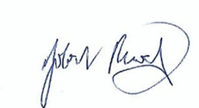
This responsibility statement was approved by the Board of Directors and is signed on its behalf by;
………………………..
ROBERT PINCOCK
Director
23 December 2025
INDEPENDENT AUDITOR'S REPORT TO THE MEMBERS OF DAVICTUS PLC
Opinion
We have audited the group financial statements of DaVictus Plc (the 'group') for the year ended 31 December 2024 which comprise the Consolidated Statement of Comprehensive Income, the Consolidated Statement of Financial Position, the Consolidated Statement of Changes in Equity, the Consolidated Statement of Cash Flow and notes to the financial statements, including significant accounting policies. The financial reporting framework that has been applied in their preparation is applicable law and UK-adopted international accounting standards.
In our opinion, the group financial statements:
· give a true and fair view of the state of the group's affairs as at 31 December 2024 and of its profit for the year then ended;
· have been properly prepared in accordance with UK-adopted international accounting standards;
· have been prepared in accordance with the requirements of the Companies (Jersey) Law 1991.
Basis for opinion
We conducted our audit in accordance with International Standards on Auditing (UK) (ISAs (UK)) and applicable law. Our responsibilities under those standards are further described in the Auditor's responsibilities for the audit of the financial statements section of our report. We are independent of the group in accordance with the ethical requirements that are relevant to our audit of the financial statements in the UK, including the FRC's Ethical Standard as applied to listed public interest entities, and we have fulfilled our other ethical responsibilities in accordance with these requirements. We believe that the audit evidence we have obtained is sufficient and appropriate to provide a basis for our opinion.
Conclusions relating to going concern
In auditing the financial statements, we have concluded that the directors' use of the going concern basis of accounting in the preparation of the financial statements is appropriate. Our evaluation of the directors' assessment of the group's ability to continue to adopt the going concern basis of accounting included the following audit procedures:
· Obtaining management's going concern assessment and checking the mathematical accuracy of the supporting cash flow forecasts/budgets prepared;
· Challenging management on the reasonableness of key inputs and assumptions underpinning the going concern assessment. These challenges included but were not limited to:
o Assessing the likelihood of future cash inflows and vouching to supporting documentation
o Reviewing the projected cash outflows against actual outflows for the year; and
o Agreeing the opening cash position for the month of when the forecast starts in the going concern assessment to the bank statements and
· Undertaking a review of subsequent events on matters impacting the going concern assessment; and
· Considering the adequacy of the disclosures in the financial statements.
Based on the work we have performed, we have not identified any material uncertainties relating to events or conditions that, individually or collectively, may cast significant doubt on the group's ability to continue as a going concern for a period of at least twelve months from when the financial statements are authorised for issue.
Our responsibilities and the responsibilities of the directors with respect to going concern are described in the relevant sections of this report.
Our application of materiality
The scope of our audit was influenced by our application of materiality. We set certain quantitative thresholds for materiality. These, together with qualitative considerations, helped us to determine the scope of our audit and the nature, timing and extent of audit procedures on the individual financial statement line items and disclosures in evaluating the effect of misstatements, both individually and in aggregate, on the financial statements as a whole.
|
|
Financial statements - group |
|
Overall materiality |
£4,500 |
|
Basis for determining overall materiality |
Revenue |
|
Rationale for the benchmark applied |
The group is revenue generating now and the users of the financial statements would be more interested in the ability of the entity to obtain new franchise contracts. Group mainly generates its income from franchise contracts. |
|
Performance materiality |
£2,250 |
|
Basis for determining performance materiality |
50% of the overall materiality |
|
Rationale for the benchmark applied |
In determining the performance materiality, we have considered the following factors: · Our cumulative knowledge of the group and its environment, including industry specific factors; · The level of significant judgements and estimates; · The risk assessment and aggregation of risk and the effectiveness of controls; · The level of changes to the business in the period; · The control environment of the group's financial reporting controls and processes; and · The stability of key management personnel.
|
We agreed that we would report to the audit committee all misstatements we identified through our audit with a value in excess of £225, in addition to other audit misstatements below that threshold that we believe warrant reporting on qualitative grounds.
We use performance materiality to reduce to an appropriately low level the probability that the aggregate of uncorrected and undetected misstatements exceeds overall materiality. Specifically, we use performance materiality in determining the nature and extent of our testing of account balances, classes of transactions and disclosures, for example in determining sample sizes.
For each full scope component in the group audit, we allocated performance materiality to each entity based on their contribution to overall group revenue. Davictus World Sdn Bhd is audited by a component auditor, and this is a full scope audit. Performance materiality for this entity is £1,237. This has been set due the entity's principal activity is the management and administration of Group operation. Therefore, performance materiality for this subsidiary has been based on the stratified proportional allocation in line with revenue benchmark and maximum aggregate component materiality. Triviality for this entity is £124 which is 10% of the component's performance materiality.
Our approach to the audit
In designing our audit approach, we determined materiality and assessed risk of material misstatement in the financial statements. We looked at areas involving significant accounting estimates and judgements by the directors, including the carrying value of property, plant and equipment assets at year end, recoverability of trade receivables and leases. Procedures were then performed to address the risks identified and for the most significant assessed risks of misstatement, the procedures performed are outlined below in the key audit matters section of this report. We re-assessed the risks throughout the audit process and concluded that the scope remained in line with that determined at the planning stage of the audit.
Key audit matters
Key audit matters are those matters that, in our professional judgment, were of most significance in our audit of the financial statements of the current period and include the most significant assessed risks of material misstatement (whether or not due to fraud) we identified, including those which had the greatest effect on: the overall audit strategy, the allocation of resources in the audit; and directing the efforts of the engagement team. These matters were addressed in the context of our audit of the financial statements as a whole, and in forming our opinion thereon, and we do not provide a separate opinion on these matters.
|
Key Audit Matter |
How our scope addressed this matter |
|
Revenue Recognition (Note 4). |
|
|
Under ISA (UK) 240, there is a rebuttable presumption that revenue recognition is a significant fraud risk. The Group's revenue comprises of franchise license fee, and its recognition policy varies depending on the underlying contract and could result in each revenue stream being recognised at a point in time or over time where certain conditions are met. Given the level of estimation uncertainty and level of judgement involved, Revenue recognition is a key audit matter (KAM) due to revenue is the most key item on which the users of the financial statements rely on and therefore as a listed entity this will be a key audit matter. Additionally, revenue was the basis of what the materiality is set on. As part of the management override of controls risk, we have also identified revenue journals posting as a significant risk of material misstatement. |
Our work in this area included: · Documenting our understanding of the information system and related controls relevant to each material income stream. · Evaluating the appropriateness of the information system and the effectiveness of the design and implementation of the related controls. · Agreeing the performance obligations identified by management for the franchisee contracts to ensure the adopted accounting policy is appropriate. · Substantive transactional testing of income recognised in the financial statements, including deferred income balances recognised at the year-end; and · Review the appropriateness of the financial statement disclosures. |
Other information
The other information comprises the information included in the annual report, other than the financial statements and our auditor's report thereon. The directors are responsible for the other information contained within the annual report. Our opinion on the group financial statements does not cover the other information and, except to the extent otherwise explicitly stated in our report, we do not express any form of assurance conclusion thereon. Our responsibility is to read the other information and, in doing so, consider whether the other information is materially inconsistent with the financial statements or our knowledge obtained in the course of the audit, or otherwise appears to be materially misstated. If we identify such material inconsistencies or apparent material misstatements, we are required to determine whether this gives rise to a material misstatement in the financial statements themselves. If, based on the work we have performed, we conclude that there is a material misstatement of this other information, we are required to report that fact.
We have nothing to report in this regard.
Matters on which we are required to report by exception
In the light of the knowledge and understanding of the group and its environment obtained in the course of the audit, we have not identified material misstatements in the strategic report or the directors' report.
We have nothing to report in respect of the following matters in relation to which the Companies (Jersey) Law 1991 requires us to report to you if, in our opinion:
· certain disclosures of directors' remuneration specified by law are not made; or
· we have not received all the information and explanations we require for our audit.
Responsibilities of directors
As explained more fully in the statement of directors' responsibilities, the directors are responsible for the preparation of the group financial statements and for being satisfied that they give a true and fair view, and for such internal control as the directors determine is necessary to enable the preparation of financial statements that are free from material misstatement, whether due to fraud or error.
In preparing the group financial statements, the directors are responsible for assessing the group's ability to continue as a going concern, disclosing, as applicable, matters related to going concern and using the going concern basis of accounting unless the directors either intend to liquidate the group or to cease operations, or have no realistic alternative but to do so.
Auditor's responsibilities for the audit of the financial statements
Our objectives are to obtain reasonable assurance about whether the financial statements as a whole are free from material misstatement, whether due to fraud or error, and to issue an auditor's report that includes our opinion. Reasonable assurance is a high level of assurance but is not a guarantee that an audit conducted in accordance with ISAs (UK) will always detect a material misstatement when it exists. Misstatements can arise from fraud or error and are considered material if, individually or in the aggregate, they could reasonably be expected to influence the economic decisions of users taken on the basis of these financial statements.
Irregularities, including fraud, are instances of non-compliance with laws and regulations. We design procedures in line with our responsibilities, outlined above, to detect material misstatements in respect of irregularities, including fraud. The extent to which our procedures are capable of detecting irregularities, including fraud is detailed below:
· We obtained an understanding of the group and the sector in which they operate to identify laws and regulations that could reasonably be expected to have a direct effect on the financial statements. We obtained our understanding in this regard through discussions with management, industry research, application of experience of the sector etc.
· We determined the principal laws and regulations relevant to the group, in this regard to be those arising from:
o QCA Code
o Data Protection laws
o Companies (Jersey) Law 1991
o UK adopted IAS
o LSE listing rules
o Disclosure and transparency rules
· We designed our audit procedures to ensure the audit team considered whether there were any indications of non-compliance by the group with those laws and regulations. These procedures included, but were not limited to:
o Making enquiries of management and those charge with governance;
o Reviewing Board minutes and minutes of committees of the Board;
o Discussing with internal legal personnel and liaising with external legal consultants;
o Reviewing legal expenditure nominal ledger accounts; and
o Reviewing Regulatory News Services announcements.
· We also identified the risks of material misstatement of the financial statements due to fraud. We considered, in addition to the non-rebuttable presumption of a risk of fraud arising from management override of controls, that the potential for management bias was identified in relation to provisions and the assessment of recoverability of trade debtors. We addressed this by challenging the assumptions and judgements made by management when auditing these significant accounting estimates.
· As in all of our audits, we addressed the risk of fraud arising from management override of controls by performing audit procedures which included, but were not limited to: the testing of journals; reviewing accounting estimates for evidence of bias; and evaluating the business rationale of any significant transactions that are unusual or outside the normal course of business.
Because of the inherent limitations of an audit, there is a risk that we will not detect all irregularities, including those leading to a material misstatement in the financial statements or non-compliance with regulation. This risk increases the more that compliance with a law or regulation is removed from the events and transactions reflected in the financial statements, as we will be less likely to become aware of instances of non-compliance. The risk is also greater regarding irregularities occurring due to fraud rather than error, as fraud involves intentional concealment, forgery, collusion, omission or misrepresentation.
A further description of our responsibilities for the audit of the financial statements is located on the Financial Reporting Council's website at: www.frc.org.uk/auditorsresponsibilities. This description forms part of our auditor's report.
Use of our report
This report is made solely to the company's members, as a body, in accordance with our engagement letter dated 12 September 2025. Our audit work has been undertaken so that we might state to the company's members those matters we are required to state to them in an auditor's report and for no other purpose. To the fullest extent permitted by law, we do not accept or assume responsibility to anyone, other than the company and the company's members as a body, for our audit work, for this report, or for the opinions we have formed.
Nicholas Joel (Senior Statutory Auditor) 15 Westferry Circus
For and on behalf of PKF Littlejohn LLP Canary Wharf
Statutory Auditor
CONSOLIDATED STATEMENT OF COMPREHENSIVE INCOME
for year ended 31 December 2024
|
|
Notes |
As at 31.12.2024 £ |
|
*Restated As at 31.12.2023 £ |
|
As at 31.12.2023 £ |
|
|
|
|
|
|
|
|
|
|
|
Revenue |
4 |
300,000 |
|
300,000 |
|
300,000 |
|
|
|
|
|
|
|
|
|
|
|
Direct cost |
|
- |
|
- |
|
- |
|
|
|
|
|
|
|
|
|
|
|
Gross Profit |
|
300,000 |
|
300,000 |
|
300,000 |
|
|
|
|
|
|
|
|
|
|
|
Administrative expenses |
|
(291,518) |
|
(214,254) |
|
(209,609) |
|
|
|
|
|
|
|
|
|
|
|
Operating profit before taxation
|
5 |
8,482 |
|
85,746 |
|
90,391 |
|
|
|
|
|
|
|
|
|
|
|
Other Income |
|
|
|
|
|
|
|
|
Interest income |
|
- |
|
5 |
|
5 |
|
|
|
|
8,482 |
|
85,751 |
|
90,396 |
|
|
|
|
|
|
|
|
|
|
|
Income tax expense |
6 |
- |
|
- |
|
- |
|
|
|
|
|
|
|
|
|
|
|
Profit for the year attributable to equity shareholders |
8,482 |
|
85,751 |
|
90,396 |
||
|
|
|
|
|
|
|
|
|
|
TOTAL COMPREHENSIVE PROFIT FOR THE YEAR |
|
8,482 |
|
85,751 |
|
90,396 |
|
|
|
|
|
|
|
|
||
|
Basic and diluted (pence per share) |
7 |
0.06 |
|
0.64 |
|
0.68 |
|
|
|
|
|
|
|
|
|
|
As at 30 November 2025, the Group's franchise operations have ceased. Previously, the Group derived its income primarily from franchise fees and related activities. Following the cessation of the franchise business, the Group has transitioned to business management and consultancy services as their new source of income.
These financial statements do not reflect this change as the change only takes effect after the financial year end and the directors have considered the impact on the Group's operations and cash flows. Despite the change in income streams, at the year end all operations of the Group are continuing, and the Group remains a going concern.
The notes to the financial statements form an integral part of these financial statements
* Profit for the year has been re-stated to include audit fee of £ 2,300 and professional fee of £ 2,345 which had been omitted in 2023 accounts. As a result, the retained earnings carried forward to 2024 has been reduced by £ 4,645.
CONSOLIDATED STATEMENT OF FINANCIAL POSITION
as at 31 December 2024
|
Assets |
Note |
As at 31.12.2024 £ |
|
Restated As at 31.12.2023 £ |
|
As at 31.12.2023 £ |
|
||
|
Non-current assets |
|
|
|
|
|
|
|
||
|
Property, Plant & Equipment |
8(a) |
4,583 |
|
- |
|
- |
|
||
|
Investment property |
8(b) |
53,994 |
|
|
|
|
|||
|
Right of use asset |
8(c) |
63,044 |
|
- |
|
- |
|
||
|
|
|
|
|
|
|
|
|
||
|
Trade and other receivables |
9 |
- |
|
73,314 |
|
73,314 |
|
||
|
|
|
- |
|
73,314 |
|
73,314 |
|
||
|
Current assets |
|
|
|
|
|
|
|
||
|
Trade and other receivables |
9 |
301,827 |
|
285,625 |
|
285,625 |
|
||
|
Cash and cash equivalents |
10 |
112,326 |
|
129,610 |
|
129,610 |
|
||
|
Total current assets |
|
414,153 |
|
415,235 |
|
415,235 |
|
||
|
|
|
|
|
|
|
|
|
||
|
Total assets |
|
535,774 |
|
488,549 |
|
488,549 |
|
||
|
|
|
|
|
|
|
|
|
||
|
Equity and liabilities |
|
|
|
|
|
|
|
||
|
Capital and reserves |
|
|
|
|
|
|
|
||
|
Stated capital |
11 |
1,224,400 |
|
1,224,400 |
|
1,224,400 |
|
||
|
Accumulated loss |
|
(914,402) |
|
(922,884) |
|
(918,239) |
|
||
|
Total equity |
|
309,998 |
|
301,516 |
|
306,161 |
|
||
|
|
|
|
|
|
|
|
|
||
|
Liabilities |
|
|
|
|
|
|
|
||
|
Non-current liability |
|
|
|
|
|
|
|
||
|
Lease liability |
12 |
33,539 |
|
- |
|
- |
|
||
|
|
|
|
|
|
|
|
|
||
|
Current liabilities |
|
|
|
|
|
|
|
||
|
Other payables |
13 |
107,614 |
|
53,700 |
|
49,055 |
|
||
|
Lease liability |
12 |
31,290 |
|
- |
|
- |
|
||
|
Deferred Income |
13 |
53,333 |
|
133,333 |
|
133,333 |
|
||
|
|
|
|
|
|
|
|
|
||
|
Total current liabilities |
|
192,237 |
|
187,033 |
|
182,388 |
|
||
|
|
|
|
|
|
|
|
|||
|
Total liabilities |
|
225,776 |
|
187,033 |
|
182,388 |
|
||
|
|
|
|
|
|
|
|
|
||
|
Total equity and liabilities |
|
535,774 |
|
488,549 |
|
488,549 |
|||
|
|
|
|
|
|
|
|
|||
The notes to the financial statements form an integral part of these financial statements
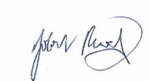 This report was approved by the board and authorised for issue on and signed on its behalf by;
………………………
Robert Pincock
Director
23 December 2025
CONSOLIDATED STATEMENT OF CHANGES IN EQUITY
For the year ended 31 December 2024
|
|
Share Capital £ |
|
Accumulated Losses £ |
|
Total £ |
|
|
|
|
|
|
|
|
As at 1 January 2024 |
1,224,400 |
|
(922,884) |
|
301,516 |
|
|
|
|
|
|
|
|
Profit and total comprehensive income for the year |
|
|
8,482 |
|
8,482 |
|
|
|
|
|
|
|
|
As at 31 December 2024 |
1,224,400 |
|
(914,402) |
|
309,998 |
|
As Restated |
Share Capital £ |
|
Accumulated Losses £ |
|
Total £ |
|
|
|
|
|
|
|
|
As at 1 January 2023 |
1,224,400 |
|
(1,008,635) |
|
215,765 |
|
|
|
|
|
|
|
|
Profit and total comprehensive income for the year |
|
|
85,751* |
|
85,751 |
|
|
|
|
|
|
|
|
As at 31 December 2023 |
1,224,400 |
|
(922,884) |
|
301,516 |
· Profit for the year has been re-stated to include audit fee of £ 2,300 and professional fee of £ 2,345 which had been omitted in 2023 accounts. As a result, the retained earnings carried forward to 2024 has been reduced by £ 4,645.
|
|
Share Capital £ |
|
Accumulated Losses £ |
|
Total £ |
|
|
|
|
|
|
|
|
As at 1 January 2023 |
1,224,400 |
|
(1,008,635) |
|
215.765 |
|
|
|
|
|
|
|
|
Profit for the year |
|
|
90,396 |
|
90,396 |
|
|
|
|
|
|
|
|
As at 31 December 2023 |
1,224,400 |
|
(918,239) |
|
306,161 |
· Share capital represents the nominal value of shares that have been issued and fully paid by the shareholders of the Company.
· Accumulated losses represent the cumulative net losses of the Company since incorporation,
CONSOLIDATED STATEMENT OF CASH FLOWS
for the year ended 31 December 2024
|
|
|
As at 31-Dec-2024 £ |
|
As restated As at 31-Dec-2023 £ |
|
As at 31-Dec-2023 £ |
|
Cash flow from operating activities |
|
|
|
|
|
|
|
Operating profit for the year |
|
8,482 |
|
85,751 |
|
90,396 |
|
Adjustment for: |
|
|
|
|
|
|
|
Depreciation of right-of-use-assets |
|
31,522 |
|
30,422 |
|
30,422 |
|
Depreciation of investment property |
|
454 |
|
|
|
|
|
Depreciation of equipment |
|
346 |
|
- |
|
- |
|
Interest income |
|
- |
|
(5) |
|
(5) |
|
Interest on lease liability |
|
5,079 |
|
1,182 |
|
1,182 |
|
|
|
45,883 |
|
117,350 |
|
121,995 |
|
Changes in working capital |
|
|
|
|
|
|
|
Decrease/(increase) in trade and other receivables |
|
57,112 |
|
(158,751) |
|
(158,751) |
|
Decrease in trade and other payables |
|
(26,086) |
|
(55,704) |
|
(60,349) |
|
Net cash (used in) / from operating activities |
|
76,909 |
|
(97,105) |
|
(97,105) |
|
|
|
|
|
|
|
|
|
Cash Flows from Investing activities |
|
|
|
|
|
|
|
Purchase of investment property |
|
(59,377) |
|
- |
|
- |
|
Net cash used in financing activities |
|
(59,377) |
|
- |
|
- |
|
|
|
|
|
|
|
|
|
Cash Flow from Financing activities |
|
|
|
|
|
|
|
Interest income |
|
- |
|
5 |
|
5 |
|
Repayment on lease liability |
|
(34,816) |
|
(33,602) |
|
(33,602) |
|
Net cash used in financing activities |
|
(34,816) |
|
(33,593) |
|
(33,593) |
|
|
|
|
|
|
|
|
|
Decrease in cash and cash equivalents |
|
(17,284) |
|
(130,698) |
|
(130,698) |
|
Effect of exchange differences |
|
- |
|
- |
|
- |
|
Cash and cash equivalents at beginning of the year |
|
129,610 |
|
260,308 |
|
260,308 |
|
|
|
|
|
|
|
|
|
Cash and cash equivalents at end of the year |
|
112,326 |
|
129,610 |
|
129,610 |
|
|
|
|
|
|
|
|
The notes to the financial statements form an integral part of these financial statements
NOTES TO THE CONSOLIDATED FINANCIAL STATEMENTS
1. GENERAL INFORMATION
The Company was incorporated and registered in Jersey as a public company limited by shares on 5 February 2015 under the companies (Jersey) Law 1991 and registered number 117716. The registered office of the Company is at the offices of 28 Esplanade, St. Helier, Jersey, JE1 8SB.
On 15 March 2020, the Company acquired a dormant British Virgin Island incorporated company as a wholly owned subsidiary for purpose of business operation which was subsequently disposed off on 2nd February 2022.
Prior to the disposal of the subsidiary company, 100% of the shares of the Malaysia incorporated subsidiary, Davictus World Sdn Bhd, which were held directly by the British Virgin Island incorporated company, Havana Dining Co. Ltd, was fully transferred to daVictus Plc
The consolidated financial statements comprise of the financial information of the Company and its subsidiaries (the Group), which is set out in note 14.
2. ACCOUNTING POLICIES
The Board has reviewed the accounting policies set out below and considers them to be the most appropriate to the Group's business activities.
Basis of preparation
The financial statements have been prepared in accordance with UK-adopted International Financial Reporting Standards and the requirements of the company's act.
The financial statements have been prepared under the historical cost convention except for those as modified for financial assets carried at fair value. At present, there are no financial assets which have been carried at fair value.
The financial information of the Group is presented in British Pound Sterling ("£") which is the functional currency of the Group.
Under Article 105 (11) of the Companies (Jersey) 1991 ("the Law"), the Directors of a holding Company are not required no prepare separate standalone financial statements if consolidated accounts for the group are prepared, unless required to do so by the members of the Company by ordinary resolution.
The members of the Company have not passed a resolution requiring separate financial statements and, in opinion of the Directors, the Company meets the definition of a holding Company as set out in the Law, the Directors have elected not to prepare separate financial statements.
Standards and interpretations issued but not yet applied
Standards and interpretations and amendments to published standards issued and applied
During the financial, year, the following amendments to standards become effective. We have adopted these amended standards and they have not had a material impact on the Group's financial statements
· Amendments to IAS 1 and IFRS Practice Statement 2: disclosure of accounting policies
· Amendments to IAS 8 Accounting Policies, Changes in Accounting Estimates and Errors; definition of accounting estimates.
· Amendments to IAS 12 Income Taxes: deferred taxes related to assets and liabilities arising from a single transaction
· IFRS 17 Insurance Contract including amendments to IFRS 17 (and initial application of IFRS 17 and IFRS 19 Financial Instruments - comparative information.
Standards and interpretations and amendments to published standards issued but not yet applied
Following standards, interpretations and amendments to published reports have been introduced and which have become effective 1st January 2024.
We will be adopting them, if applicable in the following financial year. We are currently assessing their impact, but they are not expected to be material to the Group's financial statements
· Amendments to IAS 1 Presentation of Financial Statements: non-current liabilities with covenants and classification of liabilities as current or non-current - effective date 1 January 2024
· Amendments to IAS 16 Leases: Lease liability in a sale and lease back - effective date 1 January 2024
Standards and interpretations and amendments to published standards issued but not yet effective
· Amendments to IAS 21 - Lack of Exchangeability - effective 1 January 2025.
· IFRS 18 - Presentation and Disclosure in Financial Statements - effective 1 January 2027
Basis of consolidation
The consolidated financial statements incorporate the financial statements of the Company and entities controlled by the Company (its subsidiaries). Control is achieved where the Company is exposed to, or has rights to, variable returns from its involvement with the entity and has the ability to affect those returns through its power over the entity.
All intercompany transactions, balances, income and expenses are eliminated in consolidation.
Going concern
The Directors consider the going concern basis of preparation to be appropriate in preparing the financial statements. The key conclusions are summarised below:
The Group made a profit after tax for the year of £8,482 (2023: (£85,751- as restated). The Group recorded net cash generated from operating activities of £76,910 (2023: £97,105). At the reporting date the group held cash and cash equivalents of £112,326 (2023: £129,610) and net equity of £309,998 (2023: £301,516 - as restated).
As our franchise business was declining due to the long term effects of the Covid pandamic the management have decided to move away from the franchise business and focus towards Business and Management Consultancy Services. Under our new business model, the Group has assessed its financial performance, market conditions, and ability to generate sufficient revenue to cover operating expenses and meet financial obligations. Additionally, we have evaluated our capacity to maintain strong relationships with suppliers, and customers. These factors, combined with effective financial management practices such as budgeting, cash flow monitoring, and expense control measures, underpin our belief in the sustainability of our operations.
In line with our strategic diversification efforts, the Company has moved away from the F & B business and has entered into Business and Management Consultancy (BMC) services. This initiative leverages the extensive expertise of our board members in corporate finance, administration, and consultancy, enabling us to target a broader customer base beyond the food and beverage (F&B) sector. The initial market response has been encouraging, reinforcing our confidence in this new revenue stream's potential to enhance financial resilience and stability.
To address potential uncertainties, the Board has implemented comprehensive plans to ensure continued viability. These include optimizing operational efficiency in BMC services to attract new clients across diverse industries, and maintaining prudent financial management practices to safeguard liquidity. Based on these measures and our ongoing performance evaluation, we believe the Company is well-positioned to continue as a going concern.
The financial statements have been prepared accordingly on a going concern basis, reflecting the Directors' commitment to long-term viability and sustainable growth. The audit report includes disclosures regarding this assessment and confirms that no material uncertainties exist that would cast significant doubt on the Company's ability to continue as a going concern.
Revenue recognition
Revenue is recognised to the extent that it is probable that the economic benefits will flow to the Group and the revenue can be reliably measured, regardless of when the payment is made. Revenue is measured at the fair value of consideration received or receivable, taking into account contractually defined terms of payment and excluding taxes or duty.
Fees receivable from franchisee according to franchise agreement at which time the Group has performed its obligation. Fees receivable in advance are stated on the Consolidated Statement of Financial Position as Deferred income to be recognised our period of contract.
Franchise fees and brand licence fees comprise of revenue for the initial allocation of the franchise to the respective franchisee and they are recognised over time during the licence period.
Compliance fees comprise of assistance provided in maintaining compliance to the brand standards, food hygiene standard, customer service standard, dining ambience standard, environmental standard, food, menu and cuisine standard, general quality standard, cultural standard and compliance to various other standards and guidelines. The revenue is recognised over time during the period.
Taxation
The tax currently payable is based on the taxable profit for the period. Taxable profit differs from net profit as reported in the income statement because it excludes items of income or expense that are taxable or deductible in other periods and it further excludes items that are never taxable or deductible. The Group's liability for current tax is calculated using tax rates that have been enacted or substantively enacted by the reporting date.
Deferred income tax is provided for using the liability method on temporary differences at the reporting date between the tax basis of assets and liabilities and their carrying amounts for financial reporting purposes. Deferred income tax liabilities are recognised in full for all temporary differences.
Deferred income tax assets are recognised for all deductible temporary differences carried forward of unused tax credits and unused tax losses to the extent that it is probable that taxable profits will be available against which the deductible temporary differences and carry-forward of unused tax credits and unused losses can be utilised.
The carrying amount of deferred income tax assets is assessed at each reporting date and reduced to the extent that it is no longer probable that sufficient taxable profits will be available to allow all or part of the deferred income tax asset to be utilised. Unrecognised deferred income tax assets are reassessed at each reporting date and are recognised to the extent that is probable that future taxable profits will allow the deferred income tax asset to be recovered.
Leases
The Group assesses whether a contract is or contains a lease, at the inception of the contract. The Group recognises a right-of-use asset and corresponding lease liability with respect to all lease arrangements in which it is the lessee, except for low-value assets and short-term leases with 12 months or less. For these leases, the Group recognises the lease payments as an operating expense on a straight-line method over the term of the lease unless another systematic basis is more representative of the time pattern in which economic benefits from the leased assets are consumed.
The Group recognises a right-of-use asset and a lease liability at the lease commencement date. The right-of-use assets and the associated lease liabilities are presented as a separate line item in the statement of financial position.
The right-of-use asset is initially measured at cost. Cost includes the initial amount of the corresponding lease liability adjusted for any lease payments made at or before the commencement date, plus any initial direct costs incurred, less any incentives received.
The right-of-use asset is subsequently measured at cost less accumulated depreciation and any impairment losses, and adjustment for any remeasurement of the lease liability. The depreciation starts from the commencement date of the lease. If the lease transfers ownership of the underlying asset to the Group or the cost of the right-of-use asset reflects that the Group expects to exercise a purchase option, the related right-of-use asset is depreciated over the useful life of the underlying asset. Otherwise, the Group depreciates the right-of-use asset to the earlier of the end of the useful life of the right-of-use asset or the end of the lease term.
The lease liability is initially measured at the present value of the lease payments that are not paid at the commencement date, discounted by using the rate implicit in the lease. If this rate cannot be readily determined, the Group uses its incremental borrowing rate.
The lease liability is subsequently measured at amortised cost using the effective interest method. It is remeasured when there is a change in the future lease payments (other than lease modification that is not accounted for as a separate lease) with the corresponding adjustment is made to the carrying amount of the right-of-use asset or is recognised in profit or loss if the carrying amount has been reduced to zero.
Right of Use Asset and Property, Plant and Equipment
Right-of-Use asset and equipment are stated at cost less accumulated depreciation as per schedule below.
Depreciation is calculated on a straight-line basis to write off the cost of the equipment over their estimated useful lives. The annual rate of depreciation adopted are as follows:
Method Rate (%)
Equipment straight-line 20%
Right-of-Use asset life of tenancy
The carrying amounts of right-of-use asset and equipment are reviewed at each financial statement date to determine whether there is any indication of impairment. If any such indication exist, the recoverable amounts are estimated. The impairment loss is charged to the profit or loss statement as soon as foreseeable. Conversely, the impairment loss will be reversed up to the cumulative amount previously charged to the profit or loss, once the indicator for impairment ceases to exist.
Investment Property
Investment property comprises land and buildings held to earn rentals and/or for capital appreciation, rather than for use in the production or supply of goods or services or for administrative purposes.
Investment properties are initially measured at cost, including transaction costs. Subsequent to initial recognition, the company measures investment properties using the fair value model. Gains or losses arising from changes in fair value are recognized in profit or loss.
Subsequent expenditure is capitalized only when it is probable that future economic benefits associated with the expenditure will flow to the company. Repairs and maintenance costs are expensed as incurred.
Transfers to or from investment property are made only when there is a change in use evidenced by a change in occupancy or intention to sell.
Loan and receivables
Loans and receivables are held with an objective to collect contractual cash flows which are solely payments of principal and interest on the principal amount outstanding. Such assets are recognised initially at fair value plus any directly attributable transaction costs.
Subsequent to initial recognition, loans and receivables are measured at amortised cost using the effective interest method, less any impairment losses.
Loans and receivables comprise cash and cash equivalents and other receivables.
Trade receivables are recognised initially at the transaction price and subsequently measured at amortised cost, less any impairment losses.
Impairment provisions for current and non-current trade receivables are recognised based on the simplified approach within IFRS 9 using a historical provision matrix in the determination of the
lifetime expected credit losses. During this process the probability of the non-payment of the trade receivables is assessed. This probability is then multiplied by the amount of the expected loss arising from default to determine the lifetime expected credit loss for the trade receivables. For trade receivables, which are reported net, such provisions are recorded in a separate provision account with the loss being recognised within administration costs in the consolidated statement of comprehensive income. On confirmation that the trade receivable will not be collectable, the gross carrying value of the asset is written off against the associated provision.
Impairment provisions for receivables from related parties and loans to related parties are recognised based on a forward looking expected credit loss model. The methodology used to determine the amount of the provision is based on whether there has been a significant increase in credit risk since initial recognition of the financial asset. For those for which credit risk has increased significantly, lifetime expected credit losses are recognised, unless further information becomes available contrary to the increased credit risk. For those that are determined to be permanently credit impaired, lifetime expected credit losses are recognised.
Trade and other payables
Trade and other payables are initially measured at fair value, net of transaction costs, and are subsequently measured at amortised cost, where applicable, using the effective interest method, with interest expense recognised on an effective yield basis.
Cash and cash equivalents
The Group considers any cash on short-term deposits and other short-term investments to be cash equivalents.
Financial instruments
Financial assets and financial liabilities are recognised on the statement of financial position when the Group becomes a party to the contractual provisions of the instrument.
Segmental reporting
Operating segments are reported in a manner consistent with the internal reporting provided to the chief operating decision-maker. The chief operating decision maker has been identified as the management team including member of the Board of Directors.
The Board considers that the Group's activity constitutes one operating and one reporting segment, as defined under IFRS 8. Management reviews the performance of the Company by reference to total results against budget.
The total profit measures are operating profit and profit for the period, both disclosed on the face of the income statement. No differences exist between the basis of preparation of the performance measures used by management and the figures in the Group's financial information.
The Group/Company does not present segmental reporting as required under IFRS 8 Operating Segments as it operates in a single reportable business segment. The Chief Operating Decision Maker reviews the business as a whole, and resources are allocated on a consolidated basis. Accordingly, no separate segment disclosures are provided.
Impairment of assets
An assessment is made at each of the end reporting period to determine whether there is any indication of impairment of all assets or reversal of previous impairment. In the event that an asset's carrying amount exceeds its recoverable amount, the carrying amount is reduced to recoverable amount and an impairment loss is recognised in the income statement. A previously recognised impairment loss is reversed only if there has been a change in the estimates used to determine the recoverable amount.
The reversal is limited so that the asset's carrying amount does not exceed the amount that would have been determined, net of depreciation or amortisation, had no impairment loss been recognised in prior periods.
3. CRITICAL ACCOUNTING ESTIMATES AND JUDGEMENTS
The preparation of financial statements in compliance with IFRS requires the use of certain critical accounting estimates or judgements. The estimates and judgements which have a significant risk of causing a material adjustment to the carrying amount of assets and liabilities within the next financial year are discussed below:
Impairment of receivables refer to note 9
Management determines whether impairment provision is required against amounts due from customers based on the ability of the customers to generate profits and cashflows. The directors are satisfied that there is no impairment required in relation to amounts due from customers.
Subsequent to year end, we have collected £265,833 from our trade debtors and remaining sums outstanding amounts to £18,334 which the management believe to be collectable by end 2025.
4. REVENUE
|
|
As at 31-Dec-2024 £
|
|
As at 31-Dec-2023 £
|
|
Franchise Fees |
80,000 |
|
80,000 |
|
Brand Licence Fees |
100,000 |
|
100,000 |
|
Compliance Fees |
120,000 |
|
120,000 |
|
Restaurant management fee |
- |
|
- |
|
|
300,000 |
|
300,000 |
The Groups' revenue is derived from franchise related fees including franchise fee, brand licence fee, compliance fee according to Restaurant Franchise Agreements with Havana Café Sdn Bhd and Everest Consulting Co., Limited in Malaysia and Thailand. The Group in the current year has provided waiver of restaurant management fees and royalties from the franchisees to support their recovery the impact of COVID-19.
5. PROFIT / (LOSS) BEFORE TAXATION
The loss before taxation is stated after charging:
|
|
As at 31-Dec-2024 £ |
|
As restated As at 31-Dec-2023 £ |
|
Fees payable to the Group's auditors |
|
|
|
|
- Audit of the Group's |
|
|
|
|
- Audit fee charge by Johnsons |
30,000 |
|
26,300 |
|
- Audit fee charge by PKF Littlejohn |
39.500 |
|
- |
|
- Subsidiary company audit fee |
534 |
|
341 |
|
|
|
|
|
|
- Other assurance services |
- |
|
- |
|
Secretarial services fees |
11,084 |
|
10,430 |
|
Professional fees |
45,830 |
|
39,584 |
|
Depreciation of right-of-use assets |
31,522 |
|
30,422 |
|
Depreciation of property, plant & equipment |
800 |
|
- |
|
Interest on lease liability |
5,079 |
|
1,182 |
|
Director emoluments |
29,000 |
|
29,000 |
6. INCOME TAX EXPENSE
The Company is not a "Financial Services Company" registered under the relevant Jersey laws; or a specified utility company and therefore it is subject to Jersey income tax at the general rate of Nil percent. If the Company derives any income from Jersey property, including development of land or quarrying, such income will be subject to tax at the rate of 20 per cent. It is not expected that the Company will derive any such income.
Malaysian income tax is calculated at the statutory tax rate of 24 per cent of the estimated assessable profits for the financial year. The Group's subsidiary has not made any taxable losses in the year. No deferred tax asset has been recognised in respect of such losses and temporary differences due to the unpredictability of future profit streams.
No liability to the corporation tax arose for the year ended 31 December 2024 and year ended 31 December 2023, as the Group did not generate any assessable profits during the reporting period.
7. EARNINGS PER SHARE
Earnings per ordinary share is calculated by dividing the profit / (loss) attributable to equity holders of the company by the weighted average number of ordinary shares in issue during the year. Diluted earnings per share is calculated by adjusting the weighted average number of ordinary shares outstanding to assume conversion of all dilutive potential ordinary shares. There are currently no dilutive potential ordinary shares.
Profit per share attributed to ordinary shareholders
|
|
As at 31-Dec-2024
|
|
As restated As at 31-Dec-2023
|
|
Profit for the year from continuing operations (£) |
8,482 |
|
85,751 |
|
|
|
|
|
|
Weighted average shares in issue (unit) |
13,350,000 |
|
13,350,000 |
|
|
|
|
|
|
Profit per share (pence per share) |
0.06 |
|
0.64 |
8(a) PROPERTY, PLANT AND EQUIPMENT
|
|
|
|
|
Equipment |
|
Total |
|
||||
|
|
|
|
|
£ |
|
£ |
|
||||
|
COST |
|
|
|
|
|
|
|
||||
|
As of 1 January 2024 |
|
|
|
- |
|
- |
|
||||
|
Additions |
|
|
|
4,929.78 |
|
4,929.78 |
|
||||
|
Disposals |
|
|
|
- |
|
- |
|
||||
|
As of 31 December 2024 |
|
|
|
4,929.78 |
|
4,929.78 |
|
||||
|
|
|
|
|
|
|
|
|
||||
|
|
|
|
|
|
|
|
|
||||
|
|
|
|
|
|
|
||||||
|
ACCUMULATED DEPRECIATION |
|
|
|
|
|
||||||
|
As of 1 January 2024 |
|
|
|
- |
|
- |
|
||||
|
Depreciation for the year |
|
|
|
346.44 |
|
346.44 |
|
||||
|
|
|
|
|
|
|
|
|
||||
|
As of 31 December 2024 |
|
|
|
346.44 |
|
346.44 |
|
||||
|
|
|
|
|
|
|
|
|
||||
|
|
|
|
|
|
|
|
|
||||
|
|
|
|
|
|
|
|
|
||||
|
NET BOOK VALUE |
|
|
|
|
|
|
|
||||
|
|
|
|
|
|
|
|
|
||||
|
As of 31 December 2024 |
|
|
|
4,583.34 |
|
4,583.34.41 |
|
||||
|
|
|
|
|
|
|
|
|
||||
|
|
|
|
|
|
|
|
|
||||
|
As of 31 December 2023 |
|
|
|
- |
|
- |
|
||||
|
|
|
|
|
|
|
|
|
||||
8(b) INVESTMENT PROPERTY
|
|
|
Apartment |
|
|
|
Total |
|
||||
|
|
|
£ |
|
|
|
£ |
|
||||
|
COST |
|
|
|
|
|
|
|
||||
|
As of 1 January 2024 |
|
- |
|
|
|
- |
|
||||
|
Additions |
|
54,448 |
|
|
|
54,448 |
|
||||
|
Disposals |
|
- |
|
|
|
- |
|
||||
|
Changes in fair value |
|
|
|
|
|
|
|
||||
|
As of 31 December 2024 |
|
54,448 |
|
|
|
54,448 |
|
||||
|
|
|
|
|
|
|
|
|
||||
|
|
|
|
|
|
|
|
|
||||
|
|
|
|
|
|
|
||||||
Fair Value Measurement
The fair value of the investment property at 31 December 2024 is £54,448. There were no changes in fair value during the year. The valuation was performed by management using Level 3 inputs under IFRS 13, who considered the fair value at the reporting date to be in line with the fair value at the date of acquisition due to its close proximity.
Restrictions and Obligations
There are no restrictions on the realisability of investment property or the remittance of income and proceeds of disposal. The Group has no contractual obligations to purchase, construct, or develop investment property or for repairs, maintenance, or enhancements.
8(c) RIGHT-OF-USE ASSETS
|
|
As at 31-Dec-2024 |
|
As at 31-Dec-2023 |
||
|
Cost |
|
|
|
||
|
As at 1 January |
91,266 |
|
91,266 |
||
|
Completion of tenancy agreement |
(91,266) |
|
|
||
|
New tenancy agreement |
94,566 |
|
- |
||
|
As at 31st December |
94,566 |
|
91,266 |
||
|
|
|
|
|
|
|
|
Accumulated depreciation |
|
|
|
|
|
|
As at 1 January |
91,266- |
|
60,844 |
|
|
|
Completion of tenancy agreement |
(91,266) |
|
- |
|
|
|
Charge for the year |
31,522 |
|
31,522 |
|
|
|
As at 31 December |
31,522 |
|
91,266 |
|
|
|
|
|
|
|
|
|
|
Net Book Value |
|
|
|
|
|
|
As at 31 December |
63,044 |
|
- |
|
|
|
|
|
|
|
|
|
The Group recognises a right-of-use asset and a corresponding lease liability at the commencement date of the rental lease.
The right-of-use asset is initially measured at cost, which comprises the initial measurement of the lease liability, lease payments made at or before the commencement date, initial direct costs incurred, and an estimate of costs to dismantle or restore the underlying asset, less any lease incentives received.
Subsequently, the right-of-use asset is measured at cost less accumulated depreciation and accumulated impairment losses, if any.
The right-of-use asset relating to rented premises is depreciated on a straight-line basis over the shorter of the lease term and the useful life of the underlying asset.
TRADE AND OTHER RECEIVABLES
|
|
As at 31-Dec-2024 £ |
|
As at 31-Dec-2023 £ |
|
Current: |
|
|
|
|
Trade Receivables |
284,167 |
|
258,435 |
|
Other Receivables |
11,626 |
|
27,190 |
|
|
295,793 |
|
285,625 |
|
Non-current: |
|
|
|
|
Trade Receivables |
- |
|
73,314 |
|
|
- |
|
358,939 |
|
|
|
|
|
Trade receivables represent the amounts due from the franchisees at year-end. The Group has agreed on the payment plans with the franchisees to clear the outstanding balances.
Trade receivables are recognised initially at their fair value and subsequently measured at amortised cost using effective interest method. Where the impact of the time value of money is material. The receivable is discounted to its present value based on the expected timing of cash collections. The discounting reflects the difference between the nominal amount of the receivable and its recoverable present value, taking into account the expected credit risk, credit terms granted and the estimated collection period. The unwinding of the discount is recognised as finance income over the collection period
The above trade debtors have not been discounted to present value as we have collected a significant portion of the debts by October 2025 and expect the balance by end December 2025
The Group applies the IFRS 9 simplified approach to measuring expected credit losses using a lifetime expected credit loss provision for trade receivables and contract assets, as set out in note 17(a).
9. CASH AND CASH EQUIVALENT
Cash and cash equivalents are denominated in the following currencies:
|
|
|
As at 31-Dec-2024 £ |
|
|
As at 31-Dec-2023 £ |
|
Great Britain Pound |
|
8 |
|
|
5,324 |
|
Malaysia Ringgit |
|
112,318 |
|
|
124,286 |
|
|
|
112,326 |
|
|
129,610 |
10. SHARE CAPITAL
|
|
|
As at 31-Dec No of Shares
|
|
As at 31-Dec £
|
|
As at 1 January 2024 |
|
13,350,000 |
|
1,224,400 |
|
Issuance of new ordinary shares |
|
- |
|
- |
|
As at 31 December 2024 |
|
13,350,000 |
|
1,224,400 |
The ordinary shares carry voting and dividend rights.
11. LEASE LIABILITIES
|
|
As at 31-Dec-2024 £
|
|
As at 31-Dec-2023 £
|
|
||
|
At 1 January |
- |
|
33,602 |
|
||
|
|
|
|
|
|
||
|
Additions |
94,565 |
|
- |
|
||
|
Interest in suspense |
- |
|
(1,182) |
|
||
|
|
|
|
|
|
||
|
|
94,565 |
|
32,420 |
|
||
|
Interest expense recognised in income statement |
5,079 |
|
1,182 |
|
||
|
Repayment of principal |
(34,815) |
|
(33,602) |
|
||
|
|
64,829 |
|
- |
|
||
|
|
|
|
|
|
||
|
|
|
|
|
|
||
|
|
|
|
|
|
||
|
|
|
|
|
|
||
|
|
|
|
|
|
||
|
Repayment of lease liabilities as follow: |
|
|
|
|
||
|
|
As at 31-Dec-2024 £
|
|
As at 31-Dec-2023 £
|
|
||
|
Within one year |
31,290 |
|
- |
|
||
|
After one year but not later than five years |
33,539 |
|
- |
|
||
|
|
64,829 |
|
- |
|
||
|
|
|
|
|
|
||
|
|
|
|
|
|||
The discount rate applied to lease liabilities is based on the Group's prevailing incremental borrowing rate, determined with reference to market lending rates, the Group's credit profile, and the expected lease term. For the current financial year, the rate applied was 7%.
12. OTHER PAYABLES
|
|
As at 31-Dec-2024 £
|
|
As at 31-Dec-2023 £
|
|
Trade and other creditors |
100,590 |
|
47,225 |
|
Deferred income |
53,333 |
|
133,333 |
|
Accruals |
990 |
|
1,830 |
|
|
154,913 |
|
182,388 |
13. SUBSIDIARY UNDERTAKING
The details of the subsidiaries in the Group are as follows:
|
Name of company |
Country of incorporation |
Effective holding |
Principal activities |
||
|
Direct holding: |
|
|
|
||
|
Davictus World Sdn Bhd |
Malaysia |
100% |
Management and administration of Group operation |
||
|
Address: |
No.9, 1st Floor, SS15/2A, 47500 Subang Jaya, Selangor, Malaysia |
|
|||
14. DIRECTORS' EMOLUMENTS
The directors are considered to be the key management personnel. Details concerning Directors' remuneration can be found below:
|
|
As at 31-Dec-2024 £
|
|
As at 31-Dec-2023 £
|
|
Name of Director |
|
|
|
|
Robert Logan Pincock |
15,000 |
|
15,000 |
|
Abd Hadi bin Abd Majid |
10,000 |
|
10,000 |
|
Maurice James Malcolm Groat |
4,000 |
|
4,000 |
|
|
29,000 |
|
29,000 |
There remuneration schedule shown above represents directors' fee paid to the above three directors and does not include any other employment benefits, allowances or entitlements. Kindly refer to directors interest schedule on page 16
15. SEGMENTAL ANALYSIS
The chief operating decision maker has been identified as the management team including the one director and two non-executive directors. The chief operating decision-maker allocates resources and assesses performance of the business and other activities at the operating segment level.
The chief operating decision maker has determined that in the year end 31 December 2024 and 2023, the Group had a single operating segment, the provision of managed restaurant franchise business. All the activities and operations are based in Asia
There are two franchisees during the reporting year.
16. FINANCIAL INSTRUMENTS
The Group is exposed through its operations to the following financial risks:
• Credit risk
• Fair value
• Foreign exchange risk, and
• Liquidity risk.
The Group is exposed to risks that arise from its use of financial instruments. This note describes the Group's objectives, policies and processes for managing those risks and the methods used to measure them. Further quantitative information in respect of these risks is presented throughout these financial statements.
There have been no substantive changes in the Group's exposure to financial instrument risks, its objectives, policies and processes for managing those risks or the methods used to measure them from previous periods unless otherwise stated in this note.
16. FINANCIAL INSTRUMENTS (Continued)
Principal financial instruments
The principal financial instruments used by the Group, from which financial instrument risk arises, are as follows:
• Trade receivables
• Cash and cash equivalents
• Trade and other payables
• Right of use assets and lease liabilities
The Group uses a limited number of financial instruments, comprising cash, short-term deposits and various items such as trade receivables and payables, which arise directly from operations. The Group does not trade in financial instruments and it has no external borrowing.
Financial instruments not measured at fair value
Financial Assets
Financial assets are recognized when the Company becomes a party to the contractual provisions of the instrument and are classified at initial recognition into the following categories:
· Financial assets at amortised cost
· Financial assets at fair value through profit or loss (FVTPL)
· Financial assets at fair value through other comprehensive income (FVOCI)
The classification depends on the Company's business model for managing the financial assets and the contractual cash flow characteristics of the instruments.
Financial assets at amortised cost are subsequently measured using the effective interest method, less any allowance for expected credit losses.
Financial Liabilities
Financial liabilities are recognized initially at fair value and subsequently measured at amortised cost using the effective interest method, unless designated at fair value through profit or loss.
These include cash and cash equivalents, trade and other receivables, trade and other payables, and loans and borrowings. Due to their short-term nature, the carrying value of cash and cash equivalents, trade and other receivables, trade and other payables approximates their fair value.
The Group's activities expose it to a variety of financial risks: market risk (including foreign exchange risk, price risk and interest rate risk) credit risk and liquidity risk. The financial risks relate to the following financial instruments: cash and cash equivalents, trade and other receivables, trade and other payables, and loans and borrowings. The accounting policies with respect to these financial instruments are described above.
Risk management is carried out by the directors under policies, where they identify and evaluate financial risks in close co‑operation with the Group's operating units. The directors provide principles for overall risk management.
16. FINANCIAL INSTRUMENTS (Continued)
The reports on the risk management are produced periodically to the key management personnel of the Group.
(a) Credit risk
Credit risk refers to the risk that a counterparty will default on its contractual obligations resulting in financial loss to the Group. In order to minimise this risk the Group endeavours only to deal with companies which are demonstrably creditworthy.
The expected loss rates are based on the Group's historical credit losses experienced. The historical loss rates are then adjusted to reflect current and forward-looking information, any known legal and specific economic factors, including the credit worthiness and ability of the customer to settle the receivable.
The Group's major concentration of credit risks relates to the amounts owed by franchisee customers, which are past due but not impaired, at the end of reporting year. Management has agreed payment plans with the franchisee customers to ensure the settlement of the outstanding debt. Management further reviewed the financial position and performance of the franchisee customers and are satisfied that the total outstanding amount is recoverable from customers and that no provision is required as at year-end. The franchisee customers is continuing to make payments as per the payment plans subsequent to the year-end.
Credit risk also arises from cash and cash equivalents and deposits with banks and financial institutions. The Group's exposure to credit risk on cash and cash equivalents is considered low as the bank accounts are with banks with high credit ratings.
b) Liquidity risk
Prudent liquidity risk management implies maintaining sufficient cash flow for operations. The Group manages its' risk to shortage of funds by monitoring forecast and actual cash flows.
The Group monitors its risk to a shortage of funds using a recurring liquidity planning tool. This tool considers the maturity profile of the Group's financial liabilities, based on the contracted undiscounted payments were as follow:
|
|
Carrying value £ |
Contractual cash flow £ |
Within one year £ |
1-2 years £ |
2-5 years £ |
|
At 31 December 2024 |
|
|
|
|
|
|
Trade and other payable |
52,123 |
52,123 |
52,123 |
- |
- |
|
Lease liability |
64,829 |
64,829 |
31,290 |
33,539 |
- |
|
|
116,952 |
116,952 |
83,413 |
33,539 |
- |
|
At 31 December 2023 |
|
|
|
|
|
|
Trade and other payable |
49,055 |
49,055 |
49,055 |
- |
- |
|
Lease Liability |
- |
- |
- |
- |
- |
|
|
49,055 |
49,055 |
49,055 |
- |
- |
16. FINANCIAL INSTRUMENTS (Continued)
c) foreign currency risk
The Group has some exposure to foreign currency risk. The Group purchases and sells in various foreign currencies, mainly Ringgit Malaysia (MYR) that exposes it to foreign currency risk arising from such purchases and sales and the resulting receivables and the payables. However, the Group continuously monitors its foreign currency position.
The carrying amounts of the Group's financial instruments are denominated in the following currencies at each reporting year:
|
|
MYR |
GBP |
Total |
|
At 31 December 2024 |
|
|
|
|
Financial assets |
|
|
|
|
- Cash and cash equivalents |
112,318 |
8 |
112,326 |
|
- Trade and other receivables (excluding prepayments) |
3,043 |
289,210 |
292,253 |
|
|
115,361 |
289,218 |
404,579 |
|
Financial liabilities |
|
|
|
|
- Other payables |
33,623 |
49,790 |
83,413 |
|
Net financial assets |
81,738 |
239,428 |
321,166 |
|
|
|
|
|
|
At 31 December 2023 |
|
|
|
|
Financial assets |
|
|
|
|
- Cash and cash equivalents |
124,286 |
5,324 |
129,610 |
|
- Trade and other receivables (excluding prepayments) |
105,499 |
247,624 |
353,123 |
|
|
229,785 |
252,948 |
482,733 |
|
Financial liabilities |
|
|
|
|
- Other payables |
(15,888) |
(33,157) |
(49,045) |
|
Net financial assets |
213,897 |
219,791 |
433,678 |
The sensitivity analysis in the table below details the impact of changes in foreign exchange rates of MYR on the Group's post-tax profit or loss for each year.
|
Change in forex rate |
Amount (GBP) |
|
+5% increase in MYR to GBP |
11,971 |
|
-5% decrease in MYR to GBP |
11,971 |
It is assumed that the named currency is strengthening or weakening against all other currencies, while all the other currencies remain constant.
16. FINANCIAL INSTRUMENTS (Continued)
d) Fair values
Management assessed that the fair values of cash and short-term deposits, trade receivables, trade payables and other current liabilities approximate their carrying amounts largely due to the short-term maturities of these instruments.
17. CAPITAL MANAGEMENT POLICY
The Group's objectives when managing capital are to safeguard the Group's ability to continue as a going concern in order to provide returns for shareholders and benefits for other stakeholders and to maintain an optimal capital structure to reduce the cost of capital. The capital structure of the Group consists of the equity attributable to equity holders of the Group which comprises of issued share capital and reserves. The Group do not have any externally imposed capital requirements.
18. RELATED PARTY TRANSACTIONS
The principal activity of the Group's subsidiary is that of managing the Group's activity including collection of amounts due from customers and payments to vendors for the services received.
VCB Malaysia provides assistance in the form of employee services without any form of income or charges for services rendered.
VCB Capital assist the company by providing collection assistance services without any form of income or charges.
VCB Malaysia and VCB Capital have no relationship with Davictus Plc or Davictus World Sdn Bhd by way of shares. However, VCB Malaysia and VCB Capital have a common director, En Abd Hadi bin Abd Majid, and they are owned by BVS Trinity in which En Abdul Hadi Bin Abd Majid holds 40% equity interest.
MMM Consulting no relationship with Davictus Plc or Davictus World Sdn Bhd by way of shares. However, MMM Consulting has a common director, Mr Malcolm Groat.
19. CAPITAL COMMITMENTS
The Group has no capital commitments. The Company does not have an ultimate controlling party. No individual shareholder holds more than 20% of the issued share capital, nor is there any contractual arrangement that confers control to any single party. The CEO and Executive Director holds approximately 10% of the shares; however, this level of shareholding does not constitute control. Accordingly, the Company is considered to be ultimately controlled by its collective shareholders and run by professional board members.
20. PRIOR YEAR RESTATEMENT
During the current financial year, management identified certain errors in the recognition and presentation of items in the prior year financial statements. Accordingly, the comparative figures for the year ended 31 December 2023 have been restated to reflect the correct accounting treatment in accordance with IAS 8 Accounting Policies, Changes in Accounting Estimates and Errors / FRS 102 Section 10.
The errors identified relate primarily to under provision of audit fee of £2,300 and professional fee £2,345.
21. SUBSEQUENT EVENT
The Company was a party to two separate franchise agreements. The first franchise agreement expired in May 2025, while the second franchise agreement expired in November 2025. Upon the expiry of these agreements, all rights and obligations under the respective franchise arrangements ceased in accordance with the terms of the contracts.
The Company has assessed the impact of the expiries and concluded that there are no continuing rights, commitments, or renewal options that would require further recognition in the financial statements. Any related assets or liabilities previously recognised have been reviewed and accounted for in accordance with the applicable financial reporting standards.
RNS may use your IP address to confirm compliance with the terms and conditions, to analyse how you engage with the information contained in this communication, and to share such analysis on an anonymised basis with others as part of our commercial services. For further information about how RNS and the London Stock Exchange use the personal data you provide us, please see our Privacy Policy.

Latest directors dealings
- 2 days ago Ondo Insurtech
- 2 days ago Ondo Insurtech
- 2 days ago Sunbelt Rentals Holdings, Inc.
- 2 days ago Savannah Energy
- 2 days ago Savills